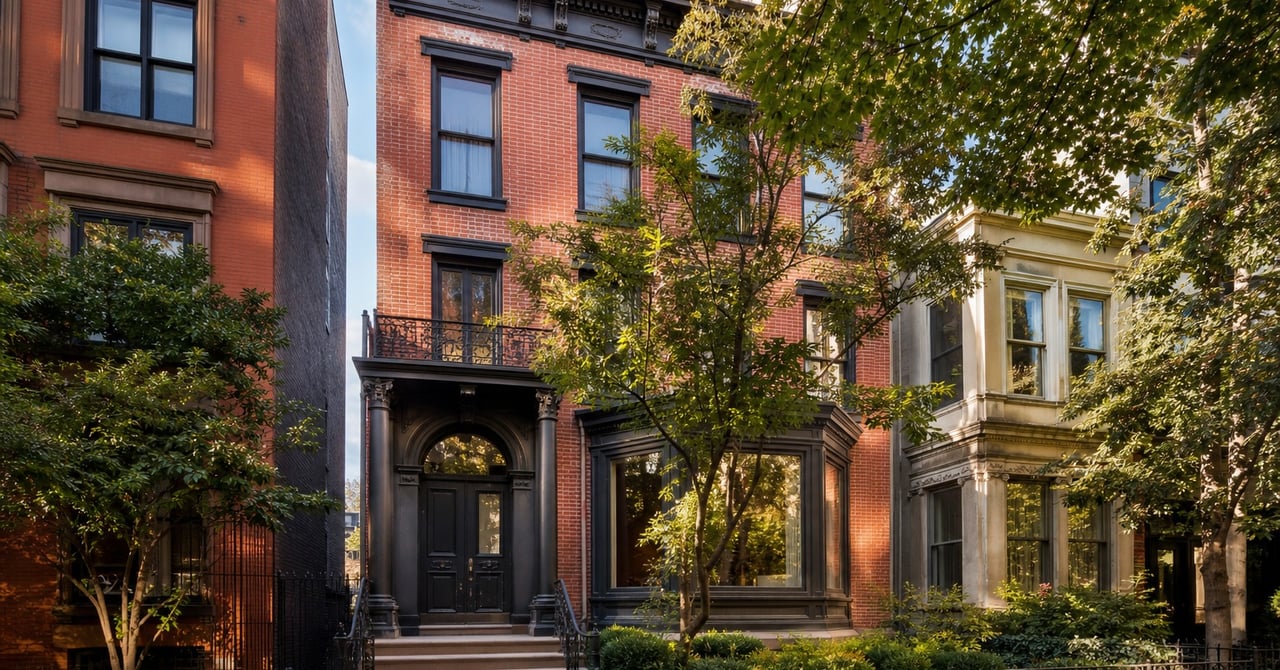
A straight-talk guide for Manhattan sellers on the Upper East Side, Upper West Side, Midtown East, Murray Hill, Kips Bay, and Carnegie Hill — and what to do when your listing goes quiet.
You listed your Manhattan apartment. You had showings — maybe even an open house or two. And then… nothing. No offers. No serious callbacks. Just your listing sitting there while the days on market keep climbing.
If your NYC apartment is not selling, you’re not alone. Whether you’re on the Upper East Side, the Upper West Side, Midtown East, Murray Hill, Kips Bay, or Carnegie Hill, the same core issues tend to stall listings across Manhattan neighborhoods — and most of them are diagnosable and fixable.
After 18+ years selling co-ops and condos across these neighborhoods, I’ve seen the same patterns come up again and again. Here’s how to identify what’s holding your sale back.
1. The Price Is Out of Step with Today’s Market
Pricing is the single most common reason a Manhattan apartment stops generating serious interest — and the hardest one for sellers to accept.
In New York City real estate, an overpriced listing doesn’t just sit quietly. It gets stigmatized. Buyers and their agents notice when an apartment has been on the market for 60, 90, or 120+ days and begin to assume something is wrong — even when the only real issue is the ask. The longer a listing sits, the more negotiating leverage shifts to the buyer.
This dynamic plays out across all of Manhattan’s neighborhoods, but it’s especially pronounced in co-op-heavy markets like the Upper East Side and Upper West Side, where buyers have deep comp data and their agents know the buildings intimately. In Midtown East, Murray Hill, and Kips Bay — where condos are more common and the buyer pool often includes relocating professionals — price sensitivity is equally real, but the reference points differ.
Ask yourself honestly:
• Was your list price based on closed sales comps, or on what you need to net?
• Did your broker anchor the price to active listings (your competition) rather than sold listings (market reality)?
• Has the Manhattan market shifted since you originally listed?
A well-executed NYC real estate pricing strategy starts with closed comps in your specific building and neighborhood — not aspirational comparisons to a different street or a different market cycle.
2. The Listing Presentation Isn’t Converting Online Views to Showings
Most buyers searching for a Manhattan apartment today begin online — on StreetEasy, Compass.com, or Zillow — and they form a first impression within seconds of seeing your photos. If that impression doesn’t land, they move on without ever scheduling a showing.
This is true whether you’re selling a prewar co-op on the Upper East Side, a classic-six on the Upper West Side, a high-floor condo in Midtown East, or a one-bedroom in Murray Hill or Kips Bay. The digital presentation has to work hard at every price point.
Common presentation problems I see on stalled listings:
• Dark or cluttered photography that doesn’t show the space to its advantage
• No floor plan, or a floor plan that’s difficult to read on a phone
• A listing description that lists features without telling a story or speaking to a buyer’s lifestyle
• Personal items, dated furniture, or visible deferred maintenance that signals work ahead
Strong photography, a well-staged apartment, and a compelling description aren’t optional extras in Manhattan — they’re the baseline for competing. A presentation refresh, including a professional reshoot, can often move the needle without requiring a price change.
3. The Co-op Board Process Is Creating Friction with Buyers
The majority of Manhattan’s housing inventory is co-ops — and that’s especially true in the Upper East Side, Upper West Side, and Carnegie Hill, where prewar co-op buildings dominate the landscape. Co-op board approval is a standard part of every sale in these neighborhoods, but some buildings have earned a reputation for being slow, unpredictable, or unusually demanding — and buyers’ attorneys and brokers are well aware of which buildings those are.
If your building has had recent board rejections, a lengthy interview process, or strict financial requirements, that information circulates through the broker community and can quietly discourage offers before they’re submitted.
In condo-heavier neighborhoods like Midtown East, Murray Hill, and Kips Bay, board approval is less of a barrier — but building financials, sublet policies, and flip tax structures still factor into buyer decisions and can create friction if they’re not addressed proactively in the marketing.
The right listing agent gets ahead of this: preparing buyers before they apply, setting accurate timeline expectations, and maintaining clear communication with the managing agent throughout the process.
4. You’re Getting Showings but No Offers
Showings without offers is a different diagnostic than no showings at all — and it usually points to a more specific set of issues.
In co-op buildings on the Upper East Side and Upper West Side, recurring objections often center on maintenance levels, building financials, or board requirements. In Midtown East and Murray Hill condos, buyers may be comparing your unit directly against new inventory at similar price points. In Carnegie Hill and Kips Bay, the buyer pool can be narrower, which means the right buyer may take longer to find — but when pricing or presentation is off, that pool shrinks further.
Common reasons showings don’t convert to offers:
• Buyers like the apartment but not at the current price
• A specific objection is coming up repeatedly — a low floor, a noisy exposure, high monthly maintenance, a small kitchen — that isn’t being addressed in the marketing
• The competition in your building or neighborhood is better positioned at a similar price point
A good listing agent follows up with every showing agent after every visit and reports back honestly. If you’re not getting that feedback, or if the feedback is consistently vague, you’re missing the data you need to make smart adjustments.
5. The Marketing Isn’t Reaching the Right Buyers for Your Neighborhood
Being on StreetEasy is a starting point, not a strategy. A Manhattan apartment that’s sitting needs active outreach — to buyer’s agents who are currently working with qualified clients in your specific neighborhood and price range.
The buyer for a Carnegie Hill co-op is not the same person as the buyer for a Kips Bay condo or a Midtown East high-rise. Each neighborhood draws a distinct buyer profile: families and long-term UES and UWS residents, corporate relocators and young professionals in Midtown East and Murray Hill, and value-focused buyers seeking more space in Kips Bay. Effective marketing identifies who that buyer is and puts your listing in front of them specifically.
I use a combination of broker-to-broker outreach, video content, neighborhood lifestyle guides, and targeted social distribution to reach buyers who are still in the research phase — not just those already searching on aggregators. That top-of-funnel reach is especially valuable for apartments with a specific lifestyle fit.
6. The Timing Is Working Against You
Manhattan has well-defined seasonal patterns. The spring market (March through early June) and fall market (September through mid-November) are when buyer demand peaks and well-priced, well-presented listings move fastest. This holds true across the Upper East Side, Upper West Side, Midtown East, Murray Hill, Kips Bay, and Carnegie Hill — though the intensity and timing can vary slightly by neighborhood and price point.
If your listing went live in late July, August, or around a major holiday, you may have simply launched into a quiet window. That’s not a reason to panic, but it is a reason to approach the next active market period with a deliberate relaunch strategy: fresh photography, updated pricing if warranted, and renewed outreach to the broker community.
So What Do You Do If Your Manhattan Apartment Isn’t Selling?
The answer is not to wait and hope. In NYC real estate, time on market works against sellers. The longer an apartment sits — whether it’s a co-op on the Upper East Side or a condo in Midtown East — the more buyers assume there’s a problem, and the more leverage they expect at the negotiating table.
Here’s where to start:
• Request a pricing review based on current closed comps in your building and neighborhood — not asking prices
• Audit your listing presentation: photography, description, floor plan, and how it renders on a phone
• Collect honest post-showing feedback from every agent who toured
• Assess the competitive landscape — what else is available right now in your neighborhood, and how do you compare on price, condition, and presentation?
• Evaluate whether a strategic price adjustment, a presentation refresh, or a timed relaunch to the next market window makes the most sense
Sometimes the fix is straightforward. Sometimes it requires a harder conversation about price or positioning. Either way, you deserve a clear-eyed assessment — not reassurances that aren’t producing results.
Frequently Asked Questions: Selling an Apartment in NYC
How long does it take to sell a co-op on the Upper East Side or Upper West Side?
Well-priced co-ops in active UES and UWS buildings during the spring or fall market often go into contract within 30–60 days. Listings that sit beyond 90 days are typically dealing with a pricing, presentation, or board-related issue that needs to be addressed directly.
Why is my Midtown East or Murray Hill condo not selling?
In condo-heavy markets like Midtown East and Murray Hill, the buyer pool often includes relocating professionals and investors who are comparison-shopping across multiple buildings and price points. If your unit has been sitting, the most common culprits are price relative to competing inventory, a presentation that isn’t standing out online, or a lack of targeted outreach to buyer’s agents working in those neighborhoods.
Should I reduce the price of my Manhattan apartment?
A price reduction makes sense when your listing has accumulated meaningful days on market without serious offer activity, when post-showing feedback consistently points to price as the objection, and when closed comps support a lower ask. The key is making the adjustment decisively — a meaningful reduction signals to the market that something has changed and can reset buyer interest.
What is the best time of year to sell an apartment in NYC?
Spring (March through early June) and fall (September through mid-November) are Manhattan’s strongest selling seasons across all neighborhoods — UES, UWS, Midtown East, Murray Hill, Kips Bay, and Carnegie Hill included. If you’ve been sitting through a slow period, a timed relaunch to coincide with the next active season, paired with fresh photography and updated pricing if needed, can meaningfully improve your results.
Is Carnegie Hill a good place to sell right now?
Carnegie Hill — the stretch of the Upper East Side between roughly 86th and 98th Streets — has a loyal buyer base drawn to its prewar architecture, proximity to Central Park, and quieter residential character. It’s a neighborhood where the right buyer can be more specific, which means pricing accuracy and targeted marketing matter even more than in higher-volume markets. A well-positioned Carnegie Hill co-op with strong presentation will find its buyer — but it requires the right strategy.
Which of These Is Holding Your Listing Back?
Every stalled listing has a story. Sometimes it’s one thing. Sometimes it’s a combination of two or three factors working against each other.
If any of this sounds familiar — or you have questions about your specific situation — reach out to me directly. I’m happy to take a look and give you a candid, no-obligation read on what’s going on and what I’d do differently.
There’s no cost to have that conversation, and it could save you months of market time.
Is Your Apartment Not Selling? Let’s Figure Out Why.
If your listing is stalled — or you’re preparing to sell in the Upper East Side, Upper West Side, Midtown East, Murray Hill, Kips Bay, or Carnegie Hill and want to get the strategy right from the start — I’m happy to take a look and give you an honest read on what’s working, what isn’t, and what I’d do differently.
No pressure, no pitch. Just a real conversation with someone who knows these neighborhoods.
💬Is your apartment not selling — or do you have questions about your next move? Please feel free to call, text or message me. I’d love to help you figure out your next move.
➡ Email me at [email protected]
➡ Or visit heathersellsnyc.com to schedule a free strategy call
Heather Cooper | Licensed Associate Real Estate Broker, Compass
Certified Negotiation Expert (CNE) | 18+ Years in Manhattan