If you want Manhattan convenience without the daily cost and hassle of owning a car, Midtown East deserves a serious look. For many buyers, the real question is not whether a car is useful sometimes, but whether your neighborhood makes it easy to live well without one. In Midtown East, the mix of transit, walkability, and everyday services can make car-free living feel practical, not limiting. Let’s dive in.
Why Midtown East Supports Car-Free Living
Midtown East works well without a car because so much is packed into a relatively compact area. The Grand Central Partnership says its district covers about 70 blocks, from 35th to 54th Streets and from Second to Fifth Avenues, with roughly 73 million square feet of commercial, residential, and retail space.
That kind of density matters in daily life. It means errands, commuting, dining, and basic services are often close together, which can reduce the need for a private vehicle. For buyers who care about convenience, Midtown East offers a lifestyle built around access.
The public realm also plays a role. NYC DOT’s completed Pershing Square Plaza project added seating, tables, plants, trees, and a raised dining patio near Grand Central, helping the area feel more pedestrian-friendly. The city also describes the plaza as home to a large bike-share docking station, which adds another layer of mobility.
Grand Central Is the Transit Anchor
One of Midtown East’s biggest advantages is Grand Central-42 Street. The MTA lists the station as serving the 4, 5, 6, 7, and S trains, giving you multiple subway lines in one core location.
That matters because you are not relying on a single route to get around. If one line is not your best option, you often have another nearby. In a car-free lifestyle, that kind of flexibility can make everyday travel smoother.
Accessibility is part of the picture too. The MTA includes Grand Central-42 Street on its accessible key stations list, and the nearby 51 Street station is also listed as accessible. For many buyers, that can be an important practical consideration when comparing neighborhoods.
Regional Access Without a Car
Midtown East is not just about local subway service. Grand Central remains the Metro-North terminal, and Grand Central Madison adds direct Long Island Rail Road access on the east side.
According to the MTA, Grand Central Madison resumed full LIRR service on June 10, 2025, and the terminal has been in full service since February 27, 2023. If your routine includes trips to Long Island or the northern suburbs, Midtown East can simplify that commute without requiring a car at home.
Buses Fill the Short Gaps
Even in a transit-rich neighborhood, buses still matter. MTA maps show Midtown East is served by routes including the M15 SBS, M31, M42, M57, M101, M102, and M103.
In real life, that can help with crosstown trips, short errands, or days when the subway is not the most direct choice. A successful car-free neighborhood is not just about one major station. It is about having several ways to move through the city depending on where you need to go.
Citi Bike Makes Short Trips Easier
For short hops, Citi Bike adds another practical option. Stations near Grand Central include Pershing Square North, Pershing Square South, East 41st Street and Madison Avenue, and East 47th Street and Park Avenue.
Citi Bike says the system operates 24 hours a day, 7 days a week, 365 days a year, and bikes can be returned to any station in the network. That can be useful for quick trips, off-peak errands, or getting across a few avenues faster than walking.
There is one key limitation to keep in mind. Citi Bike says its bikes cannot be taken on buses, trains, or ferries, so it works best as a first-mile or last-mile tool rather than part of a combined rail trip.
Daily Life Is Built Around Convenience
Car-free living works best when everyday needs fit naturally into your routine. In Midtown East, Grand Central Terminal helps with that because it is more than a transit hub.
Its official shop-and-dine information lists retail, services, market vendors, and dining options, including Grand Central Market, Bank of America ATMs, the Apple Store, cafes, and restaurants. The terminal is open to the public daily from 5:15 AM to 2:00 AM, though individual vendor hours vary.
That means some errands can happen on your way to or from the train. For busy buyers, that kind of built-in convenience can save real time during the week.
The broader neighborhood also supports that self-contained feel. The Grand Central Partnership says the district includes landmarks, attractions, restaurants, and retail stores, along with supplemental public services that help keep the area clean, active, and well maintained.
What Buyers Should Consider
If you are thinking about buying in Midtown East, it helps to view the neighborhood through a lifestyle lens. This is often a strong fit for buyers who value commute access, easy errands, and the ability to move around the city without planning life around parking or driving.
That does not mean every building or block will feel the same. Your day-to-day experience may depend on how close you want to be to Grand Central, subway access, bus routes, and bike stations. A practical home search here should focus on how you actually live.
Think About Your Weekly Routine
Before you buy, map out the places you go most often. That might include your office, gym, grocery stops, train connections, or places you visit on weekends.
In Midtown East, small differences in location can change your routine in meaningful ways. A few blocks closer to Grand Central or a major bus route may matter more than having extra car-related features you do not plan to use.
Consider Building Era and Layout
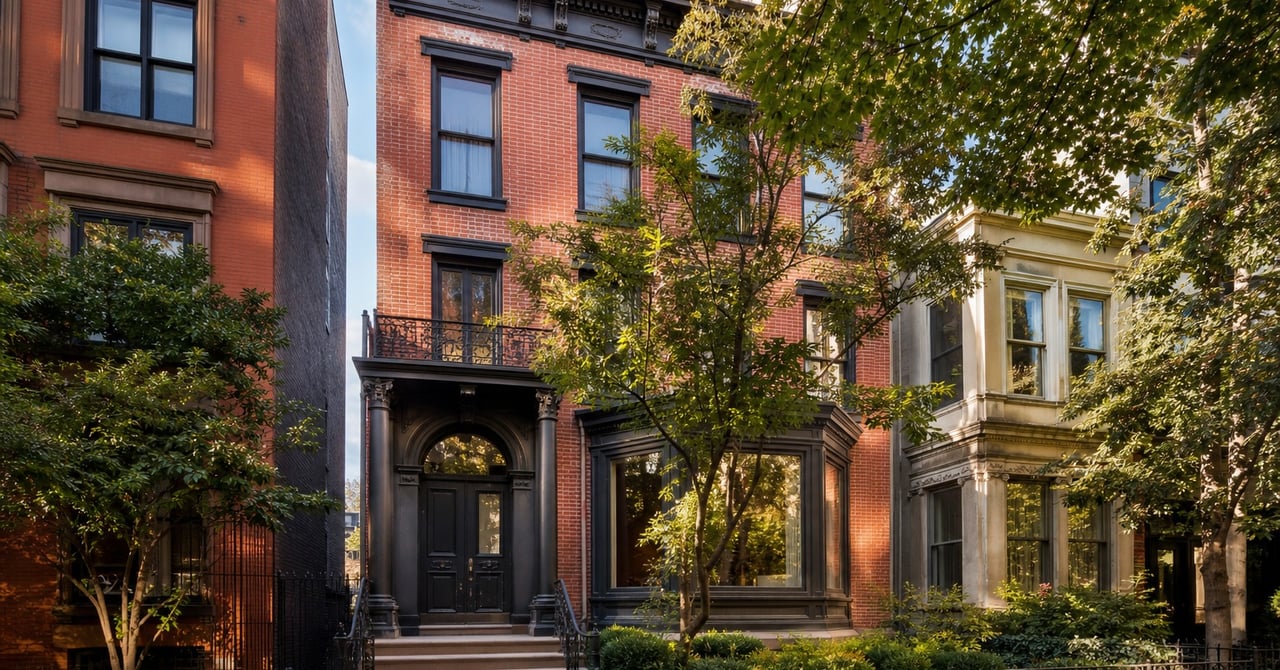
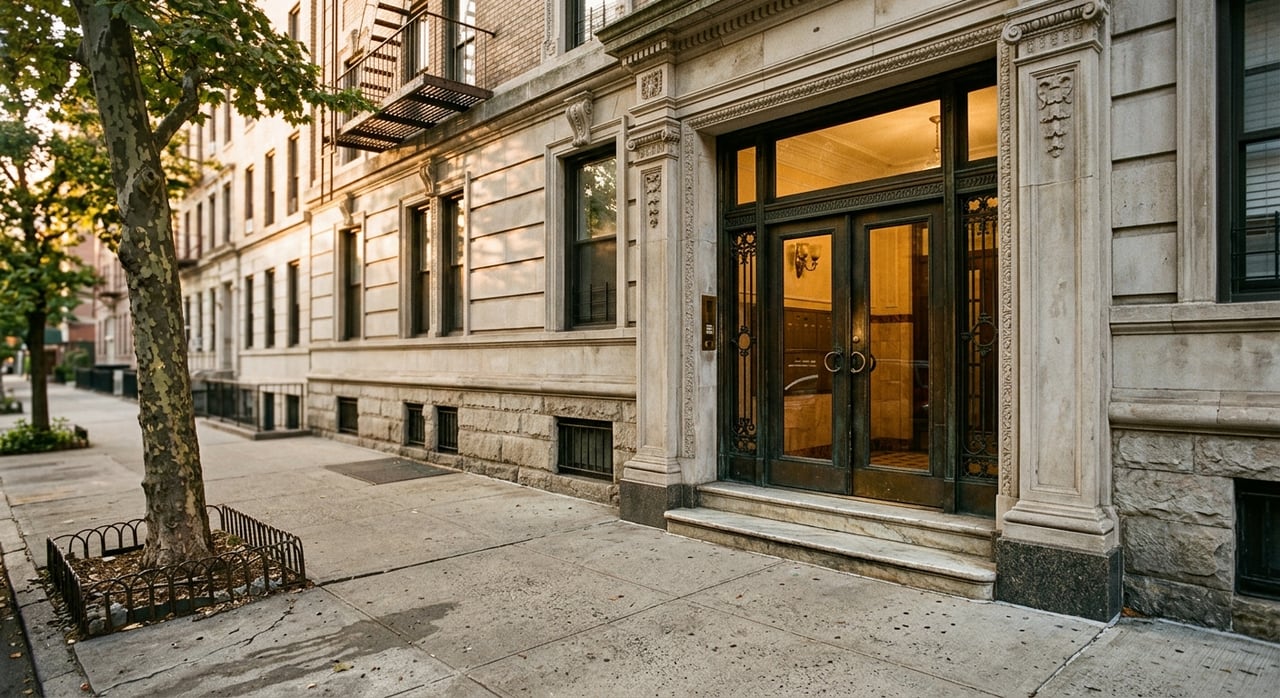
NYC Finance rolling sales records for Midtown East show condo and co-op transactions in buildings dating to 1931, 1958, 1960, 1964, 2008, and 2017. That range suggests the neighborhood offers a mix of prewar, midcentury, and newer housing stock rather than one dominant building type.
For buyers, that creates useful tradeoffs to consider. You may find classic layouts and older building character in one property, or newer-construction convenience in another. In a neighborhood like Midtown East, the right choice often comes down to how you balance apartment style with location and transit access.
Midtown East Rewards Location-First Buyers
In many Manhattan neighborhoods, the apartment itself is only part of the equation. Midtown East is a good example of how location can shape quality of life just as much as square footage or finishes.
If you plan to live car-free, proximity to trains, buses, bike-share, and daily services may have a direct impact on how easy your week feels. Midtown East tends to reward buyers who prioritize that kind of convenience from the start.
This is also where a thoughtful buying strategy matters. Whether you are comparing co-ops and condos, evaluating older versus newer buildings, or trying to narrow down the best pocket of the neighborhood for your routine, clear guidance can help you focus on what actually fits.
If you are exploring Midtown East and want help weighing transit access, building type, and day-to-day convenience, Heather Cooper can help you find a Manhattan home that matches how you really live.
FAQs
Is Midtown East a good neighborhood for car-free living in Manhattan?
- Yes. Midtown East has strong transit access through Grand Central-42 Street, nearby bus routes, Citi Bike stations, and a dense mix of residential, retail, and service uses that support daily life without a car.
What subway lines serve Midtown East near Grand Central?
- The MTA lists Grand Central-42 Street as serving the 4, 5, 6, 7, and S trains.
Does Midtown East offer commuter rail access without a car?
- Yes. Grand Central remains the Metro-North terminal, and Grand Central Madison provides Long Island Rail Road service on the east side.
Is Citi Bike useful for Midtown East residents?
- Yes. Citi Bike can be a practical option for short trips and errands, with stations near Grand Central and 24/7 availability across the system.
What kind of homes can you find in Midtown East?
- Midtown East includes both co-ops and condos across a range of building eras, including prewar, midcentury, and newer properties based on recent NYC Finance rolling sales records.