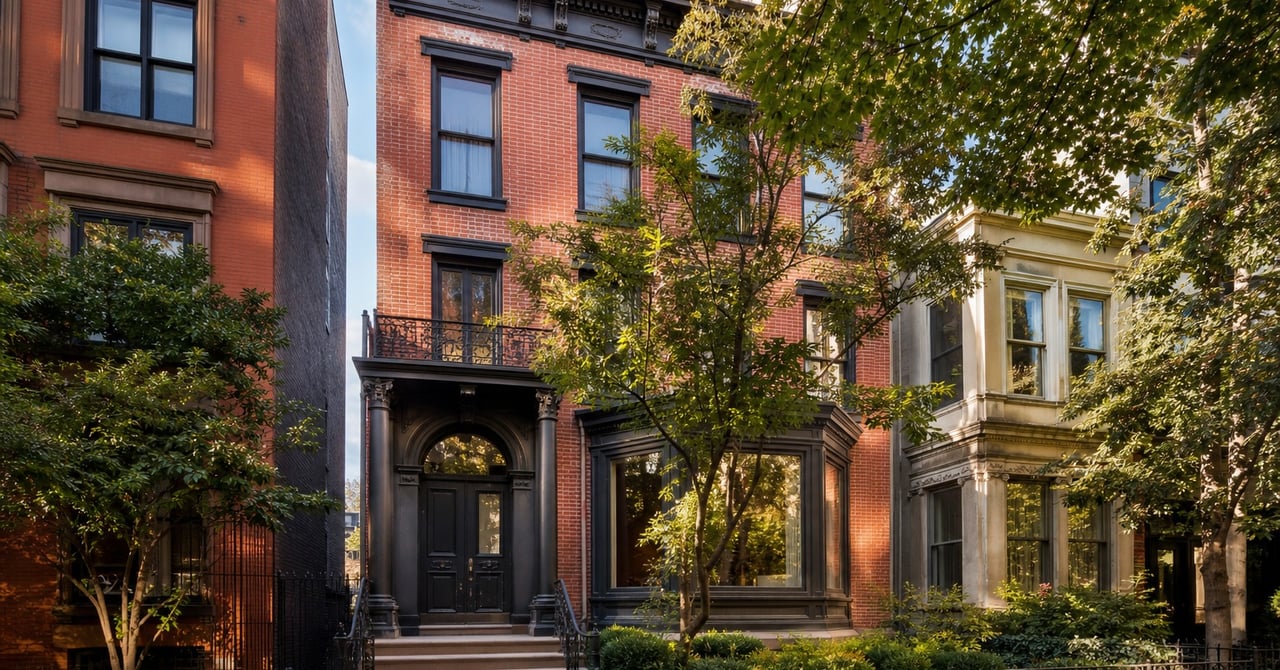
Deciding whether to renovate before selling your Manhattan co-op or condo isn't a one-size-fits-all answer — it depends heavily on your neighborhood, your building's buyer pool, and what recent comps in your line actually support. Here's how the calculation changes across Manhattan's Upper East Side, Upper West Side, Midtown East, Murray Hill, and Kips Bay markets.
Why the "Renovate or Sell As-Is" Answer Changes by Neighborhood
The same kitchen renovation that pays for itself in one Manhattan zip code can be a wash — or a loss — three neighborhoods away. Buyer expectations, building stock (prewar vs. postwar), and typical price per square foot all shift block to block. Before you call a contractor, start with the data for your specific submarket.
Upper East Side: Prewar Character Often Outsells Renovation
Much of the Upper East Side co-op inventory is prewar, and UES buyers frequently pay a premium for original details — herringbone floors, moldings, high ceilings — rather than a gut-renovated interior. A full kitchen or bathroom renovation here can actually work against you if it strips out the prewar character buyers are searching for. Cosmetic refreshes (paint, refinished original floors, updated lighting) tend to outperform major renovations on the UES.
Upper West Side: Family Buyers Reward Move-In-Ready Kitchens
UWS buyers, especially families searching in prewar co-ops and classic six layouts, tend to favor move-in-ready kitchens and bathrooms more than UES buyers do. If your kitchen is genuinely dated — original 1980s cabinetry, for example — a moderate refresh can move the needle here more than it would elsewhere. That said, full guts still rarely return dollar-for-dollar in this market.
Midtown East: Condo Buyers Expect Turnkey Finishes
Midtown East skews more condo-heavy and attracts a buyer pool — often relocation buyers, executives, and investors — that expects turnkey finishes. In this submarket, dated kitchens and bathrooms are more likely to actually suppress your sale price relative to comps, because the buyer pool here is less inclined to take on a renovation project themselves.
Murray Hill: Investor and Renovator Buyer Pool Favors As-Is
Murray Hill's buyer pool includes a meaningful share of investors and buyers looking for a project at a discount. In this submarket, selling as-is with accurate pricing frequently outperforms a rushed pre-sale renovation, since your target buyer may prefer to design the space themselves rather than pay a premium for someone else's choices.
Kips Bay: Smaller, Efficient Renovations Perform Best
Kips Bay tends to reward smaller, efficient updates — refreshed bathrooms, updated lighting, and paint — over large-scale renovations. Given the mix of co-op and condo stock and generally moderate price points in this submarket, big-ticket renovations are less likely to be fully recouped at closing.
The Renovations With the Best Return, Regardless of Neighborhood
A few updates consistently perform well across every Manhattan submarket:
- Fresh paint throughout — the highest ROI move in nearly every price range
- Refinishing original hardwood floors instead of replacing them
- Updated lighting fixtures — dated fixtures read as an outdated apartment even when everything else is in good shape
- Deep cleaning and decluttering — outperforms most actual renovations relative to cost
- Cosmetic kitchen refreshes — new hardware, painted cabinets, updated backsplash — rather than a full gut
The Renovations That Rarely Pay Off Before a Sale
- Full kitchen or bathroom gut renovations — buyers rarely pay dollar-for-dollar for someone else's design choices
- Combining rooms or changing layouts — can shrink your buyer pool by changing the bedroom count
- High-end finishes (Calacatta marble, custom millwork) — beautiful, but often not fully recouped at most Manhattan price points
- Anything requiring a long co-op board alteration approval — delaying your listing by four to six months can cost more in carrying costs and missed market timing than the renovation itself gains
The Co-op Alteration Timeline Factor
If you're in a co-op anywhere in the Upper East Side, Upper West Side, or Midtown East, factor in your building's alteration agreement timeline before committing to any structural work. A renovation that pushes your listing into the wrong season can cost you more than the renovation itself would ever return. Check your proprietary lease and talk to the managing agent before scheduling contractors.
The Bottom Line
Whether renovating before you sell makes sense comes down to three questions specific to your building and submarket: What do the recent comps in your line actually support? What's your realistic timeline? And does your building's board approval process work with that timeline?
Not Sure Which Camp Your Apartment Falls Into?
Every building — and every line within it — has its own answer to this question, and guessing wrong can cost you tens of thousands of dollars or months of missed market timing. Before you pick up a paintbrush or call a contractor, let's find out what your specific apartment actually needs.
Reach out for a free, no-pressure walkthrough. I'll pull the recent comps for your exact line, tell you honestly whether renovating would move your sale price, and flag anything in your building's alteration policy that could affect your timeline — all before you spend a dollar on renovations.
📩 heathersellsnyc.com | Let's figure out your smartest path to sale.