A straight-talk guide for Manhattan buyers on what to expect, what boards ask, and how to walk in ready.
If you're buying a co-op in Manhattan, the board interview is usually the last real hurdle standing between you and the keys. For most buyers — especially anyone new to New York — it's also the most nerve-wracking part of the entire process. You've negotiated the price, gotten through attorney review, assembled a stack of paperwork thicker than your lease, and now you're being asked to sit in someone's living room and answer questions about your finances, your lifestyle, and sometimes your taste in home renovations.
After 18+ years selling co-ops across the Upper East Side, Upper West Side, and Midtown East, I've prepped dozens of buyers for this exact meeting. The good news: board interviews are rarely the ambush people imagine. They're largely procedural — but only if you know what to expect and show up prepared. Here's what actually happens.
The Interview Comes After the Package Is Already Approved (Mostly)
This is the part that surprises people most: by the time you're invited to interview, the board's managing agent and board members have already reviewed your entire financial package — tax returns, bank statements, reference letters, employment verification, and the notarized board application itself. If there were a disqualifying red flag in your financials, you likely wouldn't be sitting across from them at all.
That doesn't mean the interview is a rubber stamp. It means the interview is less about re-litigating your numbers and more about the board deciding whether they want you as a neighbor. Boards are, functionally, screening for financial stability and fit within the building — not auditing your P&L line by line.
Who's in the Room
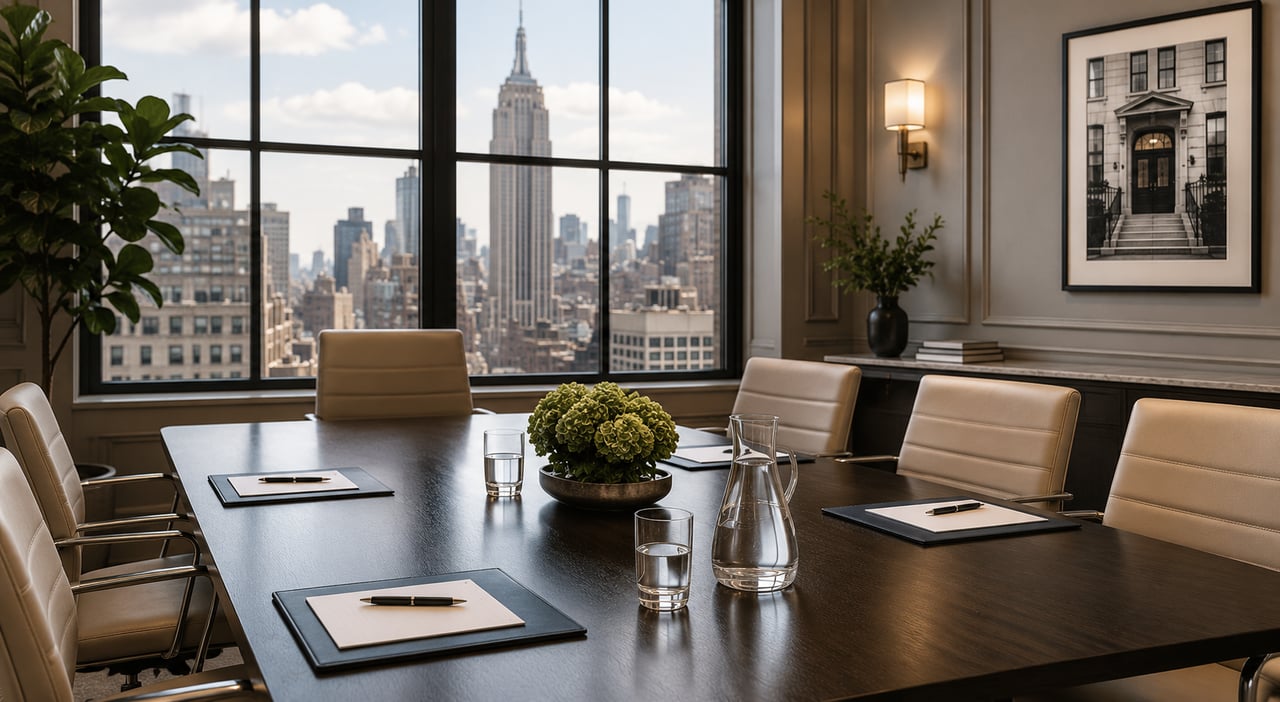
Interviews typically take place in a board member's apartment or the building's common room, and usually involve three to seven board members. Your agent is generally not permitted inside — this is one of the few moments in the transaction where you're representing yourself directly. It typically lasts 20 to 45 minutes, though it can run shorter or longer depending on the building.
Some boards ask both spouses or co-purchasers to attend; some only require the primary applicant. Your listing or buyer's agent should confirm this with the managing agent ahead of time so there are no surprises at the door.
The Questions You Should Actually Expect
Board interviews follow a fairly predictable arc. Expect questions like:
- Why are you interested in this building and this apartment?
- What do you do for work, and how long have you been in your role?
- Do you plan to renovate, and if so, what kind of work?
- How do you plan to use the apartment — primary residence, pied-à-terre, occasional use?
- Do you have pets, and if the building has pet policies, are you aware of them?
- Do you understand the building's subletting policy, and do you intend to ever rent it out?
- Are you aware of the monthly maintenance and any pending assessments?
None of this should feel like a pop quiz if you've read your board package and disclosure documents closely beforehand. The honest answer is almost always the right one — boards are far more wary of buyers who seem evasive than buyers who are simply not a perfect fit.
What Boards Are Legally Allowed — and Not Allowed — to Ask
Co-op boards have wide discretion to reject an applicant without stating a reason, which is part of what makes the process feel opaque. What they cannot legally do is discriminate based on protected classes under the Fair Housing Act and New York State and City human rights laws — race, religion, national origin, sex, disability, familial status, sexual orientation, gender identity, and several other protected categories. A well-run board sticks to financial fitness, building fit, and lifestyle compatibility, not personal background.
If a question ever crosses into territory that feels inappropriate, you're not obligated to answer it the way it's framed — and it's worth flagging to your attorney or agent afterward regardless of outcome.
How Building Process and Documentation Standards Shape the Tone
The tone of the interview often tracks the operational style of the board, which varies more across Manhattan's co-op-heavy neighborhoods than most buyers expect.
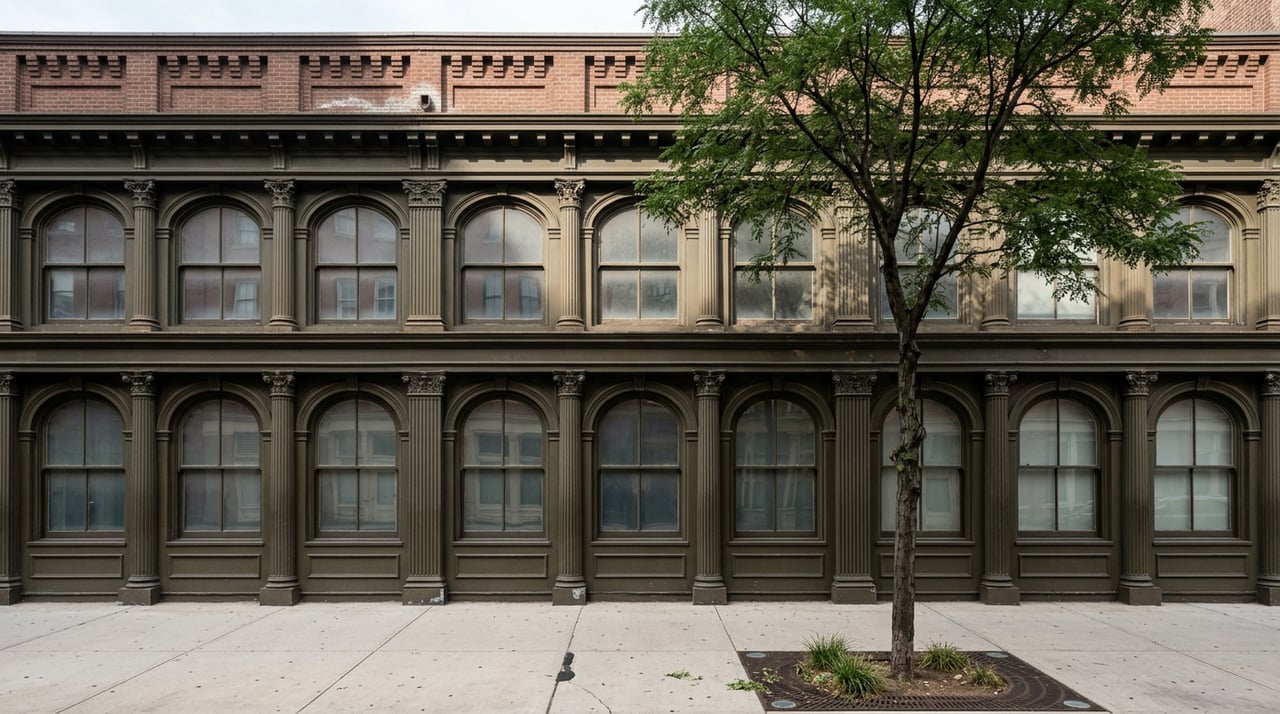
Upper East Side prewar co-ops, particularly along Park and Fifth Avenue, tend to run the most formal interviews — often black-tie in tone even when the dress code is business casual. Boards here are accustomed to reviewing substantial liquidity and are precise about post-closing reserve requirements.
Upper West Side boards are generally warmer in delivery but no less thorough, with a strong emphasis on a complete, well-organized financial package.
Midtown East and Murray Hill co-ops tend to move faster and focus heavily on financial stability, often with tighter turnaround expectations on documentation.
Kips Bay boards, in my experience, are typically the most relaxed of the five, though "relaxed" still means they expect a clean package and a straightforward answer to every question.
None of this is a hard rule — every building has its own board culture — but knowing the general tenor of the neighborhood helps you calibrate how formally to prepare.
How to Actually Prepare
- Know your own package cold. Be ready to speak fluently about your income, your assets, and how you calculated your post-closing liquidity — even though the board already has these numbers in writing.
- Have a clear, honest answer for why this apartment. Boards can tell the difference between a genuine answer and a rehearsed one.
- Dress the way you'd dress to meet your new neighbors for the first time — because that's essentially what's happening. Business casual is almost always the right call.
- Arrive five to ten minutes early, not more. Boards often run several interviews back-to-back and don't want you loitering in the lobby.
- Don't bring your agent's talking points into the room. Speak in your own voice. Boards notice canned answers immediately.
- If you don't know something, say so plainly rather than guessing. "I'd want to confirm that with my accountant" is a completely acceptable answer.
What Happens After the Interview
Most boards render a decision within a few days to two weeks after the interview, communicated through the managing agent to your attorney — not to you directly, and rarely with detailed reasoning if the answer is no. If approved, you'll move to scheduling the closing. If the board hasn't responded within the timeframe your contract anticipates, your attorney should be following up — this is a normal part of the process, not a sign of trouble.
Approval rates for buyers who make it to the interview stage are high. Boards have already screened out most disqualifying issues before you're ever invited into the room — the interview exists to confirm what's already on paper, not to catch you off guard.
Frequently Asked Questions
Can a co-op board reject a buyer without giving a reason? Yes. Under New York law, co-op boards generally have broad discretion to reject a purchase application without disclosing a reason, provided the rejection isn't based on a legally protected characteristic like race, religion, or familial status.
How long does the co-op board approval process take from application to interview? Typically four to eight weeks from submitting a complete package to receiving an interview date, though this varies significantly by building and time of year.
What should I bring to a co-op board interview? Generally nothing beyond yourself — the board already has your full financial package. Some buyers bring a folder of reference letters or additional documentation as a courtesy, but it's rarely necessary.
Is it normal to be nervous, and does it hurt my chances? It's completely normal, and boards understand that. What matters far more than polish is honesty and clarity in your answers.
Can my agent attend the interview with me? No. Almost all Manhattan co-op boards require the interview to be attorney- and agent-free, with only the applicant(s) present.
What if the board asks about my renovation plans and I haven't decided yet? Say exactly that. Boards ask this to gauge disruption to the building, not to hold you to a binding plan.
Walking In Prepared
The co-op board interview feels bigger than it is because so much of the process leading up to it is opaque by design. But if your package is clean, your answers are honest, and you understand the culture of the building you're applying to, the interview is typically the final formality — not the final obstacle.
If you're preparing for a board interview anywhere on the Upper East Side, Upper West Side, Midtown East, Murray Hill, or Kips Bay, I walk every client through a full mock interview and package review before the real thing. Reach out and let's make sure you go in ready.