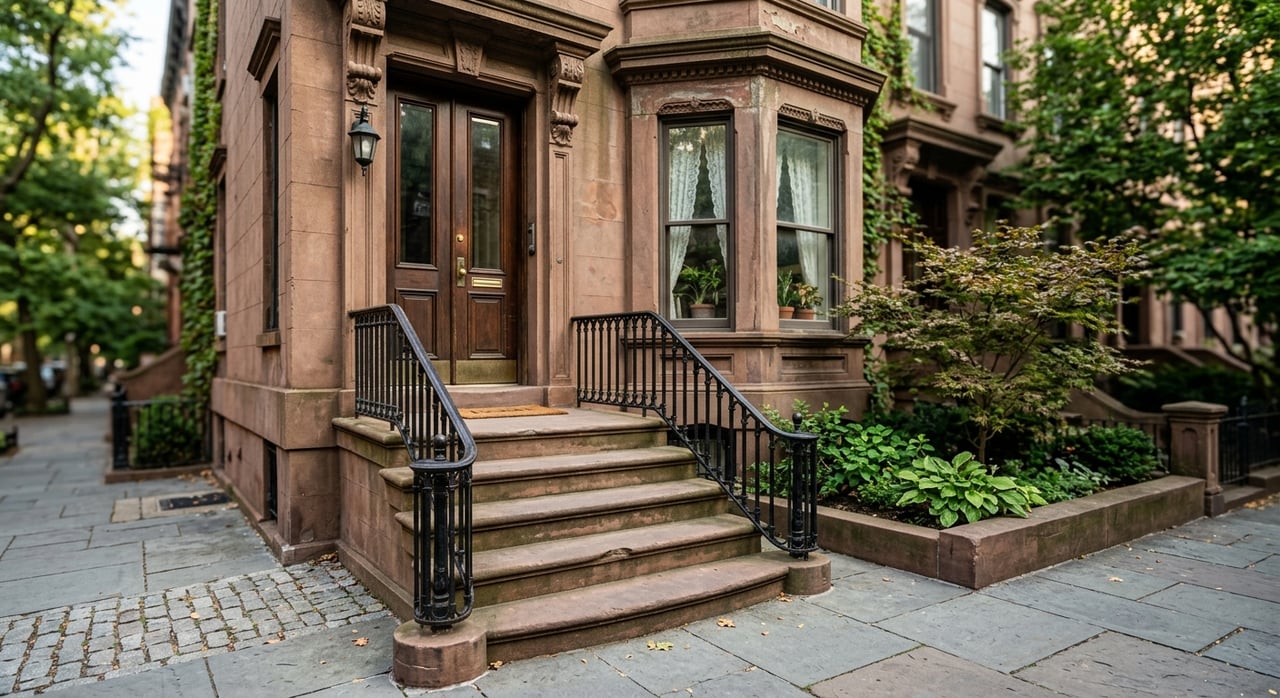
Trying to choose between a Park Slope brownstone and a condo? You are not alone. In this part of Brooklyn, the decision can feel tricky because both options can offer charm, privacy, outdoor space, and strong long-term appeal. The key is understanding how ownership structure affects your costs, responsibilities, and daily life. Let’s break it down.
Why this choice is different in Park Slope
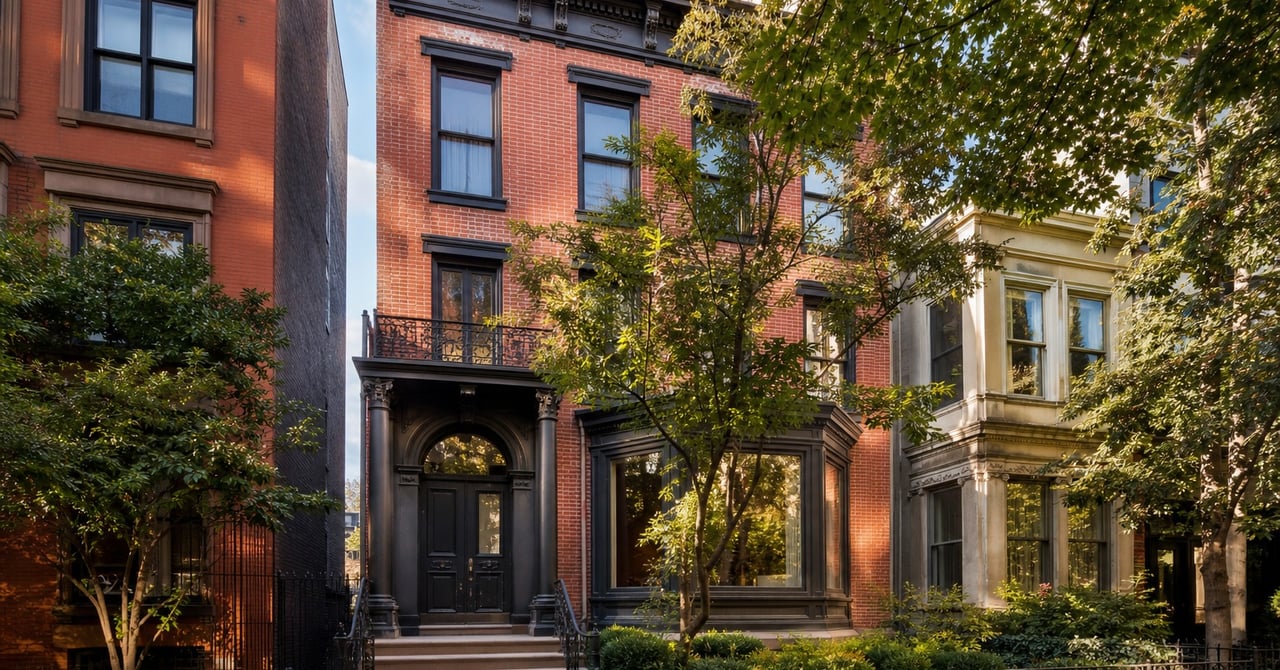
Park Slope is known for its historic rowhouses, and the neighborhood’s streetscape is a major part of its identity. New York City planning and Landmarks Preservation Commission materials describe the area as predominantly residential, with late-19th- and early-20th-century rowhouses as the main housing type.
That matters because in Park Slope, a “brownstone” does not always mean the same thing. It may be a full townhouse owned by one household, or it may be a converted rowhouse with multiple condo units inside. So when you compare a brownstone to a condo here, you are often comparing whole-house ownership versus shared-building ownership.
Start with ownership structure
Before you focus on finishes or curb appeal, look at how the home is owned and managed. That one detail often tells you the most about what your experience will be like after closing.
A whole brownstone or townhouse gives you direct control over the building. You are not paying common charges to a condo board, but you are also fully responsible for repairs, maintenance, and long-term planning.
A condo spreads some of that responsibility across the building. You own your unit, but the condo board manages shared parts of the property according to the declaration, by-laws, and house rules. In exchange, you pay monthly common charges based on your share of the building.
Brownstone living in Park Slope
For many buyers, the draw of a brownstone is simple. You get a more house-like lifestyle, more privacy, and a stronger sense of control over your home.
Park Slope rowhouses have long appealed to buyers who want some of the benefits of a single-family home. That can mean fewer shared walls, more interior space, and more freedom in how you use the building day to day.
That said, ownership comes with real responsibility. If something major goes wrong, there is no building management team stepping in to absorb the cost or coordinate the work.
What a brownstone may offer
- More privacy
- A house-like layout
- Greater control over the building
- Classic Park Slope architecture
- Potential for private outdoor space
What to plan for
According to the New York Attorney General, some of the most expensive issues in existing buildings involve:
- Facade defects
- Roof work
- Plumbing upgrades
- Electrical upgrades
- Boiler replacements
If you own the whole building, those items become your responsibility. That does not mean a brownstone is the wrong choice. It means you should budget for repair swings and go in with a clear picture of the building’s condition.
Condo living in Park Slope
A condo can be a better fit if you want simpler monthly planning and less hands-on building management. You still need to do your homework, but the day-to-day ownership experience is often more predictable.
In a condo, the building handles shared systems and common areas. Your monthly common charges help cover those costs. That structure can reduce the burden of managing every roof, facade, or mechanical issue on your own.
Condos may also offer features that are less common in brownstones. In Park Slope, some condo listings include amenities like doorman service, a gym, a business center, or a roof deck.
What to review before buying a condo
The New York Attorney General advises buyers to read key building documents carefully, including:
- The offering plan
- Board minutes
- Financial reports
- The declaration, by-laws, and house rules
These materials can reveal building defects, upcoming repair costs, or governance issues before they become your problem. In Park Slope, that step matters just as much as evaluating the apartment itself.
Monthly costs are not always what they seem
A brownstone may not have common charges, but that does not automatically make it cheaper to carry. A condo may have a monthly fee, but that can sometimes make budgeting easier because building costs are shared and planned.
Property taxes add another layer. In New York City, tax class depends on the property type, not just whether it looks like a brownstone from the street.
NYC says Class 1 includes one- to three-unit properties and most condos in buildings of no more than three stories. Class 2 includes most other condos and co-ops. Class 1 assessments are capped at 6 percent per year and 20 percent over five years, while Class 2 properties are valued differently and use a 20 percent annual phase-in on transitional assessed value.
The practical takeaway is this: two homes on similar blocks can have very different carrying costs. A whole townhouse, a small condo conversion, and a larger condo building may all be taxed differently, so you want to compare the full monthly picture before deciding.
Outdoor space is not just a brownstone perk
Many buyers assume a brownstone is the only path to private outdoor space in Park Slope. That is not always true.
Some Park Slope condos, including duplex and townhouse-style layouts, offer private or exclusive-use outdoor areas such as backyards, gardens, terraces, or roof decks. Brownstones can also offer gardens and roof access, but you should never assume the outdoor space is fully private without confirming how it is designated.
When you compare properties, ask whether the space is:
- Private
- Exclusive-use
- Shared
That detail can make a big difference in how the home actually lives.
Historic district rules matter for both
In Park Slope, historic district status can affect your renovation plans whether you buy a whole brownstone or a condo inside a historic rowhouse.
The Landmarks Preservation Commission review rules follow the building, not the ownership label. In the historic district, most exterior changes to the front and rear facades require LPC review. Ordinary repairs such as replacing broken window glass or repainting to match the existing color typically do not.
This is important if you want to change windows, alter the facade, or take on exterior work. A brownstone may offer more autonomy overall, but it does not mean unlimited renovation freedom.
Resale depends on different factors
Both property types can hold strong appeal in Park Slope, but buyers tend to evaluate them differently.
For a brownstone, resale is often tied to scarcity, architectural appeal, and building condition. Park Slope’s historic streetscape supports long-term demand, but deferred maintenance can weigh heavily on value because major repairs can be expensive.
For a condo, resale is more connected to the health of the building and how it is run. Buyers often look closely at monthly charges, reserve strength, repair history, and the board’s overall management.
In other words, a brownstone buyer is often buying into the building itself. A condo buyer is buying both the unit and the broader building operation.
The townhouse-style condo middle ground
If you love the feel of a brownstone but want some condo convenience, Park Slope has a useful middle option. A townhouse-style condo can offer a house-like layout, private outdoor space, and a lower-maintenance ownership structure than a full townhouse.
This is one reason the brownstone-versus-condo question in Park Slope is not always an either-or decision. In some cases, the best fit is something in between.
How to decide what fits your life
The best choice comes down to how you want to live, what you want to spend each month, and how much responsibility you want to take on.
A brownstone or townhouse may be a better fit if you want more autonomy, more privacy, and the classic Park Slope rowhouse experience. You should also be comfortable with larger repair costs and landmark-related exterior review.
A condo may be a better fit if you want more predictable monthly expenses, less direct maintenance responsibility, and access to shared amenities or newer building systems.
If you are unsure, compare each option through the same lens:
- Total monthly carrying cost
- Responsibility for repairs
- Outdoor space type
- Renovation flexibility
- Privacy level
- Resale considerations
When you look past style alone, the decision usually becomes clearer.
Park Slope offers great options on both sides of this comparison, but the right one depends on your priorities, not just the facade. If you want help comparing a brownstone, condo, or townhouse-style condo in Park Slope, Heather Cooper can help you weigh the numbers, the tradeoffs, and the long-term fit with a clear local perspective.
FAQs
What is the main difference between a Park Slope brownstone and a Park Slope condo?
- In Park Slope, the biggest difference is usually ownership structure. A whole brownstone means you control and maintain the building yourself, while a condo means you own your unit and share building responsibilities through common charges and board governance.
Are Park Slope brownstones always more expensive than Park Slope condos?
- Not always, but recent examples show a wide price spread. Condo listings in Park Slope have ranged from $775,000 for a one-bedroom to over $1.3 million for a townhouse-style condo, while a rare townhouse listing was $3.5 million.
Do Park Slope condos ever have private outdoor space?
- Yes. Some Park Slope condos offer private or exclusive-use outdoor space, including backyards, gardens, terraces, and roof decks. You should confirm whether the space is private, exclusive-use, or shared.
Do historic district rules affect Park Slope condos and brownstones alike?
- Yes. In Park Slope’s historic district, Landmarks Preservation Commission review applies based on the building, not whether you own a condo or a whole townhouse. Most exterior changes to front and rear facades require review.
What building documents should you review before buying a Park Slope condo?
- You should review the offering plan, board minutes, financial reports, and the condo’s declaration, by-laws, and house rules to better understand the building’s condition, finances, and governance.
How do property taxes differ for Park Slope brownstones and condos?
- In New York City, taxes depend on tax class rather than appearance alone. One- to three-unit properties and some small condos may fall into Class 1, while most other condos are in Class 2, which can lead to very different carrying costs.