Selling a SoHo loft is rarely about listing it high and hoping the right buyer appears. In this market, buyers are sophisticated, inventory turns slowly, and your competition may include both classic boutique loft resales and polished new development nearby. If you want a strong result, you need a pricing and positioning strategy that reflects how SoHo buyers actually shop. Let’s dive in.
Why SoHo pricing is its own category
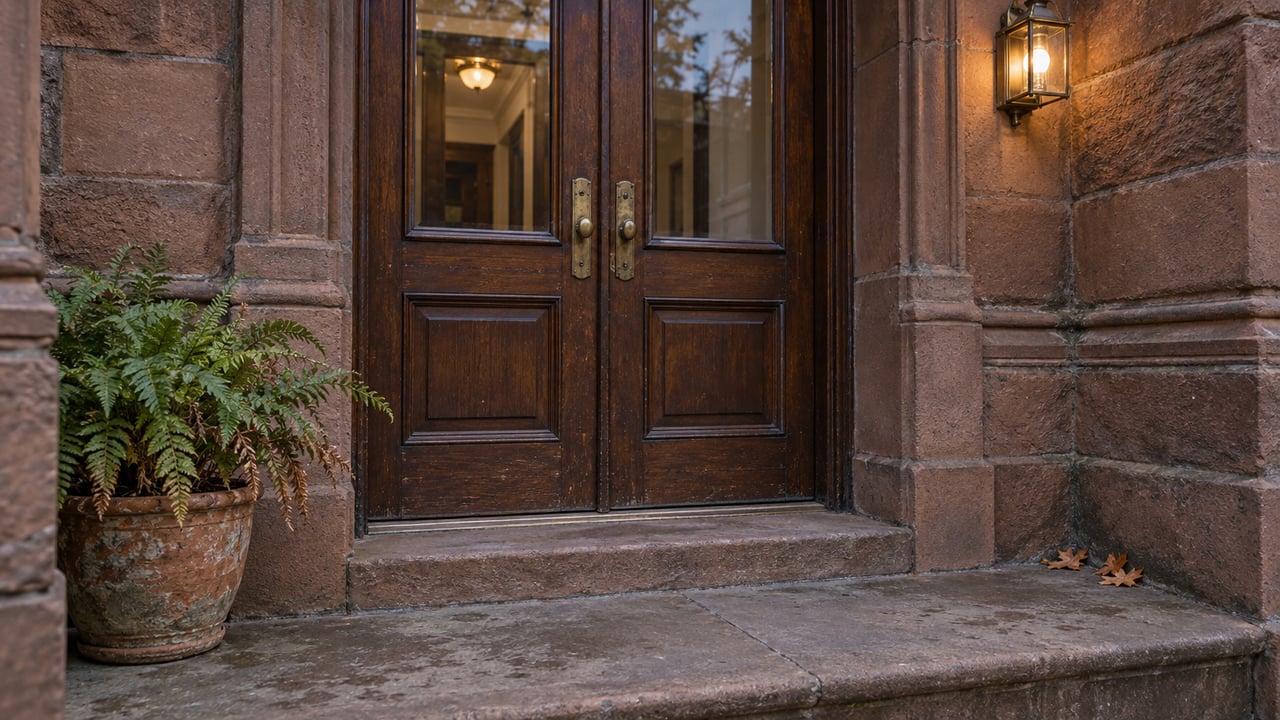
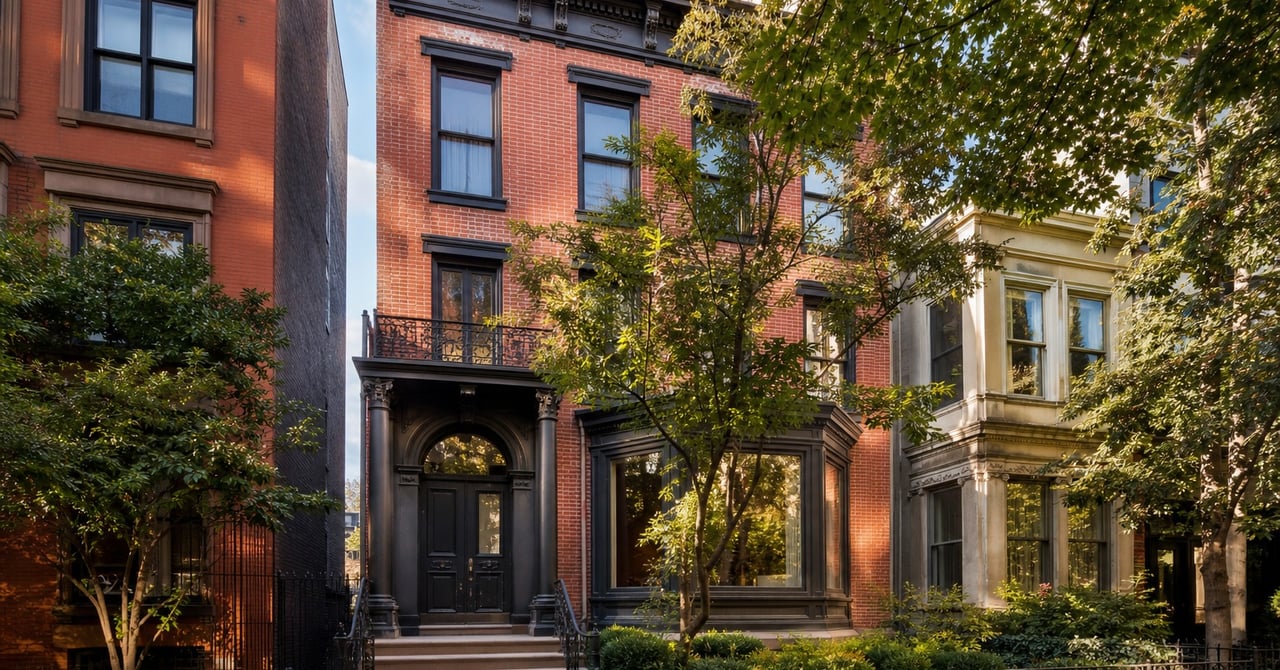
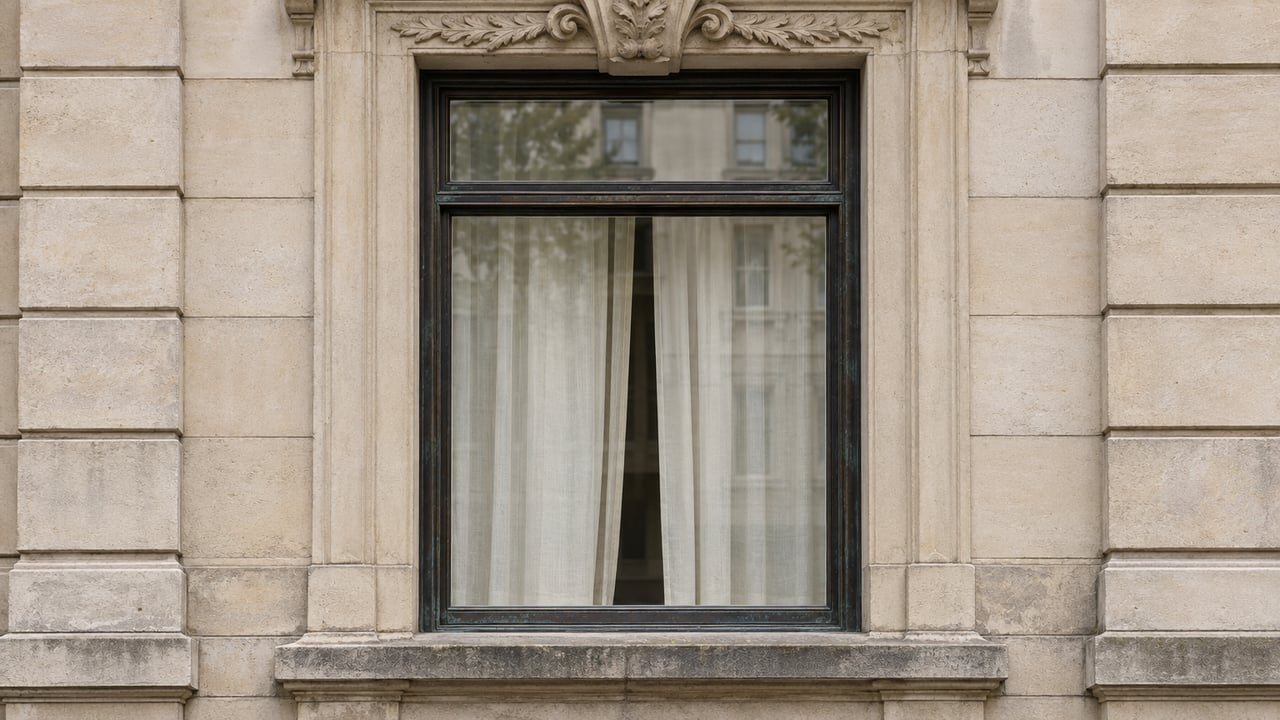
SoHo is not a generic downtown condo market. The neighborhood sits within the SoHo-Cast Iron Historic District, first designated in 1973 and later extended in 2010, and official city materials describe it as the largest concentration of full and partial cast-iron facades in the world. That architectural identity shapes how buyers see value.
It also helps explain why broad Manhattan averages can only take you so far. Recent neighborhood trackers point to a high-priced, low-turnover market in SoHo, with median sale prices around $3.8 million, median list prices from roughly $3.48 million to $4 million, and days on market ranging from about 58 to 128 depending on the source and methodology. In other words, this is a market where price matters, presentation matters, and patience is often part of the process.
Price against your true competition
The biggest pricing mistake in SoHo is treating every loft as interchangeable. Buyers usually compare your home to a very specific set of alternatives, including resales in the same building, similar nearby loft buildings, and select new-development condos that may offer stronger finish packages.
That means neighborhood-wide averages should be background information, not your main pricing tool. A more useful approach is to focus on the details that drive buyer decisions in this part of Manhattan: building quality, line, light, exposure, ceiling height, renovation level, layout flexibility, and overall authenticity.
Why broad averages can mislead
Manhattan’s first-quarter 2026 resale market was active but selective. Brown Harris Stevens reported an average of 108 days on market, with buyers paying 97.0% of last asking price on average, while Corcoran reported 2,757 closings, $6.2 billion in sales volume, and an average of 110 days on market.
Those numbers are helpful for market context, but they do not tell you what your loft should list for. SoHo’s recent pricing sits far above the Manhattan median, and downtown averages do not fully capture the premium buyers may assign to a true loft with strong scale, light, and original character.
Size and layout still matter
Not every SoHo apartment benefits equally from the neighborhood’s reputation. Manhattan data from Brown Harris Stevens show that larger condos performed better in early 2026, while studio and one-bedroom condos were softer.
That matters if your loft is smaller, more segmented, or functions like a converted one-bedroom. You may still have a desirable SoHo address, but buyers are likely to evaluate price through the lens of usable space and layout efficiency, not just cachet.
How aggressive should your list price be?
In SoHo, a disciplined price is often the smartest strategy. Recent data suggest buyers are still negotiating, with neighborhood and Manhattan sale-to-list ratios generally landing around 97% to 98%, and homes often taking two to four months to sell depending on the source.
That creates a real risk for sellers who start even slightly too high. In a low-turnover loft market, an aspirational list price can slow momentum, reduce urgency, and ultimately lead to a wider discount than a sharper launch price would have produced.
What buyers notice right away
Buyers in this segment tend to spot overpricing quickly. They are often comparing finishes, dimensions, light, and building feel across a small but highly competitive set of listings.
If your loft enters the market above its true peer group, buyers may not see it as premium. They may simply see it as overpriced. That can be hard to reverse once the listing has been sitting.
A better pricing mindset
The goal is not to chase the highest imaginable number. The goal is to align your asking price with the lofts a serious buyer would actually consider instead of yours.
That is especially important in SoHo, where limited turnover can tempt sellers to test the market. A strong result usually comes from pricing with discipline from day one, then supporting that price with standout presentation and marketing.
Position the loft around what SoHo buyers value
In SoHo, pricing gets buyers to click, but positioning gets them to care. The homes that stand out are the ones that make their value legible right away, both online and in person.
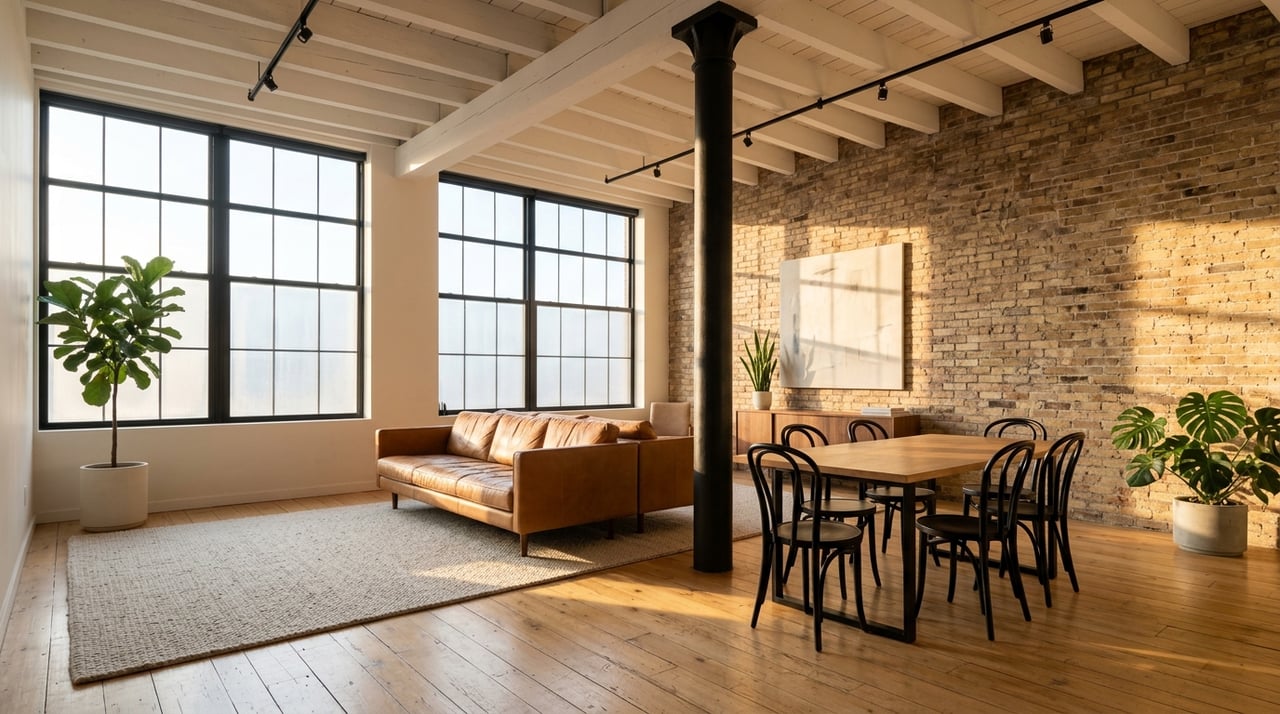
For most lofts, that means emphasizing the features that are hardest to replicate elsewhere. Think volume, daylight, long sightlines, cast-iron windows, columns, beams, exposed brick, and a layout that feels flexible for both daily living and entertaining.
Authenticity beats generic luxury
SoHo buyers often cross-shop boutique resales against new development. New development can set a high bar for finishes and presentation, especially in a Manhattan market where inventory remains tight and luxury buyers are still active.
But a historic SoHo loft does not need to compete on amenity count alone. It often wins on authenticity, scale, architectural character, and location. Your marketing should make that difference clear.
Stage for light, volume, and clarity
A loft’s value proposition is highly visual. If the space feels crowded, dim, or hard to read, buyers may miss the very qualities that justify the price.
That is why staging matters. In the National Association of Realtors 2025 Profile of Home Staging, 83% of buyers’ agents said staging makes it easier for buyers to visualize a property as a future home. The same report identified the living room, primary bedroom, and kitchen as the most important rooms to stage.
What staging usually looks like in a SoHo loft
In this setting, effective staging is often less about adding more and more about editing well. Fewer, larger furniture pieces can help the room read as expansive, while clean window treatments and neutral finishes support light and openness.
Artwork and accessories should support the architecture rather than compete with it. The goal is to preserve the loft’s character while making the space feel calm, scaled, and easy to understand.
Focus on the rooms that matter most
If you are prioritizing where to invest time and money, start with the rooms buyers notice first and remember most:
- Living room
- Primary bedroom
- Kitchen
These spaces do the most work in helping buyers imagine daily life in the home. In an open loft, they also shape how buyers perceive the entire floor plan.
Choose practical pre-sale updates
Before you take on larger projects, it helps to remember where SoHo sits. Because many buildings are within a historic district, exterior changes and many alterations may require approval from the Landmarks Preservation Commission, while ordinary interior work usually does not unless it affects the exterior or involves an interior landmark.
That makes practical interior prep especially important. In many cases, the smartest pre-sale work is cosmetic, strategic, and fast to execute.
High-impact improvements to consider
For many SoHo sellers, the most useful pre-sale updates include:
- Deep cleaning
- Window washing
- Decluttering
- Fresh paint
- Floor refinishing
- Lighting updates
- Minor interior touch-ups
These improvements can sharpen the loft’s presentation without creating unnecessary delays. They also align with what buyers respond to most in this type of home: brightness, openness, and a sense of care.
Build a listing package that does more than look pretty
A single beautiful hero shot is not enough for a SoHo loft. Buyers need help understanding scale, flow, and architectural detail before they ever schedule a showing.
That is why your digital presentation matters so much. The National Association of Realtors staging report found that photos, physical staging, videos, and virtual tours all play an important role in buyer decision-making.
What your marketing should communicate
Your listing package should help buyers quickly grasp:
- How large the main living space feels
- Where the natural light comes from
- How public and private zones connect
- Which architectural details define the home
- How the layout supports everyday living
In a loft, these details are not extras. They are central to perceived value.
Winning strategy: price with discipline, present with intention
The strongest SoHo sales strategy is usually not complicated, but it is precise. Price the loft against the most relevant comparable homes, prepare it to emphasize light and scale, and market it in a way that makes its character immediately clear.
That approach is especially important in a market where buyers negotiate, days on market can be long, and new development continues to influence expectations. If you want to maximize your net, the best move is often to treat the loft like a design-driven product from the start, not a listing that can be figured out later.
Selling in SoHo takes more than a Zestimate mindset and a few listing photos. If you want tailored advice on pricing, presentation, and a launch plan that fits your loft, Heather Cooper can help you build a strategy that meets the market where it is.
FAQs
How should you price a SoHo loft for today’s market?
- You should usually price against your true competitive set, including same-building resales, similar nearby lofts, and select new-development alternatives, rather than relying on broad neighborhood averages alone.
How long does it take to sell a SoHo loft?
- Recent market data show a fairly wide range, with days on market running from about 58 to 128 depending on the source, which suggests that pricing and presentation can strongly affect timing.
Which rooms matter most when staging a SoHo loft?
- The highest-priority rooms are the living room, primary bedroom, and kitchen, based on the 2025 National Association of Realtors home staging survey.
Do landmark rules affect pre-sale work on a SoHo loft?
- Yes. Exterior changes and many alterations in a historic district may require Landmarks Preservation Commission approval, while ordinary interior work usually does not unless it affects the exterior or involves an interior landmark.
Should you compare a SoHo loft to new development when setting price?
- Only selectively, because new development can shape buyer expectations, but a historic SoHo loft is usually best priced primarily against comparable nearby loft resales and then adjusted for condition, light, and building quality.