Trying to choose between a charming prewar apartment and a sleek new condo on the Upper West Side? You are not alone. In a neighborhood known for historic architecture, modern luxury projects, and a wide range of ownership structures, this decision can shape your monthly costs, day-to-day lifestyle, and long-term flexibility. This guide will help you compare the tradeoffs clearly so you can shop with more confidence. Let’s dive in.
Why this choice matters on the Upper West Side
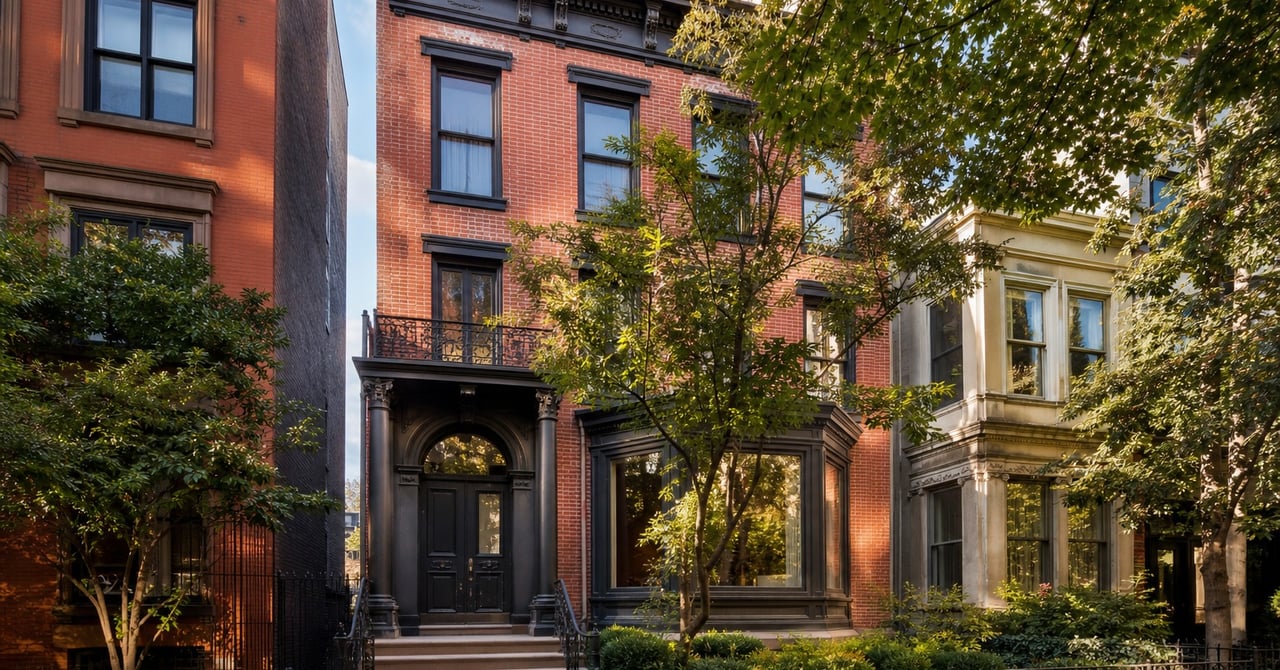
The Upper West Side has a housing mix that feels especially distinct because much of its residential growth took off in the late 19th century. By 1890, the area had developed into a prosperous residential neighborhood, and today that legacy still shows up in the many prewar buildings along streets like West End Avenue, Riverside Drive, and Central Park West.
That history is a big reason this choice comes up so often here. On the Upper West Side, you are not just picking an apartment. You are often choosing between very different building eras, ownership experiences, and expectations around layout, rules, and upkeep.
There is also a practical reason buyers are comparing carefully right now. Realtor.com reports a May 2026 median listing price of $1,699,000, roughly 1,286 homes for sale, a median 50 days on market, and homes selling about 2.15% below asking on average. In a market like that, details like monthly costs, flexibility, and resale appeal matter.
What prewar apartments often offer
Prewar apartments on the Upper West Side tend to win buyers over with character and room shape. Many shoppers are drawn to features like foyers, decorative moldings, archways, high beamed ceilings, hardwood floors, and windowed kitchens. These details can make a home feel gracious, warm, and distinct.
The layout is often part of the appeal too. Prewar homes may feel more formal, with defined rooms rather than an open-plan setup. If you like separation between living, dining, and sleeping spaces, this style can be a strong fit.
The neighborhood itself reinforces that appeal. StreetEasy describes the Upper West Side as architecture-rich and heavily prewar, with many large buildings in styles such as Beaux-Arts and Renaissance Revival. If you want a home that feels tied to the neighborhood’s history, prewar stock often delivers that sense of place.
Common prewar advantages
- Classic architectural details
- Often more defined room layouts
- A strong connection to Upper West Side streetscape and history
- A home that may feel unique rather than standardized
What new condos often offer
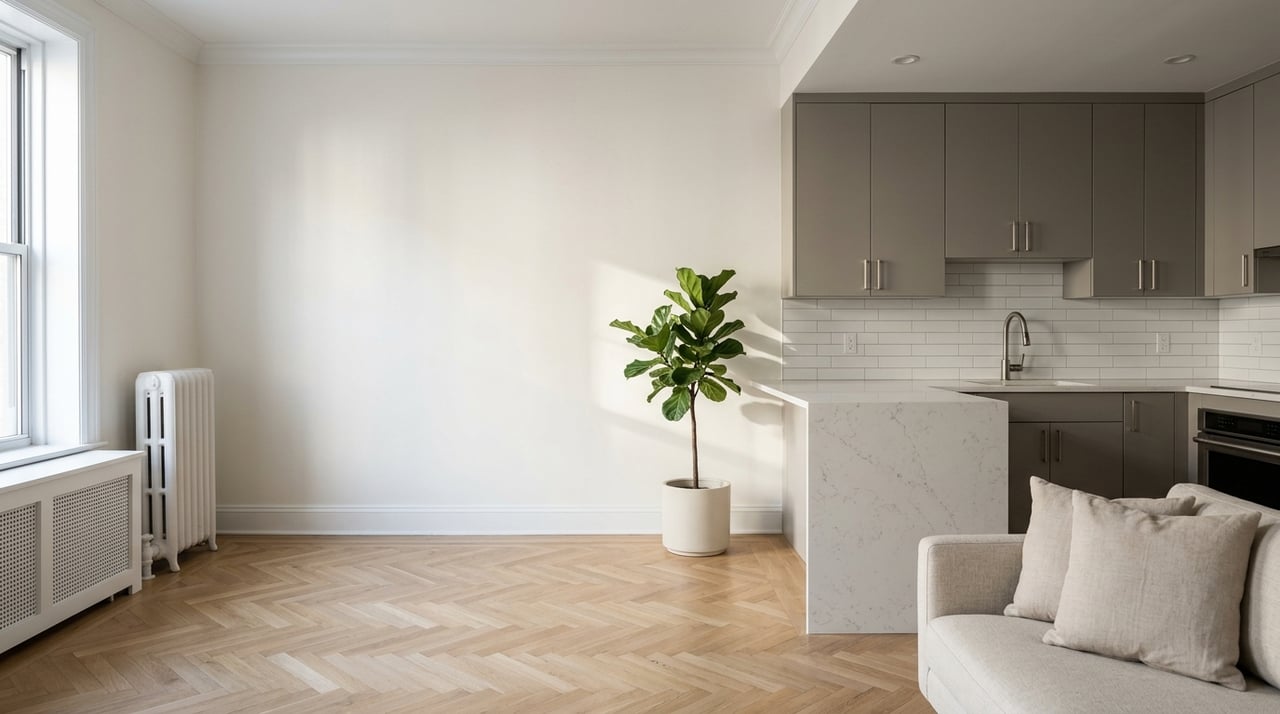
New condos usually appeal to buyers who want modern systems, newer finishes, and amenity access. On the Upper West Side, current examples include buildings with pools, fitness centers, roof decks, playrooms, sports facilities, and outdoor gathering areas. Inside the apartments, newer listings often feature wide-plank floors, central air, vented laundry, and private outdoor space.
For many buyers, convenience is the biggest draw. A newer condo may offer a more turnkey experience with less concern about outdated mechanical systems or immediate renovation needs. If your priority is ease, comfort, and modern function, this category often stands out.
The Upper West Side also has a hybrid version of this option. Some buildings blend older architecture with a newer condo setup, such as converted or repositioned prewar properties with restored historic details and updated amenity packages. That can give you a middle ground if you want some character without giving up modern comforts.
Common new condo advantages
- Newer systems and finishes
- More amenities
- More modern layouts and in-unit conveniences
- Greater flexibility in many cases for subletting, pied-à-terre use, and resale
The biggest tradeoff: character versus flexibility
In many Upper West Side searches, the real comparison is not just prewar versus new. It is often prewar co-op versus newer condo. That matters because the ownership structure can affect your experience as much as the apartment itself.
Co-ops are more often older and may come with fewer amenities. They also typically have tighter rules around subletting and pied-à-terre use. Condos, by contrast, are generally more flexible and are more often associated with newer construction and broader amenity packages.
That does not mean one is better across the board. It means you should match the building type to your priorities. If you care most about charm and layout, a prewar co-op may feel right. If you care most about ease, modern infrastructure, and future flexibility, a newer condo may be the stronger fit.
How monthly costs work
Monthly costs can look confusing if you compare a co-op and a condo side by side without breaking them apart. The structure is different, and that difference can change how a listing feels at first glance.
According to the New York City Bar, co-op maintenance generally covers building expenses, property taxes, and sometimes the building’s underlying mortgage. Condo owners, on the other hand, pay their own real estate taxes separately and also pay common charges for shared building costs and systems.
That means you should look past the headline number. A co-op’s monthly payment may bundle more into one line item, while a condo may split those costs between common charges and taxes. When you compare options, make sure you are measuring the full monthly carrying cost.
Questions to ask about monthly costs
- How much is maintenance or common charges?
- Are property taxes included or separate?
- Has the building completed major capital work recently?
- Are there signs of future repair costs that could affect your budget?
Board process and building rules
If you are considering a prewar co-op, the board process deserves real attention. In a co-op, you are buying shares in a corporation and receiving a proprietary lease, rather than simply taking title to real property. The board is generally elected by shareholders and is often made up of neighbors in the building.
That setup can affect both the approval process and your ongoing ownership experience. Buyers often face more paperwork and more scrutiny in co-ops than in condos. Rules may also be stricter around financing, pets, subletting, or pied-à-terre use.
This is one reason some buyers choose condos even at a higher price point. They value the simpler approval path and greater operating flexibility. Others are comfortable with the co-op process because they care more about location, layout, and architectural character.
Due diligence matters in both categories
Whether you buy a prewar apartment or a new condo, due diligence is essential. The New York Attorney General advises buyers to read the full offering plan and consult an attorney before signing. The same source also recommends reviewing board minutes and financials for defects or costly repairs.
On the Upper West Side, those reviews can be especially important in older buildings. You want to understand the status of the façade, roof, elevators, plumbing, electrical systems, windows, and boiler work. A beautiful apartment can still come with larger building issues that affect your budget and timeline.
For newer condos, the checklist is a little different but still important. You may focus more on building operations, reserve strength, finish quality, and how the amenities affect common charges over time. Newer does not mean you can skip the details.
Historic districts can affect exterior changes
The Upper West Side has many buildings in protected historic districts, and that can matter if you are thinking about future exterior work. The Landmarks Preservation Commission says designated buildings in historic districts are subject to review for alterations other than ordinary repairs and interior changes.
For most buyers, this is not a reason to avoid a property. It is simply a factor to understand early. If you are considering a home where future exterior changes matter to you, it is smart to ask what kinds of work would require approval.
Which option fits your lifestyle?
If you are torn, it helps to think less about labels and more about how you actually want to live. The right choice often becomes clearer when you focus on your habits, plans, and tolerance for process.
A prewar apartment may suit you if you want a more formal layout, value original detail, and feel excited by the classic Upper West Side aesthetic. A new condo may fit better if you want central air, laundry, amenities, and fewer ownership restrictions.
Here is a simple side-by-side view:
| If you value... | You may prefer... |
|---|---|
| Architectural detail and classic layouts | Prewar apartment |
| Modern systems and amenities | New condo |
| More flexibility for subletting or pied-à-terre use | New condo |
| A stronger sense of historic character | Prewar apartment |
| Simpler approval process | New condo |
| A traditional Upper West Side feel | Prewar apartment |
Smart questions to ask before you buy
The best Upper West Side buyers go beyond finishes and staging. They ask the questions that reveal how the apartment will really function financially and practically.
Start with these:
- How much of the monthly cost is maintenance versus property tax?
- How strict is the board on financing, subletting, pets, or pied-à-terre use?
- Is the building in a historic district?
- What capital work has already been completed on the façade, roof, elevators, windows, plumbing, electrical, or boiler?
- Does the layout match how you actually live, entertain, and work from home?
The bottom line on prewar versus new condo
On the Upper West Side, this decision is rarely just about old versus new. It is about choosing the mix of character, convenience, monthly cost structure, and flexibility that fits your goals. The neighborhood offers strong examples of both, which is part of what makes buying here exciting.
If you want classic architecture, formal proportions, and a distinctly Upper West Side feel, a prewar apartment may be the right move. If you want modern infrastructure, lifestyle amenities, and a more flexible ownership structure, a newer condo may make more sense.
The key is knowing how to compare them clearly before you fall in love with one listing. If you want help weighing co-op versus condo tradeoffs on the Upper West Side, Heather Cooper can help you evaluate the numbers, building rules, and resale implications with a practical, neighborhood-focused approach.
FAQs
What is the difference between a prewar apartment and a new condo on the Upper West Side?
- A prewar apartment usually refers to an older home with classic details and more formal layouts, while a new condo typically offers newer systems, modern finishes, amenities, and more ownership flexibility.
Are most prewar Upper West Side apartments co-ops?
- Many older Upper West Side apartments are co-ops, and co-ops are more often older buildings with stricter rules than condos.
Do Upper West Side condos usually have higher monthly costs than co-ops?
- The cost structure is different, so you need to compare total carrying costs carefully because co-op maintenance may include property taxes while condo owners usually pay taxes separately from common charges.
Why do Upper West Side buyers care about board rules?
- Board rules can affect financing, pets, subletting, pied-à-terre use, and the overall approval process, especially in co-ops.
Can historic district rules affect an Upper West Side apartment purchase?
- Yes, if a building is designated in a historic district, certain exterior alterations may require review by the Landmarks Preservation Commission.
Is a new condo always the better investment on the Upper West Side?
- Not necessarily. The better choice depends on your budget, monthly cost tolerance, need for flexibility, preferred layout, and how the building’s rules and condition may affect future resale.