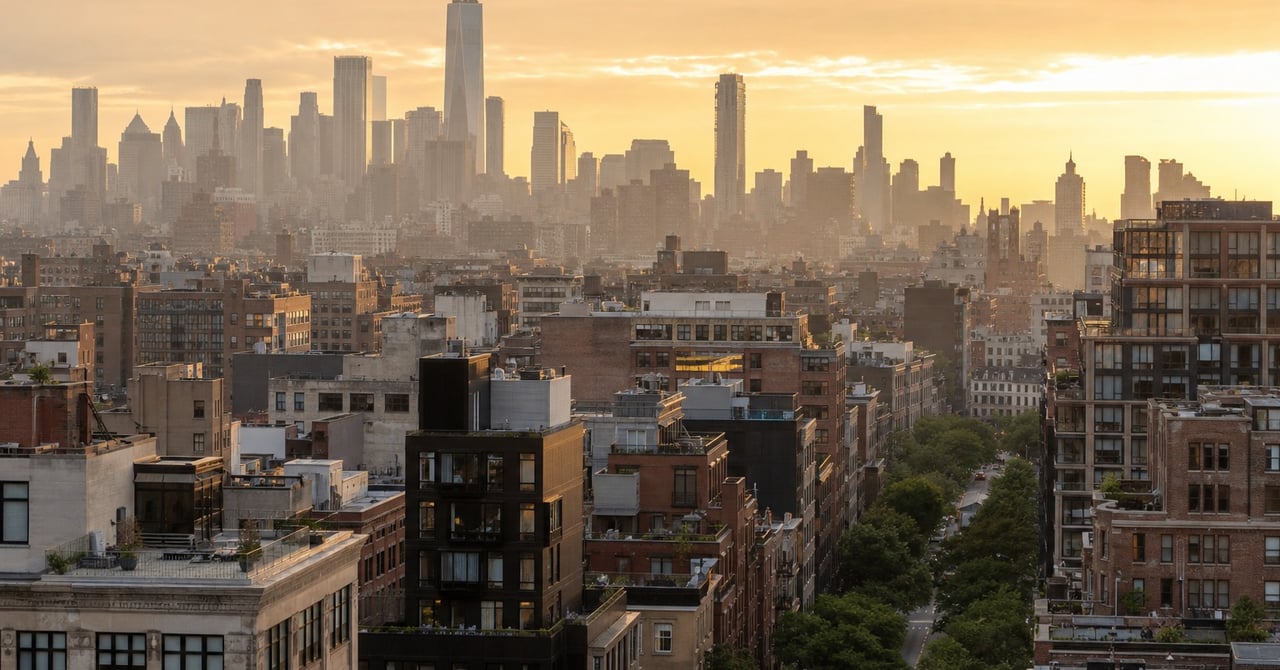
Thinking about living near Museum Mile? You are not just choosing an address. You are choosing a very specific Upper East Side lifestyle shaped by world-famous museums, direct Central Park access, classic architecture, and strong everyday convenience. If you want to understand what it actually feels like to live here, how the housing stock differs block by block, and what buyers and sellers should keep in mind, this guide will walk you through it. Let’s dive in.
What Museum Mile Really Means
Museum Mile is one of the Upper East Side’s most recognizable corridors, running along Fifth Avenue and closely tied to a long list of major cultural institutions. The annual Museum Mile Festival spans Fifth Avenue from 82nd to 110th Street and includes more than 20 museums and neighborhood partners, among them The Met, Neue Galerie, the Guggenheim, Cooper Hewitt, The Jewish Museum, the Museum of the City of New York, El Museo del Barrio, MoMA, and The Africa Center.
That level of cultural concentration shapes daily life in ways that are both exciting and practical. The blocks closest to Fifth Avenue tend to see more visitors, more event activity, and more foot traffic than areas farther east. If you love being close to iconic institutions and a lively streetscape, that can be a major draw.
Daily Life on the Upper East Side
Living near Museum Mile often means having one of New York City’s best everyday amenities right outside your door: Central Park. On this stretch of the park, you are close to the Reservoir between 86th and 96th Streets, East Meadow between 97th and 100th Streets, and Conservatory Garden off Fifth Avenue between 104th and 106th Streets.
That kind of access changes your routine in a real way. A morning run, a walk after work, or a quiet hour in the garden can feel easy rather than planned. For many buyers, that seamless park access is one of the biggest reasons this part of the Upper East Side stands out.
A few blocks away from Fifth Avenue, the neighborhood shifts. StreetEasy describes the area between Park and Fifth Avenues as home to stately co-ops and sleek condos, while also noting that Museum Mile draws tourists and culture seekers. As you move east, the feel often becomes more residential and more focused on day-to-day neighborhood life.
That east-west difference matters when you are deciding where to live. If you want prestige, park adjacency, and the strongest museum identity, the blocks closer to Fifth and Park may appeal most. If you want a quieter daily rhythm with easy access to everything, blocks farther east can offer a different kind of Upper East Side experience.
Shopping, Dining, and Errands
One reason the area works so well for full-time residents is that it is not just a cultural destination. It is also a functioning neighborhood with strong local retail and service businesses. The Madison Avenue BID stretches from East 57th to East 86th Street and includes adjacent side streets, helping explain the concentration of boutiques, cafés, and neighborhood services in the area.
The East 86th Street corridor also plays an important role in daily convenience. It functions as a mix of commercial, residential, and cultural activity and serves as a gateway toward Museum Mile. In practical terms, that means you are not relying on one avenue or one cluster for daily needs.
Second Avenue adds another layer to the neighborhood mix. StreetEasy notes sports bars, pubs, and restaurants there, giving the Upper East Side a more casual and energetic side beyond the polished Fifth, Park, and Madison Avenue identity. If you like having both refined and relaxed options nearby, that variety can be a real plus.
Transit Near Museum Mile
For a neighborhood with such a residential reputation, Museum Mile is impressively well connected. The MTA’s Second Avenue Subway Phase 1 added Q train service at 72nd, 86th, and 96th Streets, while the 4, 5, and 6 lines on Lexington Avenue remain the East Side’s long-standing subway backbone.
Crosstown travel is also easier than many buyers expect. The M79-SBS and M86-SBS buses provide practical east-west service across the neighborhood, which is especially useful if you are heading to the park, crossing to other subway lines, or running errands across avenues.
The tradeoff is that strong connectivity and major cultural destinations bring more movement. This part of the Upper East Side can feel unusually connected and active, especially near the museum corridor, but that also means heavier foot traffic and occasional event-day congestion. For some buyers, that energy is part of the appeal. For others, it is a reason to look a few blocks east.
Housing Style and Building Types
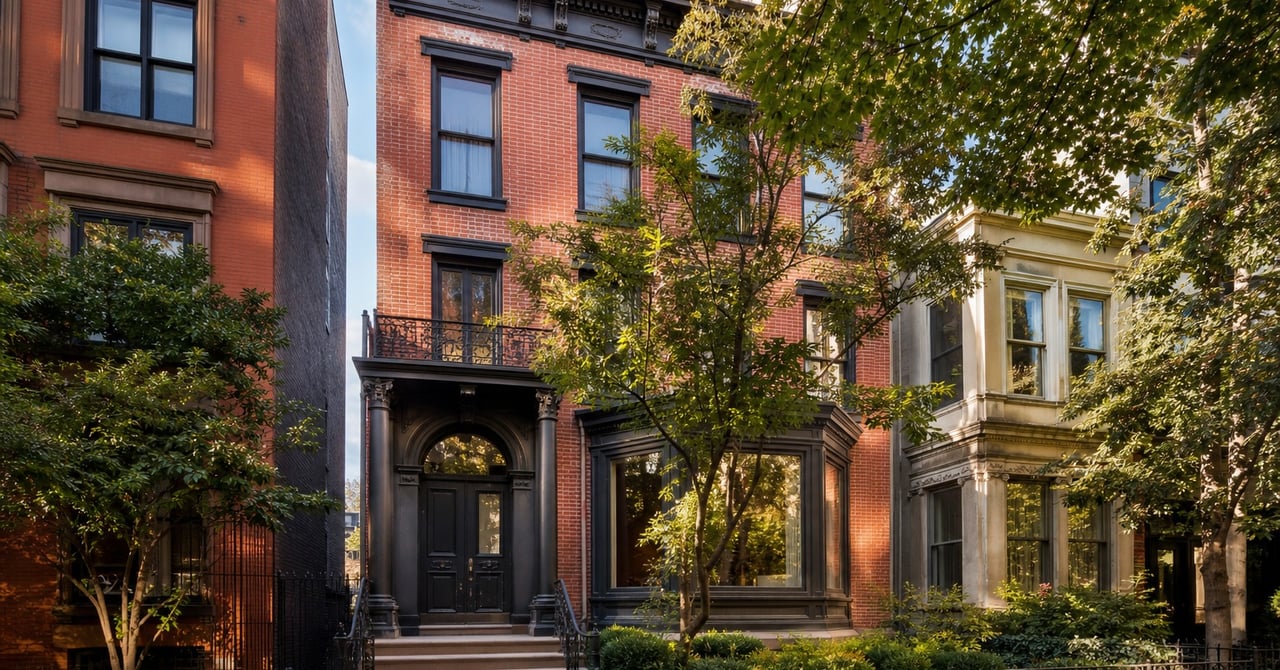
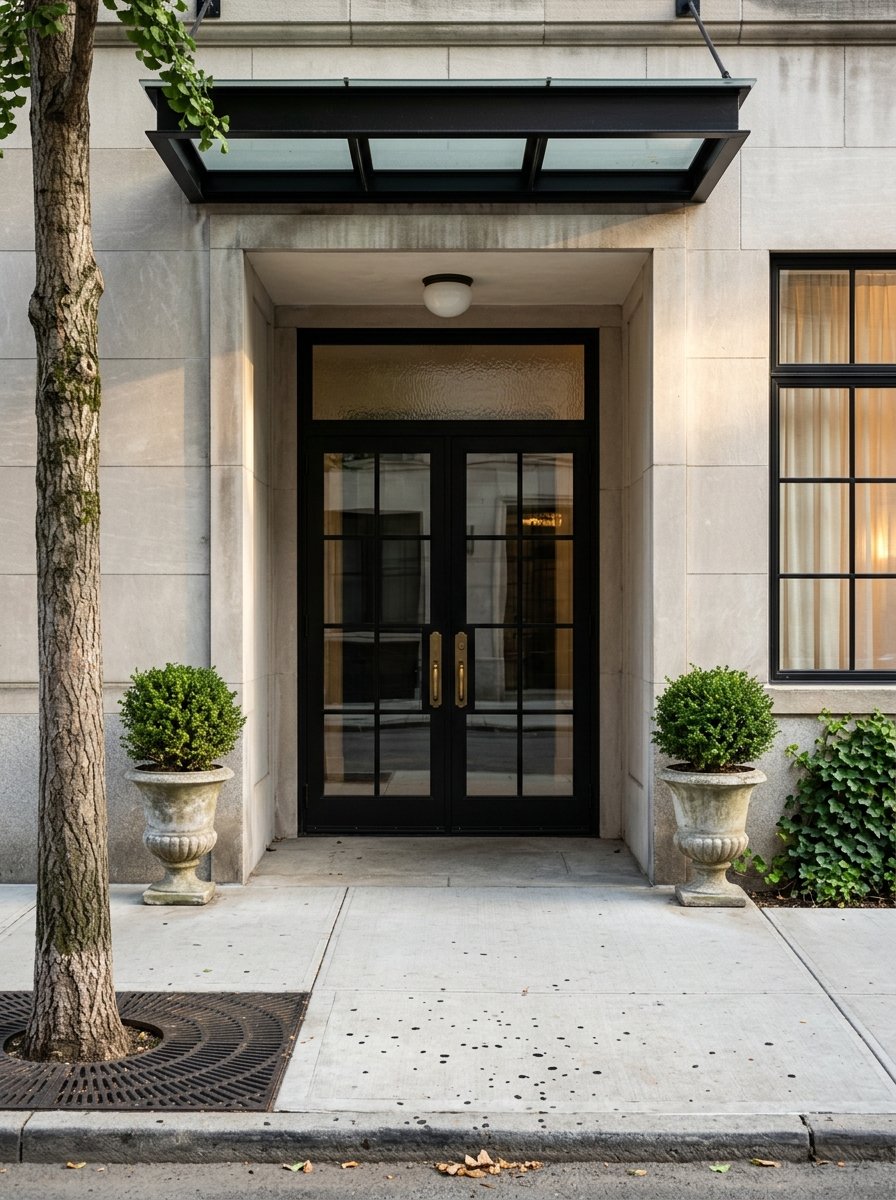
The housing stock near Museum Mile has deep architectural character. According to the Landmarks Preservation Commission’s Upper East Side Historic District Extension report, the area includes 19th-century row houses and early 20th-century apartment houses in styles such as Italianate, neo-Grec, Renaissance Revival, Colonial Revival, and neo-Italian Renaissance.
That history still shows up in how the neighborhood feels today. Many of the larger apartment houses built between 1913 and 1934 were designed and marketed as high-quality addresses near business and cultural centers. The result is a streetscape that often feels elegant, established, and distinctively Upper East Side.
Inside those older buildings, layouts can reflect another era. The LPC report notes that apartment interiors were commonly arranged into suites separating public and private rooms. That can translate into gracious entries, formal living areas, and room configurations that feel different from newer development layouts.
At the same time, the neighborhood is not limited to classic prewar co-ops. StreetEasy’s current Upper East Side listings show everything from studios and one-bedrooms to larger multi-bedroom homes, penthouses, and townhouse-style offerings. If you are picturing only grand co-ops, the real inventory is broader than that.
Older Charm and Newer Options
The Upper East Side has also added housing in recent years. The NYU Furman Center reports that the neighborhood added 4,025 housing units between 2010 and 2025, with most of those units classified as market-rate.
That helps explain why newer condo inventory now sits alongside long-established co-op stock. Depending on your priorities, you may find yourself comparing prewar charm and established building character against newer finishes, more modern layouts, and different amenity packages.
For many buyers, this is where neighborhood nuance matters most. West of Lexington, especially closer to Fifth and Park, the market is often more prestige-driven and closely associated with prewar co-ops and Central Park-facing condos. Farther east, the product mix tends to feel more varied and more purely residential.
What Buyers Should Know
If you are considering a co-op or condo purchase near Museum Mile, due diligence matters. In New York City, both property types require careful review, but co-ops usually add a board-review layer that can affect timing and approval risk.
The New York State Attorney General advises buyers to read the offering plan carefully, understand the physical condition of the building, and review board minutes, financial reports, and violations in existing buildings. For new construction, the Attorney General also notes that promised recreational facilities and amenities should be spelled out in the offering plan rather than assumed from marketing materials.
This is where having a clear process can make a big difference. In a neighborhood with a wide mix of building types, purchase structures, and price points, comparing apartments is not just about finishes or square footage. You also want to understand building rules, financial health, and how each option fits your timeline and goals.
What Sellers Should Know
If you own near Museum Mile, your home may benefit from a location story that resonates with buyers. Central Park access, transit convenience, cultural landmarks, and strong neighborhood retail all support the lifestyle case for the area.
At the same time, sellers should understand that not every block markets the same way. The most museum-adjacent addresses often carry the strongest prestige identity and most active street presence, while blocks farther east may appeal more to buyers looking for a calmer residential feel. Positioning your home correctly starts with understanding exactly where it sits within that spectrum.
There is also an important practical point for owners planning exterior work. The NYC Landmarks Preservation Commission regulates designated properties after designation, which can affect changes to façades, windows, and storefronts. If your building sits within a landmarked or historically regulated area, that review process may shape your renovation plans or sale preparation timeline.
Why Museum Mile Appeals to Buyers
For many people, living near Museum Mile is about more than proximity to museums. It is about having a rare mix of cultural identity, park access, transit options, and everyday neighborhood function in one place.
You can live near globally recognized institutions while still having a local rhythm. You can spend time in Central Park, run errands nearby, and move across Manhattan with relative ease. That combination is a big reason the area continues to attract both first-time Manhattan buyers and long-term Upper East Side residents.
The key is matching the right block and building to the lifestyle you want. Some buyers want to be as close as possible to Fifth Avenue and the park. Others want the Museum Mile advantage without the busiest frontage. Knowing the difference can help you make a smarter move.
If you are thinking about buying or selling near Museum Mile, working with someone who understands co-op and condo process, building nuance, and block-by-block positioning can save time and reduce friction. For tailored guidance on the Upper East Side, schedule a complimentary market consultation with Heather Cooper.
FAQs
What is Museum Mile on the Upper East Side?
- Museum Mile is the Fifth Avenue corridor on the Upper East Side associated with a dense group of major museums and cultural institutions, with the annual Museum Mile Festival spanning from 82nd to 110th Street.
What is daily life like near Museum Mile?
- Daily life near Museum Mile blends residential living with cultural activity, strong Central Park access, neighborhood retail, and more foot traffic near Fifth Avenue than on blocks farther east.
What transit serves the Museum Mile area?
- The area is served by the Q train at 72nd, 86th, and 96th Streets, the Lexington Avenue 4, 5, and 6 lines, and crosstown buses including the M79-SBS and M86-SBS.
What kinds of homes are near Museum Mile?
- Homes near Museum Mile include prewar co-ops, condos, row houses, studios, one-bedrooms, larger multi-bedroom residences, penthouses, and some newer market-rate housing.
What should buyers review before purchasing a co-op or condo near Museum Mile?
- Buyers should carefully review the offering plan, building condition, board minutes, financial reports, and violations, and should confirm that any promised new construction amenities are documented in the offering plan.
What should sellers know about landmark rules near Museum Mile?
- Sellers should know that if a property is designated or located in a historically regulated area, exterior changes such as façade or window work may be subject to Landmarks Preservation Commission regulation.