Trying to choose between Murray Hill and Midtown East? If you want a Midtown location, this is one of the most practical decisions you can make because these two areas can feel close on a map but live very differently day to day. The good news is that you do not need a perfect neighborhood label to make a smart decision. You just need to know how housing, noise, transit, and daily routines line up with your lifestyle. Let’s dive in.
Start With the Main Difference
The simplest way to think about it is this: Murray Hill often feels more residential, while Midtown East tends to feel more centered on transit, offices, and Grand Central.
That said, the line is not perfectly clean. StreetEasy’s Midtown East area page includes Kips Bay, Murray Hill, Sutton Place, and Turtle Bay, which means some market data overlaps. For your search, it helps to treat Murray Hill as a neighborhood-scale slice of Midtown and Midtown East as the broader, more transit-heavy core.
Planning literature gives Murray Hill a rough boundary of East 40th Street to the north, Second Avenue to the east, 34th Street to the south, and Madison Avenue to the west. Even within that footprint, the feel can change quickly from one block to the next, especially as you move toward major avenues or the 34th Street corridor.
Compare Housing Options
Murray Hill housing stock
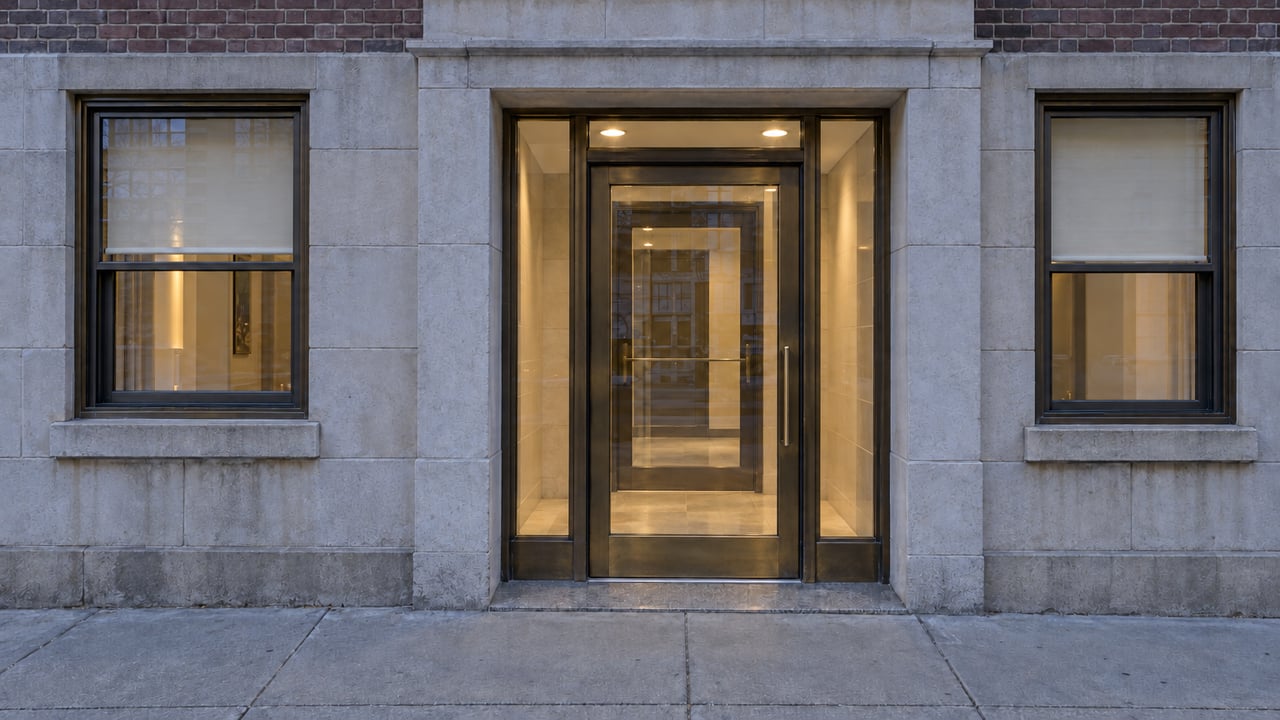
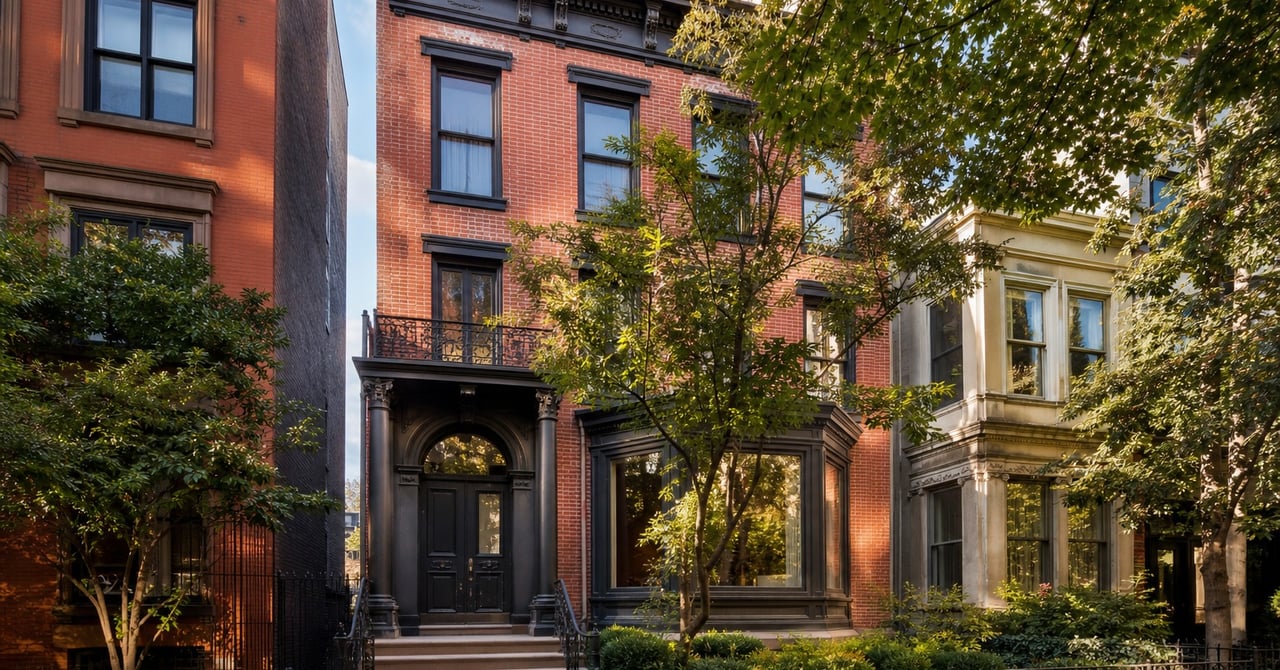
Murray Hill offers a layered housing mix rather than one dominant building type. According to planning documents and StreetEasy’s Murray Hill neighborhood page, you will find small walk-ups on side streets, larger towers on major cross streets, and pockets of older historic architecture.
That mix matters if you are buying or renting with a specific lifestyle in mind. A side-street walk-up may offer a more classic neighborhood feel, while a larger building on an avenue or major cross street may give you more services, a different layout mix, or a more modern living experience.
Midtown East housing stock
Midtown East offers a broader and deeper inventory overall. StreetEasy’s Midtown East data shows 1,059 listings for sale, 739 for rent, and 94 new developments, along with a median new-development sale price of $2.285 million and median new-development size of 1,063 square feet.
For you, that usually means more variety in condos, co-ops, and newer buildings, especially closer to the Grand Central area. If your search is focused on full-service buildings, newer development, or a wider range of inventory at any given moment, Midtown East may give you more options to compare.
Review Price Signals Carefully
If budget is a major filter, the current pricing gap is worth noting.
According to StreetEasy’s Murray Hill page, Murray Hill has a median sale price of $675K and a median base rent of $4,595. On StreetEasy’s Midtown East page, Midtown East shows a median sale price of $925K and a median base rent of $5,088.
That does not mean every Midtown East apartment costs more than every Murray Hill apartment. It does mean Murray Hill currently reads as the somewhat lower-priced Midtown base, while Midtown East trends higher overall. Because boundaries and methodologies vary by source, it is best to use these as directional signals rather than hard rules.
Think About Noise and Street Feel
Murray Hill street experience
If you care about block-by-block livability, Murray Hill often has more variation. Planning literature describes quieter, tree-lined cross streets, but it also notes heavier traffic influences from the Queens Midtown Tunnel ramps and busy avenue corridors.
In practical terms, Murray Hill is not silent. But if you step off the busiest avenues, parts of it can feel more residential than the office-centered core of Midtown. That difference often becomes much clearer during a showing than it does on a listing page.
Midtown East street experience
Midtown East is generally louder and more intense, especially around Grand Central, 42nd Street, Park Avenue, and Lexington Avenue. Official planning documents describe 42nd Street as a corridor with extremely heavy vehicle and pedestrian traffic, and a Greater East Midtown noise study measured existing L10 noise levels in the 70s and 80s dBA at several nearby sites.
If you want energy, convenience, and a true transit hub atmosphere, that may be a plus. If you want a calmer home base after work, you may find Murray Hill more comfortable, especially on a quieter side street.
Compare Commute Convenience
Transit is one of the biggest reasons buyers and renters look at both areas. The question is not whether either neighborhood is convenient. The question is how close you want to be to the center of it all.
MTA subway line maps for the 6 train show nearby stations at 23rd, 28th, and 33rd Streets, which support Murray Hill access. Midtown East has the advantage of direct proximity to Grand Central, with 4/5/6/7/S subway service, Metro-North, and Long Island Rail Road service through Grand Central Madison. MTA’s Manhattan neighborhood maps also show the broader bus and station network in the area.
The south edge of Murray Hill also benefits from the NYC DOT 34th Street Busway, which improves bus movement on the M34 and M34A corridor. So while Midtown East wins on pure hub access, Murray Hill still gives you very strong connectivity without putting you in the middle of the most intense transit zone.
Look at Dining and Daily Rhythm
Murray Hill dining style
Murray Hill tends to lean casual and neighborhood-oriented. StreetEasy’s Murray Hill overview points to pubs, happy hours, wings, sliders, discounted laundry, and 24-hour restaurants as part of the area’s day-to-day appeal.
Recent coverage also shows newer additions such as Kjun’s expanded Murray Hill location and Drink NY. If you like a practical, easygoing routine with nearby casual spots and late-night convenience, Murray Hill may feel more natural.
Midtown East dining style
Midtown East often fits a lunch-meeting and after-work rhythm better. The Hugh describes itself as Midtown East’s culinary collective, and Urbanspace Vanderbilt near Grand Central offers 20-plus vendors in one place.
That setup can be especially appealing if you want quick variety near transit or if your schedule revolves around Midtown workdays. Midtown East also tends to offer more destination-style dining within easy reach of the office core.
Which Neighborhood Fits You Best?
Here is the clearest takeaway.
| Factor | Murray Hill | Midtown East |
|---|---|---|
| Housing feel | Mixed stock with side-street walk-ups and larger towers | Broader mix of co-ops, condos, and new development |
| Price signal | Lower current median sale and rent | Higher current median sale and rent |
| Street feel | More block-to-block variation, often more residential off the avenues | More intense, busier, and transit-centered |
| Commute | Strong East Side access and close to Grand Central | Direct access to the full Grand Central hub |
| Dining rhythm | Casual, neighborhood-focused, all-hours convenience | Food halls, lunch spots, and destination dining |
In many searches, Murray Hill is the better fit if you want a more neighborhood-scale Midtown base with somewhat lower pricing signals. Midtown East is often the better fit if you want maximum transit convenience and a wider range of building types, including more new development.
A Smart Showing Strategy
If you are actively searching, do not rely on one showing or one price point. The most useful plan is to compare:
- One Murray Hill side-street walk-up or smaller building
- One larger Murray Hill tower on a major corridor
- One Midtown East apartment near Grand Central or in a newer development
It is also smart to visit during both rush hour and off-peak hours. The biggest differences between these two areas often show up in traffic, ambient noise, pedestrian flow, and how the blocks feel once the office day begins and ends.
Final Takeaway
Choosing between Murray Hill and Midtown East is less about picking the "better" neighborhood and more about choosing the right Midtown base for how you actually live. If you want a slightly more residential feel, practical dining, and a lower current price signal, Murray Hill may be the stronger match. If you want to be at the center of transit, office access, and a broader housing pipeline, Midtown East may be worth the premium.
If you want help comparing co-ops and condos block by block, building by building, Heather Cooper can help you narrow the options and build a smart showing plan around your commute, budget, and must-haves.
FAQs
What is the main difference between Murray Hill and Midtown East?
- Murray Hill generally feels more residential, while Midtown East is more centered around Grand Central, office corridors, and major transit access.
Is Murray Hill more affordable than Midtown East right now?
- Based on current StreetEasy figures in the research, Murray Hill shows a lower median sale price and lower median base rent than Midtown East.
Does Midtown East have better transit than Murray Hill?
- Midtown East has the edge because it sits directly on the Grand Central hub, though Murray Hill still has strong subway and bus access nearby.
Is Murray Hill quieter than Midtown East?
- In general, yes on many side streets, but noise can increase near major avenues, 34th Street, and Queens Midtown Tunnel approach routes.
What kind of buildings can you expect in Murray Hill?
- You can expect a mix of small walk-ups on side streets, larger towers on major cross streets, and some historic architecture.
What kind of buildings can you expect in Midtown East?
- Midtown East typically offers a broader mix of co-ops, condos, and new developments, with more inventory overall.
Should you tour Murray Hill and Midtown East at different times of day?
- Yes. A rush-hour visit and an off-peak visit can reveal major differences in traffic, street noise, and the overall feel of each area.