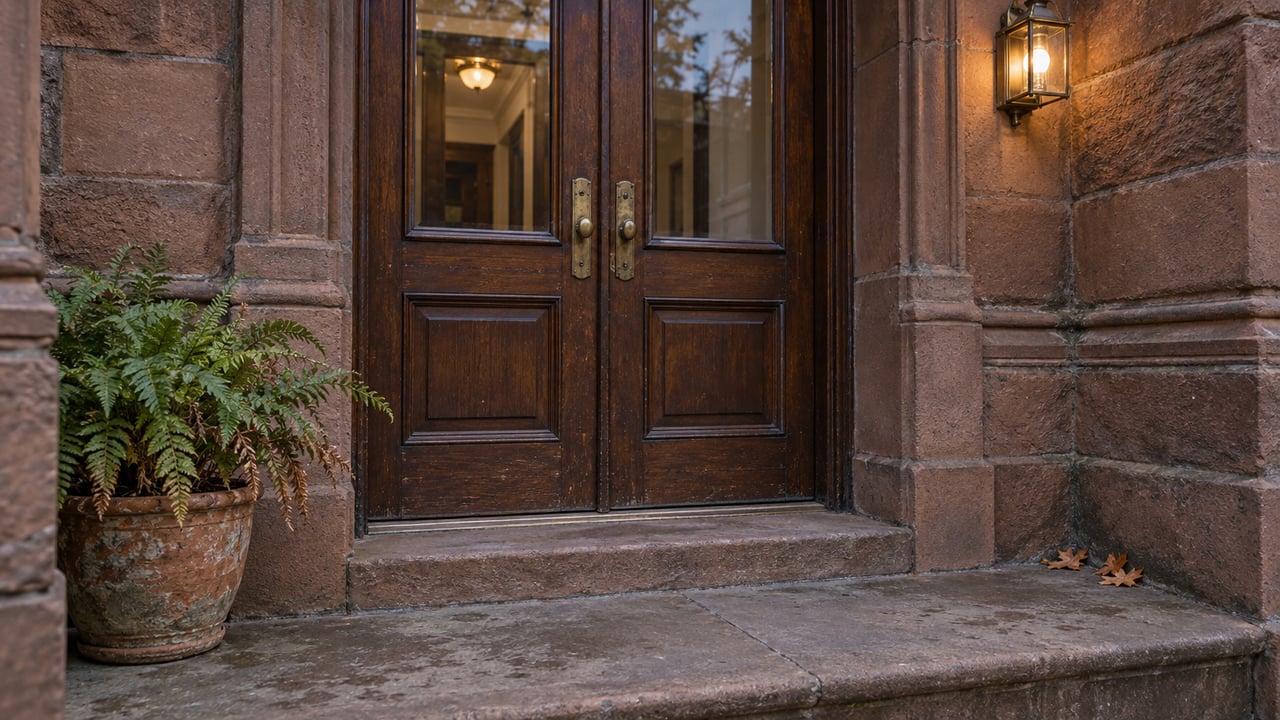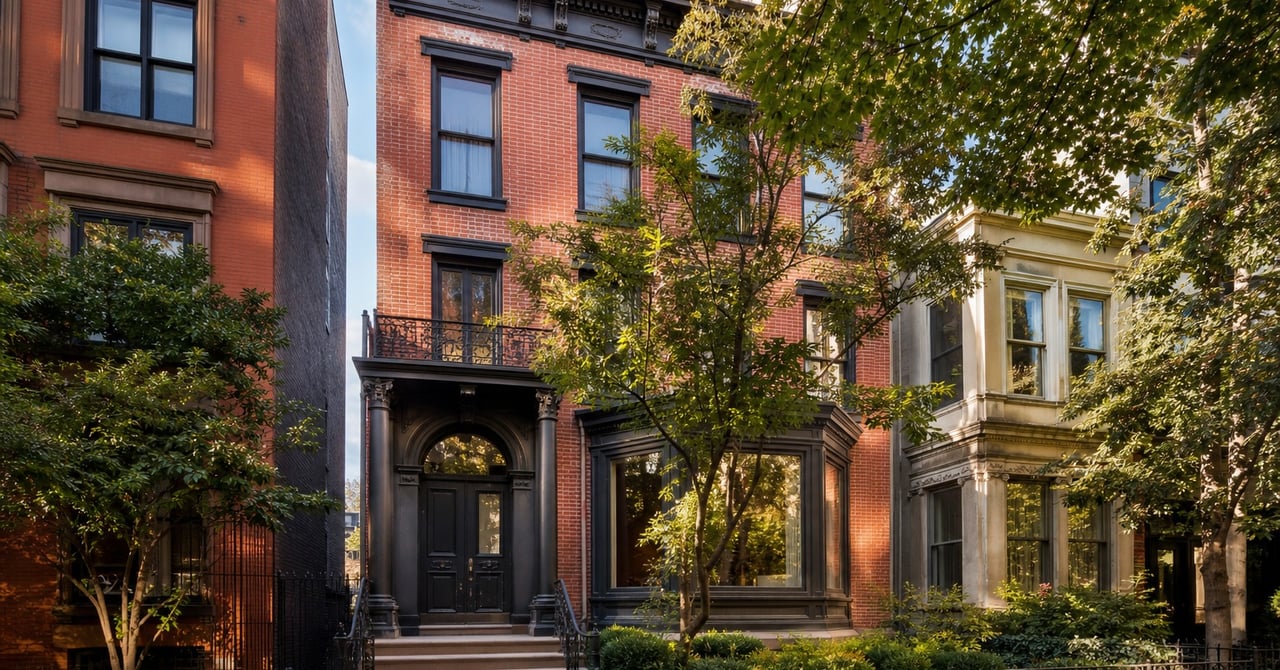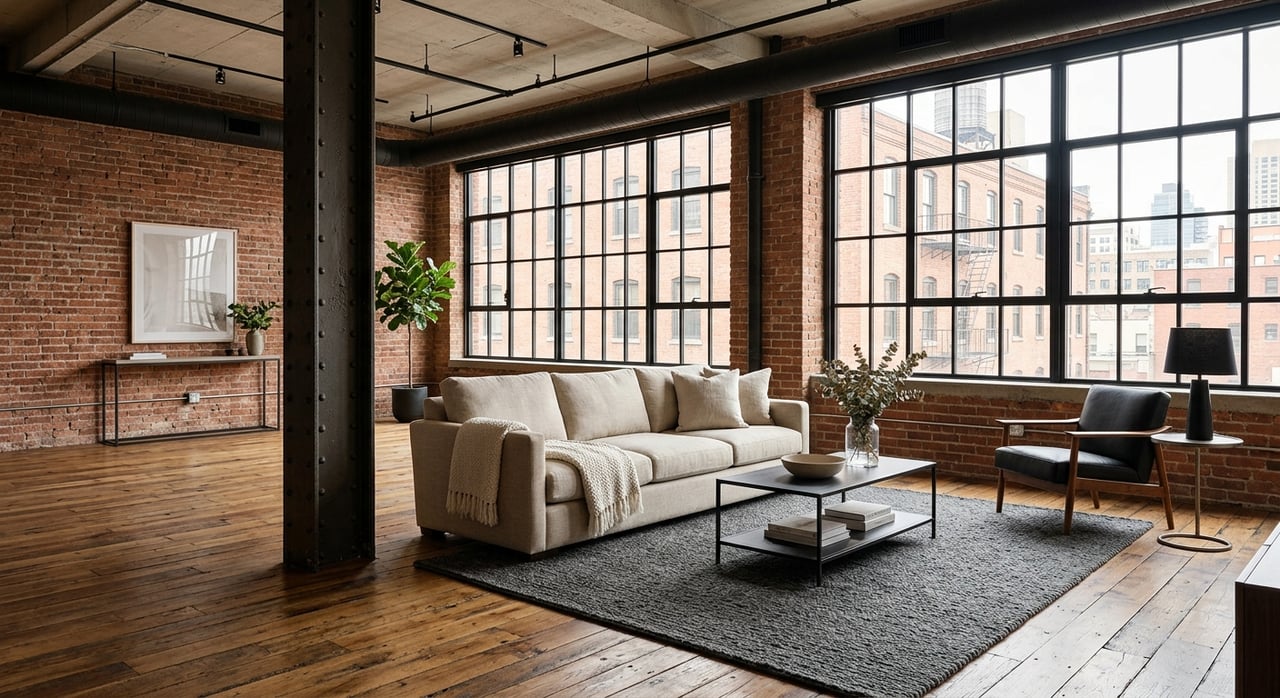
Selling a SoHo loft is not the same as selling a standard apartment. Buyers are often drawn to the soaring ceilings, oversized windows, cast-iron architecture, and open volume before anything else, but they still need help picturing how that dramatic space works as a real home. The right staging plan helps you highlight what makes your loft special while making it feel calm, functional, and easy to imagine living in. Let’s dive in.
Why SoHo loft staging is different
SoHo is defined by its architecture. New York City Planning describes the SoHo-Cast Iron Historic District as a 26-block area with about 500 buildings and the largest concentration of full and partial cast-iron facades in the world.
That context matters when you prepare a loft for sale. In many SoHo homes, the architecture is already a major selling feature, so your staging should support it, not compete with it. The goal is to let buyers notice the light, ceiling height, columns, brick, beams, and scale right away.
Many SoHo buildings are also landmarked. According to the Landmarks Preservation Commission, most exterior changes to designated buildings require advance approval, while interior work usually does not require LPC review unless it involves an interior landmark, affects the exterior, or needs a Department of Buildings permit.
For sellers, that usually means the smartest pre-sale updates are reversible and interior-focused. Think painting, lighting, furniture, deep cleaning, and decluttering rather than structural work.
Focus on livability and character
A SoHo loft should feel authentic, but it also needs to feel livable. Buyers may love an open industrial space in photos, yet still hesitate if they cannot quickly understand where they would relax, dine, work, or sleep.
That is one reason staging matters. In the National Association of Realtors 2023 Profile of Home Staging, 81% of buyers’ agents said staging made it easier for buyers to visualize a property as a future home.
In a loft, that benefit is especially important. Open space can feel inspiring, but it can also feel vague without the right visual cues.
Start with the biggest visual wins
Before you think about décor, start with the basics that have the biggest impact. A clean, edited, well-lit loft almost always shows better than one filled with too much furniture or too many personal items.
Focus first on these high-impact steps:
- Declutter surfaces, shelves, and corners
- Deep clean floors, windows, kitchens, and baths
- Repaint where needed using a clean, cohesive palette
- Update lighting if fixtures feel dim or dated
- Adjust furniture scale so rooms feel open and usable
These changes help buyers focus on the loft itself. They also improve photography, which matters because buyers often form their first impression online before they ever walk through the door.
Make the living room the hero
If you are deciding where to spend your time and budget, lead with the main living area. NAR’s 2023 staging research found that the living room was the most important room to stage, followed by the primary bedroom and kitchen.
That order makes sense in a SoHo loft. The living area often carries the biggest share of the visual impact, and it usually anchors the entire open-plan layout.
To make the living room stand out:
- Keep sightlines open to windows and architectural details
- Use fewer, better-scaled pieces instead of many small ones
- Float furniture to create a clear conversation area
- Add texture and warmth without overwhelming the room
- Limit accessories so the space feels finished, not crowded
A good rule is simple: the room should feel spacious, but never empty.
Define zones in an open layout
Open lofts still appeal to buyers, but many people now want better definition within large spaces. NAR’s reporting on open floor plans notes that buyers increasingly value clearer boundaries for privacy, remote work, clutter control, and noise management.
In a SoHo loft, you can create those boundaries without changing the architecture. The key is to stage distinct zones that read clearly at a glance.
Living zone
Use a rug, sofa placement, and a focused lighting plan to create a natural gathering area. This helps ground the largest part of the loft and gives buyers an immediate sense of scale.
Dining zone
A dining table can show how entertaining fits into the space without making the loft feel formal. Choose a table size that fits the proportions of the room and leaves breathing room around it.
Work zone
If there is room, carve out a simple desk area. Many buyers still value a defined work-from-home setup, and a small, intentional office vignette can make the layout feel more practical.
Sleeping zone
If the loft includes an open sleeping area or a flexible bedroom arrangement, stage it clearly and simply. Use rugs, lighting, and furniture placement to suggest privacy and function without making the space feel boxed in.
Use furniture that fits the scale
One of the most common staging mistakes in a loft is using furniture that is too small. Tiny pieces can make a large room feel awkward and unfinished.
At the same time, oversized furniture can block light and interrupt flow. The best staging plan uses pieces that match the room’s proportions while preserving openness.
In many SoHo lofts, this means:
- One strong seating group instead of multiple scattered chairs
- Substantial rugs that anchor each zone
- Clean-lined pieces that do not fight with historic details
- Enough negative space to showcase volume and circulation
When buyers can read the scale of the room easily, the loft feels more luxurious and more usable.
Soften industrial finishes
A SoHo loft should not lose its edge, but it should feel inviting. Brick walls, exposed columns, metal details, and hard surfaces are part of the appeal, yet too much visual heaviness can make a home feel cold.
Instead of trying to erase those features, soften them. NAR’s guidance on marketing dated spaces points toward cosmetic improvements like deep cleaning, paint, better lighting, and updated hardware when a full renovation is not the right move.
In a loft, that can translate to:
- Warm, layered lighting
- A restrained color palette
- Upholstery and rugs that add softness
- Coordinated finishes that reduce visual noise
- Fresh paint where needed to brighten the space
This approach keeps the loft’s character intact while making it easier for a broad pool of buyers to connect with it.
Know when to stage professionally
Some lofts benefit from professional staging more than others. This is often true if the apartment is vacant, if the layout is hard to interpret, or if the current décor makes the space feel overly dark, too personal, or more industrial than welcoming.
Professional staging can also help when your goal is to make the listing photography work harder. Since buyers often see the home online first, a polished, camera-ready presentation should be in place before photos and showings begin.
NAR’s 2023 staging report also found that 20% of buyers’ agents said staging increased the dollar value offered by 1% to 5% compared with similar unstaged homes. While every sale is different, that data helps explain why thoughtful presentation can be a worthwhile investment.
Consider Compass Concierge for updates
If your loft could benefit from staging or a few strategic improvements, budget does not always have to be a roadblock. Compass Concierge is designed to front the cost of certain seller improvements with zero due until closing.
According to Compass, eligible services can include staging, painting, flooring, deep cleaning, decluttering, cosmetic renovations, moving and storage, custom closet work, and kitchen or bathroom improvements, among other items.
For a SoHo seller, that can be especially useful when the best plan is not a full renovation but a set of focused, high-visibility upgrades. It gives you a way to improve presentation before the listing goes live while preserving flexibility.
Compass also states that repayment occurs when the home sells, when the listing agreement ends, or after 12 months from the program start date, and that fees or interest may apply depending on the state.
A smart SoHo staging checklist
If you want a practical way to think about your next steps, start here:
- Edit down furniture so the loft feels open
- Deep clean every visible surface and detail
- Refresh paint where walls feel tired or inconsistent
- Improve lighting to brighten key zones
- Stage the living room first, then the bedroom and kitchen
- Create clear areas for living, dining, work, and sleep
- Highlight windows, ceiling height, and historic details
- Keep accessories minimal and intentional
- Complete staging before photography
- If your building is landmarked, confirm whether planned work could trigger LPC review before making changes
The goal: a loft that feels effortless
The best-staged SoHo lofts do two things at once. They preserve the authenticity buyers come for, and they make daily life feel easy to picture.
That balance is what drives stronger first impressions. When your space feels bright, edited, warm, and clearly organized, buyers can focus on the value of the loft instead of the work they think they will need to do.
If you are preparing to sell in SoHo, a thoughtful staging plan can make a meaningful difference in how your home is perceived online and in person. If you want guidance on what to update, what to leave alone, and whether Compass Concierge makes sense for your sale, Heather Cooper can help you build a smart, market-ready plan.
FAQs
How should you stage a SoHo loft before selling?
- Focus on decluttering, deep cleaning, paint, lighting, and well-scaled furniture that highlights the loft’s openness, natural light, and historic details.
What rooms matter most when staging a SoHo loft?
- The living room should come first, followed by the primary bedroom and kitchen, based on NAR’s 2023 staging research.
How do you define spaces in an open-plan SoHo loft?
- Use rugs, furniture groupings, lighting, and art to create distinct living, dining, work, and sleeping zones without altering the architecture.
Do landmark rules affect staging in SoHo?
- Usually, staging and many interior cosmetic updates are straightforward, but if your building is landmarked, you should confirm whether any planned work could require LPC review.
Is professional staging worth it for a SoHo loft listing?
- It can be especially valuable if the loft is vacant, the layout is hard to read, or the current décor does not present the space in the strongest light.
What is Compass Concierge for SoHo home sellers?
- Compass Concierge is a program that can front the cost of eligible pre-sale improvements such as staging, painting, deep cleaning, decluttering, and certain cosmetic updates, with payment deferred until later under program terms.