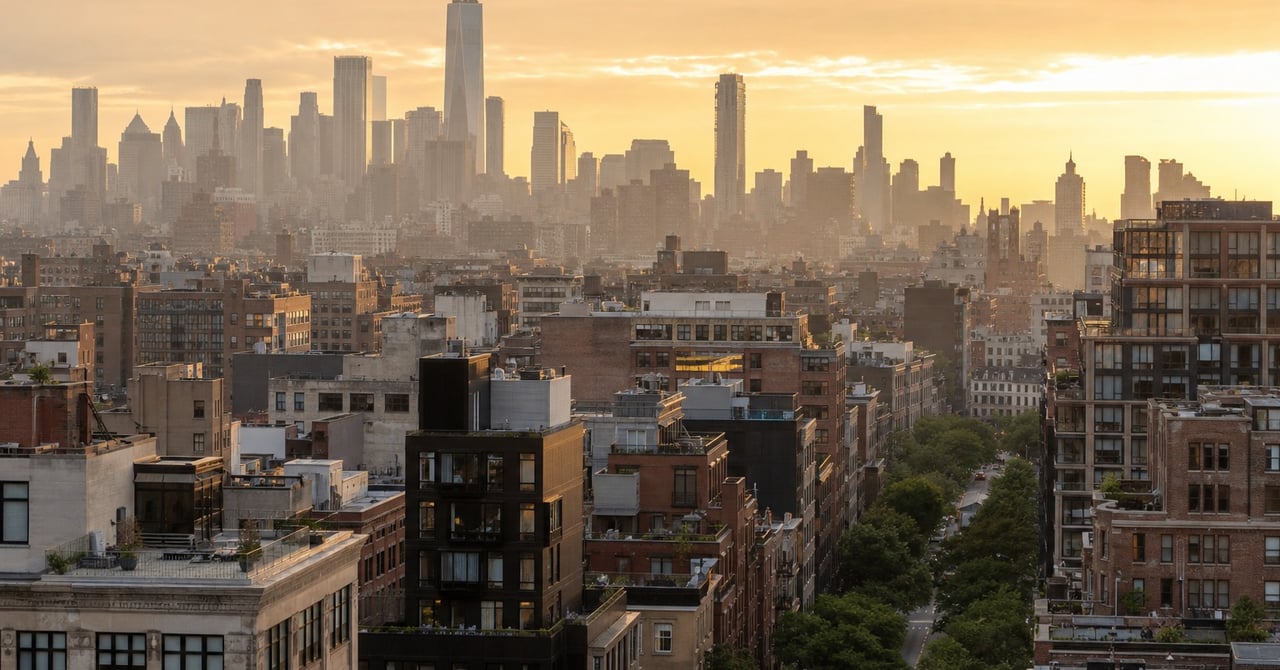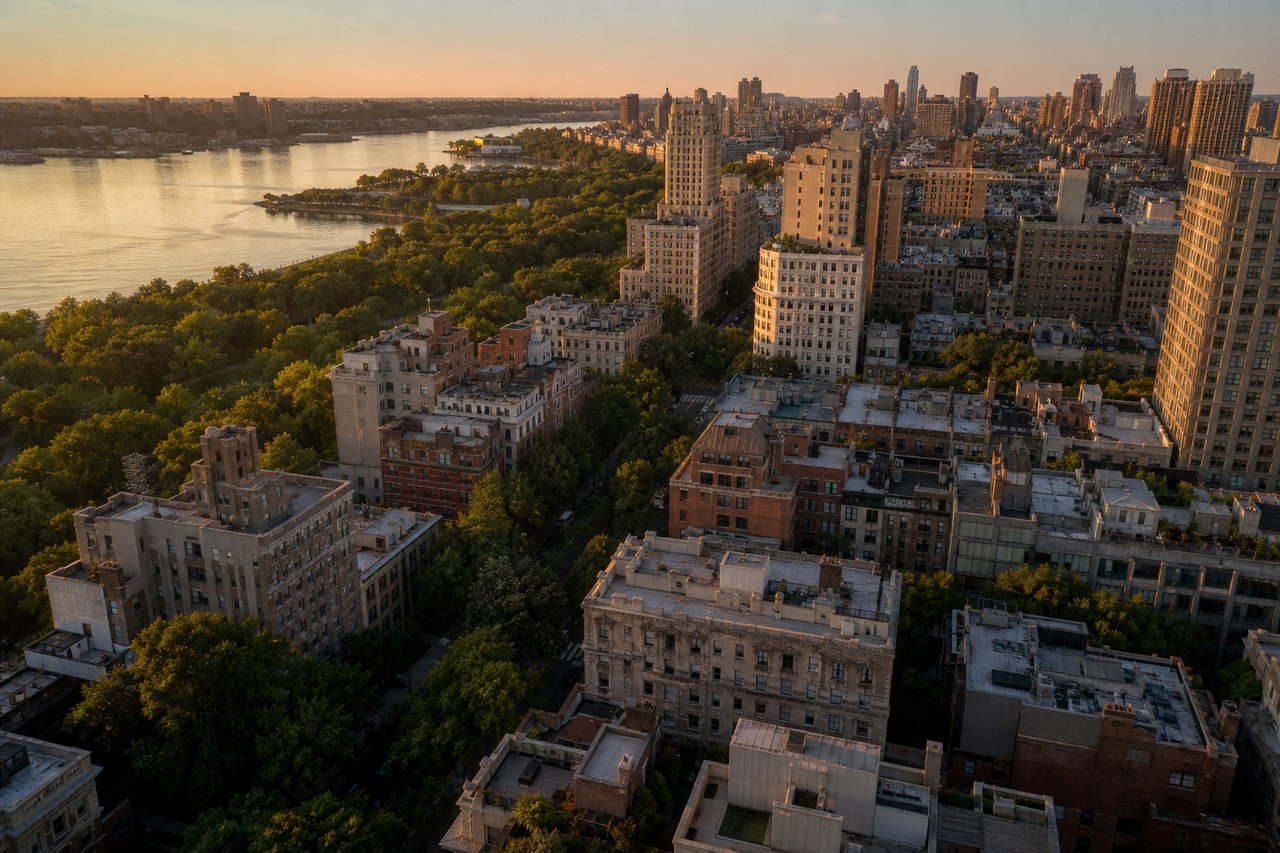
The Second Avenue Subway Phase 2 extension will bring three new Q train stations to 106th Street, 116th Street, and 125th Street, connecting the Upper East Side's northern edge to East Harlem and a major transit hub at Lexington Avenue. Heavy civil construction began in early 2026, with tunnel boring expected to start in 2027. Based on what Phase 1 did to buyer demand east of Third Avenue after 2017, the long-term case for properties near the new stations is compelling, though the price effects won't be fully measurable until service actually starts.
Where Phase 2 Is Headed and What It Means for the Neighborhood
Here's the geography that matters. The MTA's Phase 2 project extends the Q train roughly 1.5 miles north from its current terminus at 96th Street, adding stations at 106th Street, 116th Street, and a final stop at Harlem–125th Street near Lexington Avenue. That last station is a genuine hub: it connects to the 4/5/6 lines and sits close to the Metro-North Railroad stop at 125th Street and Park Avenue, giving riders one-seat or easy-transfer access to regional rail.
The two stations at 106th and 116th Streets fall in the eastern portion of East Harlem, directly north of the existing 96th Street Q stop. That means anyone buying north of 96th Street along Second Avenue, a corridor that has historically priced at a discount to the heart of the Upper East Side, now has a clear transit story to tell. That story takes time to price in fully, but it does price in.
What Phase 1 Taught Us
When Phase 1 opened in January 2017 with stations at 72nd, 86th, and 96th Streets, the market responded. Properties east of Third Avenue and close to Second Avenue gained a competitive edge that hadn't existed before. Proximity to the new Q stations became a genuine selling point in marketing language and pricing strategy for co-ops and condos in those blocks. No single official study pins an exact percentage on the lift, but the industry commentary and brokerage reporting from that period is consistent: the eastern Upper East Side became more accessible, and buyers noticed.
I walked clients through that shift in real time. The buildings that had always been slightly harder to sell, because they required a longer walk to the Lexington line, suddenly had a direct answer to the commute question. Phase 2 sets up the same dynamic for the blocks above 96th Street.
The Honest Timeline
I want to be straight with you here. The MTA Board has approved the tunneling contract, heavy civil construction started in early 2026, and tunnel boring is targeted for 2027, but service is not expected until around 2032. Any claim that Phase 2 has already moved prices in a quantifiable way would be getting ahead of the data. What we can say, responsibly, is that the infrastructure investment is real, the construction is underway, and the pattern from Phase 1 gives buyers and sellers a credible framework for thinking about long-term value near the new stations.
The Upper East Side Market Right Now
Whatever Phase 2 eventually adds, the Upper East Side is already one of the more active markets in Manhattan. Recent Zillow market data shows a median sale price of $1,375,000 across the neighborhood, with homes selling in a median of 21 days and 935 closed sales in roughly the last 90 days. That pace, just three weeks on market at the median, reflects a neighborhood where well-priced listings move. New inventory is coming in at about 129 listings per month against 953 active listings, so supply is present but not overwhelming.
For context on how the Upper East Side sits relative to other Manhattan and Brooklyn neighborhoods I work in, here's a snapshot from the same period:
Area | Median Sale Price | Median Days on Market |
|---|---|---|
NoHo | $3,062,500 | 33 |
Nolita | $2,600,000 | 53 |
SoHo | $3,360,000 | 50 |
Upper East Side | $1,400,000 | 19 |
Park Slope | $1,722,500 | 46 |
Midtown East | $736,250 | 24 |
The Upper East Side's 19-day median is the fastest on this list. That's not a coincidence, it reflects deep, consistent demand for a neighborhood with established infrastructure, diverse price points, and now a transit expansion story with real momentum behind it. According to Redfin's Upper East Side market data, prices were up approximately 5.9% year-over-year over the three months ending June 2026, with a median sale price around $1.4 million in that period.
Individual values vary considerably by property type, condition, floor, and exact block. The Upper East Side carries a wide mix of prewar co-ops, postwar high-rise co-ops and condos, boutique condos, and a limited number of townhouses, and each category trades differently. If you want to know what a specific building or unit is actually worth today, that requires a building-level conversation, not a neighborhood median. That's exactly what I do before any client makes an offer or sets a list price.
Construction Impact: The Near-Term Reality
One thing buyers and sellers along Second Avenue above 96th Street should factor in: construction disruption is real and ongoing. Phase 1 brought street closures, staging areas, and noise to blocks along Second Avenue for years before the trains ran. Phase 2 will do the same. That near-term friction can create pricing opportunities for buyers willing to look past temporary inconvenience, and it's worth understanding before you list a property directly on the construction corridor. Long-term, the transit benefit has historically outweighed the construction period. But timing matters, and every situation is different.
If you're thinking about buying or selling near the Phase 2 corridor, I'd encourage you to read my post on finding off-market apartments on the Upper East Side, some of the best opportunities in a construction-adjacent market never hit StreetEasy at all. And if you're weighing property types, my breakdown of how to sell a one-bedroom on the Upper East Side walks through what actually drives outcomes here.
What Buyers and Sellers Should Be Thinking About Now
The question I hear most often is some version of: "Should I pay more to be closer to the Q, or wait and see?" Here's how I think about it.
For buyers, the transit-oriented premium near Phase 1 stations didn't appear overnight, it built gradually as the service became part of daily life. If Phase 2 follows the same arc, the window to buy near 106th or 116th Street before the full premium is priced in is arguably open right now, during construction. That comes with near-term trade-offs (noise, street access, construction staging) that a buyer needs to evaluate honestly. The broader transit-oriented development literature supports the long-term value thesis, but no investment is guaranteed, and every building has its own dynamics.
For sellers, the Phase 2 story is a legitimate part of your marketing narrative if you're north of 96th Street or in the blocks that will benefit from improved connectivity to the 125th Street hub. I price with disciplined, data-driven analysis, not a transit narrative alone, but a credible, well-documented transit improvement does factor into how sophisticated buyers evaluate a neighborhood's trajectory. The key is presenting it accurately: construction is underway, service is targeted for around 2032, and the pattern from Phase 1 supports optimism without overpromising.
On the co-op side specifically: board approval, financials, and building-level due diligence remain the most important variables in any Upper East Side transaction, transit story or not. Understanding a building's financials and board requirements before you offer is half the battle, and that's true whether you're one block from a future station or ten.
The MTA's project page is the best place to track construction milestones as they're announced. For a broader look at how infrastructure shapes Manhattan values, my post on how the High Line shaped Chelsea condo demand covers the same dynamic in a different neighborhood, the parallels are instructive.
Your specific situation, the building, the unit, your timeline, and your goals, is what determines the right move. That's the conversation worth having.
If you'd like to check out what others have said about working with me, you can read my reviews on Google and Zillow.
Frequently Asked Questions
How will the Second Avenue Subway extension to 125th Street affect Upper East Side home values?
Based on what Phase 1 did after opening in 2017, proximity to new Q train stations tends to increase buyer demand and support stronger pricing for properties in the surrounding blocks. Phase 2 stations at 106th, 116th, and 125th Streets are under construction now, with service targeted for around 2032. The actual price effect won't be fully measurable until trains are running, but the historical pattern and the scale of the infrastructure investment give the long-term value case real credibility.
Is it worth paying more to buy a condo closer to the Q train on Second Avenue?
It depends on your timeline and tolerance for near-term construction disruption. Properties closer to Phase 2 stations are in an active construction corridor right now, which can create buying opportunities before the full transit premium is priced in. The trade-off is noise, street closures, and staging impacts that will continue for several years. If you're buying for the long term and can look past the construction period, the transit story is legitimate, but every building and unit needs to be evaluated on its own merits.
Will the new Second Avenue Subway Phase 2 make my commute from the Upper East Side faster?
For residents above 96th Street on or near Second Avenue, yes, significantly. Right now, that corridor relies heavily on the crowded Lexington Avenue 4/5/6 lines, which require a crosstown walk from Second Avenue. The new Q stations at 106th and 116th Streets will put direct subway access on Second Avenue for the first time. The 125th Street terminus also connects to the 4/5/6 and sits close to Metro-North at Park Avenue, adding regional rail options for commuters heading north.
How far in advance of a subway opening do property values usually react in New York City?
In New York, the market tends to begin incorporating transit improvements into pricing well before opening day, sometimes years in advance, as construction milestones confirm that service is actually coming. With Phase 2, heavy civil construction started in early 2026 and tunnel boring is set to begin in 2027, so the project is past the "announcement" stage and into tangible progress. That said, the most measurable price movement historically follows actual service, not groundbreaking. Buyers who act during construction are essentially making a forward-looking bet on a well-documented pattern.
Does living near the Second Avenue Subway increase noise or traffic compared to other parts of the Upper East Side?
During construction, yes, street closures, heavy equipment, and staging areas have been a documented reality along Second Avenue since Phase 1 work began. Long-time residents on the corridor experienced those impacts for years before the trains ran. Once service is operating, the subway itself runs underground, so operational noise is minimal compared to above-ground transit. The near-term disruption is real and worth factoring into a purchase decision; the long-term livability benefit is what the Phase 1 experience consistently shows.
The Upper East Side's transit transformation is one of the more significant long-term real estate stories in Manhattan right now. Whether you're buying, selling, or just thinking through your options, I'm happy to walk you through what it means for your specific situation. Let's connect and talk through the numbers.
Equal Housing Opportunity. Heather M. Cooper is a Licensed Associate Real Estate Broker and Certified Negotiation Expert licensed by the New York Department of State, Division of Licensing Services; member of REBNY. This article is general information only and is not legal, tax, or financial advice. Readers should confirm their own numbers and circumstances with their attorney, tax advisor, lender, or closing officer.