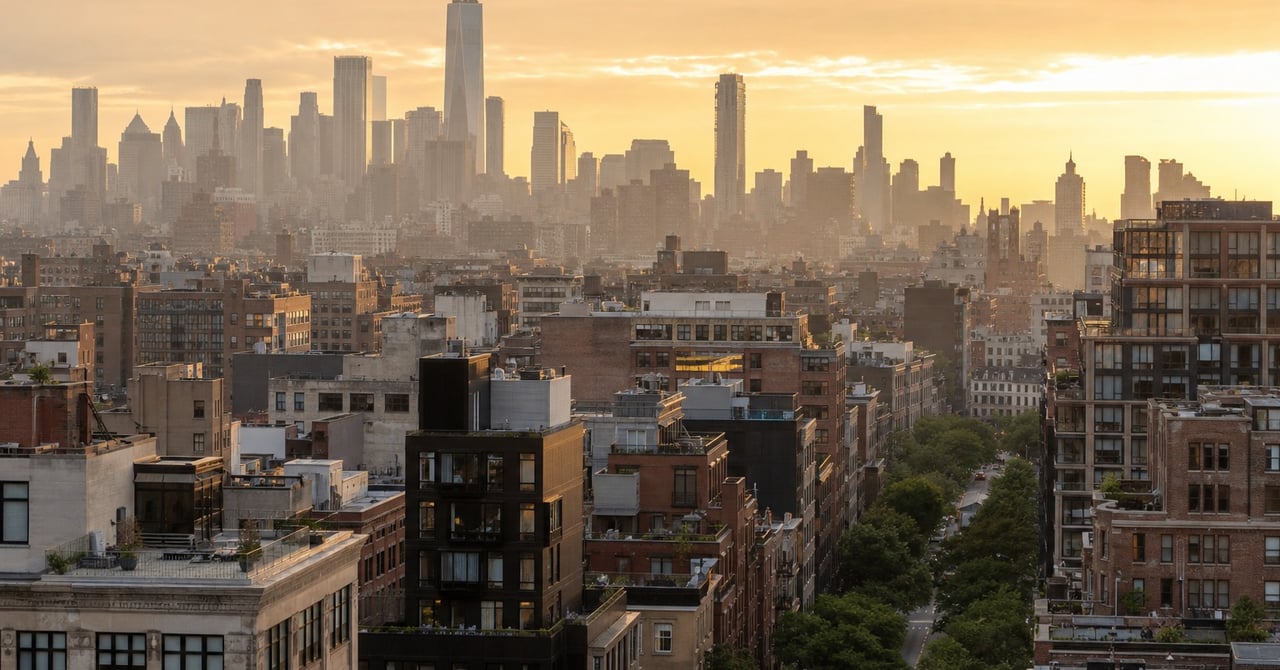
If you are trying to picture daily life on the Upper West Side, start with this: few Manhattan neighborhoods are framed so clearly by open space. With Central Park on one side and Riverside Park on the other, the area offers a distinct rhythm that feels residential, walkable, and deeply tied to the streets between those two edges. If you want to understand what it is actually like to live here, not just visit, this guide will help you read the blocks, avenues, housing mix, and everyday flow. Let’s dive in.
What “between the parks” really means
The Upper West Side sits between the Hudson River and Central Park West, stretching roughly from West 60th Street and Columbus Circle up to Cathedral Parkway at West 110th Street, according to Manhattan Community Board 7. That geography is more than a map detail. It shapes how you move through the neighborhood and how the neighborhood feels block by block.
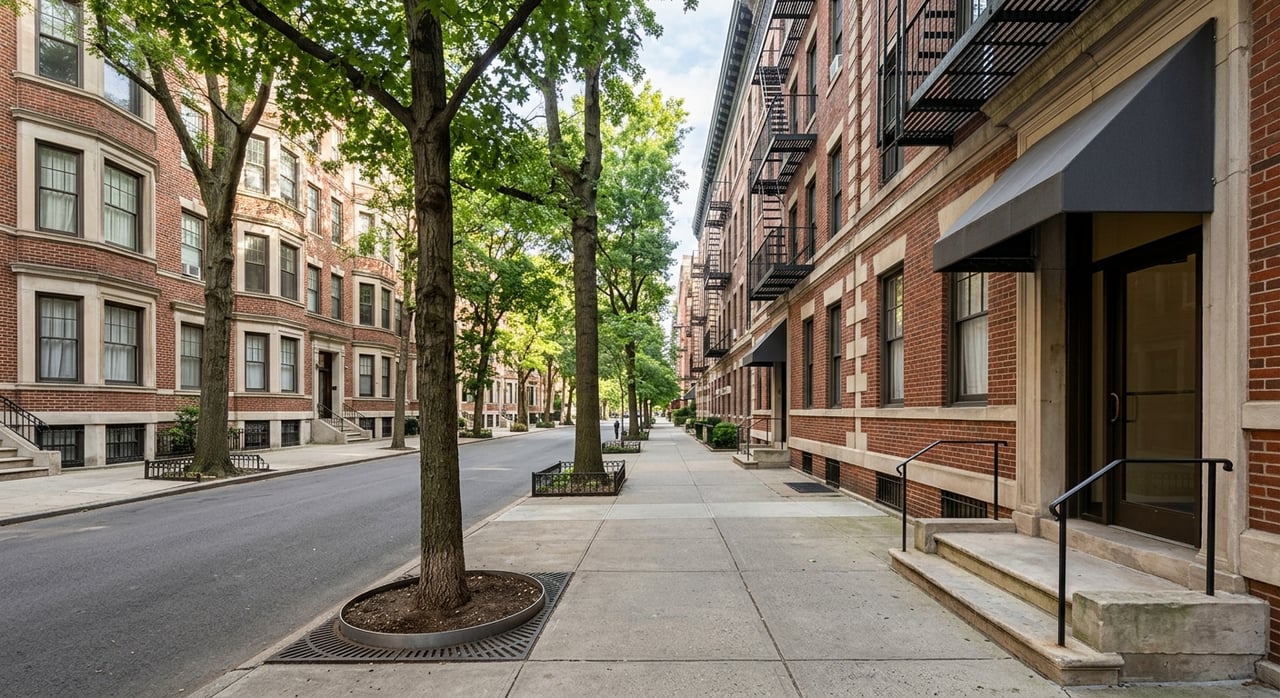
This is a dense, mostly residential part of Manhattan, with retail concentrated on Broadway, Amsterdam Avenue, and Columbus Avenue. Many side streets have little to no commercial space, so a short walk off an avenue can quickly feel calmer and more residential. That contrast is a big part of the Upper West Side’s identity.
Parks anchor everyday life
On the east side, Central Park runs from 59th Street to 110th Street between Fifth Avenue and Central Park West. On the west side, Riverside Park stretches four miles from 72nd to 158th Streets along the Hudson River and includes the Manhattan Waterfront Greenway, a marina, sports courts, running tracks, and other recreation spaces.
What matters for you as a buyer or future resident is that these parks function like everyday infrastructure. A morning walk, a run after work, a playground stop, or a weekend bike ride does not need to be a special outing. Outdoor space is built into the neighborhood’s daily routine.
Avenue-by-avenue feel
One of the easiest ways to understand the Upper West Side is to compare its main north-south corridors. Each one has a different pace and streetscape, which can have a real impact on how your home location feels day to day.
Central Park West feels formal
Central Park West has a more formal, park-facing character, shaped by landmark apartment houses and major institutions. The American Museum of Natural History at 200 Central Park West is one of the clearest anchors here, with entrances from Central Park West, 81st Street, and Columbus Avenue.
If you are drawn to grand facades, direct park access, and a strong architectural presence, this stretch often delivers that sense of arrival. It can feel visually iconic while still being part of a neighborhood with a steady residential rhythm.
Broadway moves the fastest
Broadway is the busiest commercial spine on the Upper West Side. City Planning notes that it can accommodate larger commercial spaces and banks, which helps explain why it often feels more active and intense than the other avenues.
For some buyers, that means convenience and energy. For others, it means deciding whether they would rather live on Broadway itself or on a nearby side street that offers easier access to shops while keeping a quieter home base.
Amsterdam and Columbus feel neighborhood-scaled
City Planning’s retail study describes Amsterdam and Columbus as corridors meant to preserve a multi-store character, with small storefronts, neighborhood services, and an active pedestrian environment. In practical terms, these avenues often feel more local in scale.
The Columbus Avenue BID describes its district as home to about 200 shops and restaurants, with outdoor cafes and a vibrant commercial corridor that includes the museum and Theodore Roosevelt Park. Add in street seats, bike parking corrals, and the city’s permanent outdoor dining program, and the result is an evening scene centered more on dinner, coffee, and conversation than late-night nightlife.
West End Avenue and Riverside Drive feel quieter
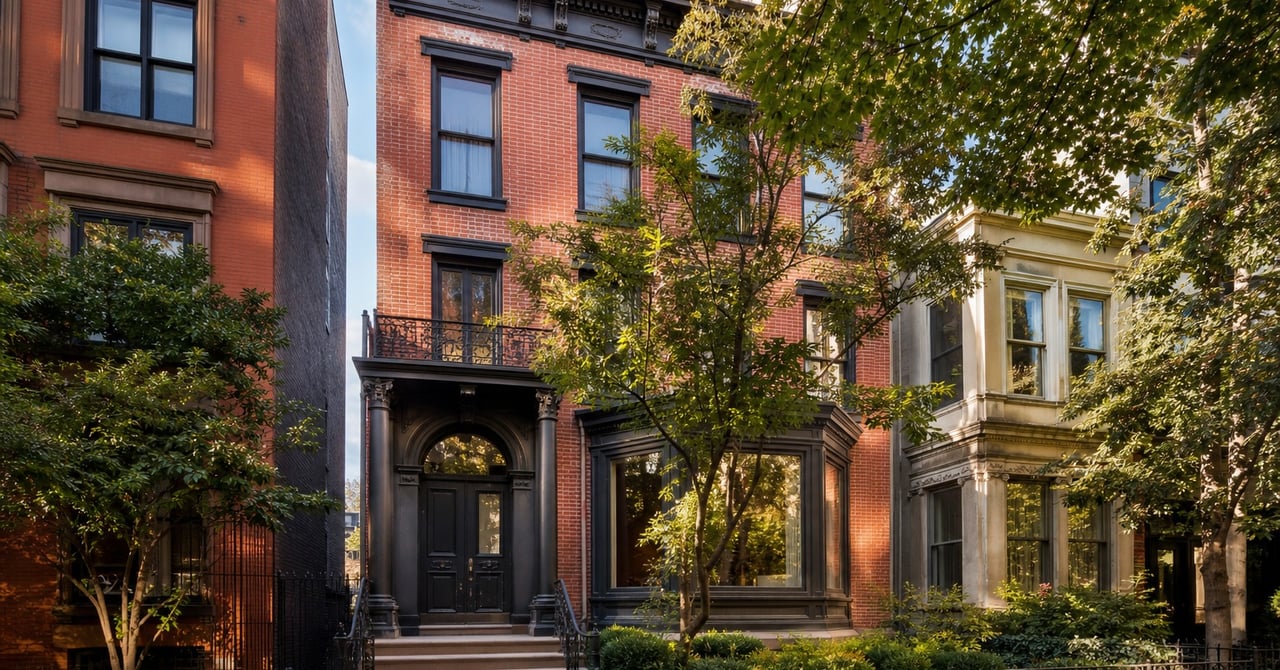
West End Avenue and Riverside Drive tend to read as more residential. Landmark materials describe historic townhouses, rowhouses, and brownstones mixed with later apartment buildings, especially along Riverside and nearby blocks.
If your priority is a quieter feel with easier access to the riverfront park, these stretches may stand out. They often appeal to buyers who want a classic Upper West Side setting with a little more separation from the busiest retail corridors.
Cross streets change the tone quickly
One of the neighborhood’s most appealing traits is how quickly the tone shifts when you leave the avenues. Cross streets generally feel calmer and more pedestrian-oriented, except where they connect to larger destinations like Lincoln Center or park transverses.
That means the exact location of an apartment matters. Two homes only a block or two apart can offer noticeably different day-to-day experiences.
Cultural landmarks are part of the routine
The Upper West Side is not just residential. It also has major institutions woven into everyday life.
The American Museum of Natural History is one of the neighborhood’s most recognizable landmarks, but for locals, it often functions as more than a destination. It becomes part of the regular streetscape, the kind of place you walk past on errands or use as a reference point when navigating the neighborhood.
Lincoln Center is another major anchor at the southern end of the neighborhood. Its 16.3-acre campus houses 11 arts and arts-education nonprofits, and planning efforts on the Amsterdam Avenue side are intended to better connect it to neighborhood life.
For you, that means the Upper West Side offers a mix that can be hard to replicate elsewhere in Manhattan: residential blocks, major green space, and cultural institutions all within the same daily orbit.
Housing stock and architectural character
If you are shopping on the Upper West Side, the built fabric matters because it strongly influences what inventory looks like. Landmarks Preservation Commission materials show that development started with late-19th-century townhouses and rowhouses, then shifted toward apartment buildings after the 1904 IRT subway expansion.
Today, the neighborhood reads largely as prewar apartment-house territory, especially around Central Park West, Riverside Drive, West End Avenue, and many landmarked blocks in between. On quieter side streets, you will still find rows of brownstones and townhouses that reflect the area’s earlier development pattern.
For buyers considering co-ops or condos, this helps explain why so much of the Upper West Side inventory has a classic Manhattan feel. Building type, block character, and avenue proximity often shape not just aesthetics, but also your day-to-day experience of noise, light, traffic, and convenience.
What daily errands feel like
The Upper West Side works well for people who like to do life on foot. Because retail is concentrated on a few main corridors, errands often follow a familiar pattern: avenue for groceries, coffee, pharmacy, or dinner, then back to a quieter block.
That setup creates a practical balance. You can have access to neighborhood services and restaurants without feeling like every street has the same level of activity.
This pattern also gives the neighborhood a more routine-driven quality. Compared with parts of Manhattan centered around office towers or late-night entertainment, the Upper West Side tends to feel more oriented around daily living, park access, and local destinations.
Why buyers are drawn here
For many Manhattan buyers, the Upper West Side stands out because it offers a clear sense of place. The boundaries are easy to understand, the architecture is distinctive, and the neighborhood has a strong everyday identity.
You may be drawn to it if you want:
- Easy access to both Central Park and Riverside Park
- A residential setting with active retail corridors
- Classic prewar apartment buildings and landmarked streetscapes
- A walkable routine centered on errands, dining, and outdoor space
- Cultural institutions that feel integrated into the neighborhood
That does not mean every block feels the same. In fact, one of the most important parts of a successful search here is learning how avenue choice and exact block location affect your lifestyle.
How to think about your home search
If you are considering a co-op or condo on the Upper West Side, it helps to compare homes through the lens of daily rhythm, not just square footage or finish level. A beautiful apartment on a busy avenue may live very differently from a similar home on a side street or closer to Riverside.
As you tour, pay attention to questions like:
- How quickly can you get to the park you will use most?
- Do you want immediate access to restaurants and services, or a quieter block?
- Does the avenue feel like part of your lifestyle, or something you would rather be near than on?
- Is the building in a more formal park-facing setting or a softer residential stretch?
Those small distinctions can make a big difference in how a home feels once you actually live in it.
If you want help weighing those tradeoffs, Heather Cooper offers the kind of neighborhood-specific guidance that can make a Manhattan search feel much more focused and much less overwhelming. Whether you are buying your first co-op, looking for the right condo, or trying to narrow down which Upper West Side blocks best fit your routine, a local, detail-oriented strategy can save you time and help you make a more confident decision.
FAQs
What does “between the parks” mean on the Upper West Side?
- It refers to the Upper West Side’s location between Central Park on the east and Riverside Park along the Hudson River on the west, which strongly shapes daily life and neighborhood identity.
What are the main commercial avenues on the Upper West Side?
- The main retail corridors are Broadway, Amsterdam Avenue, and Columbus Avenue, with Broadway generally feeling busier and Amsterdam and Columbus often feeling more neighborhood-scaled.
What is the housing stock like on the Upper West Side?
- The area is known for prewar apartment buildings, especially near Central Park West, Riverside Drive, and West End Avenue, along with brownstones, rowhouses, and townhouses on quieter side streets.
What is daily life like near Riverside Park on the Upper West Side?
- Living near Riverside Park can offer convenient access to the waterfront greenway, running paths, sports facilities, and a quieter, more residential feel than some of the busier interior avenues.
What cultural landmarks shape life on the Upper West Side?
- Major neighborhood anchors include the American Museum of Natural History and Lincoln Center, both of which are integrated into the daily streetscape and neighborhood routine.