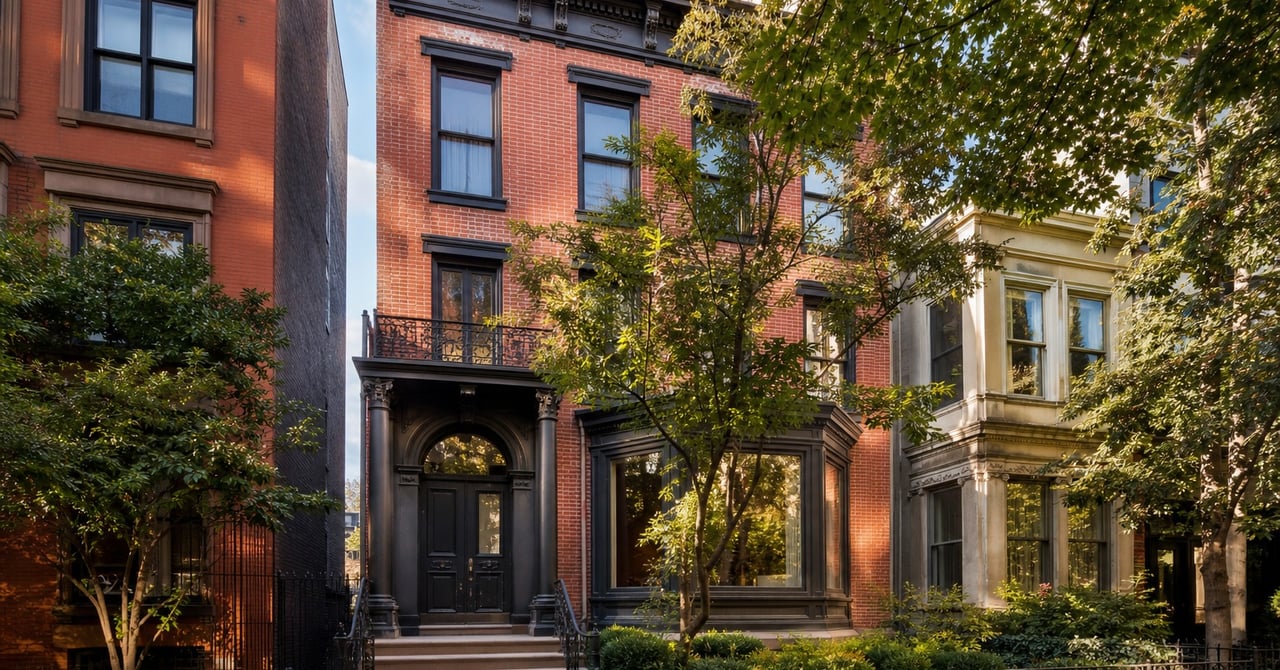
Manhattan’s rental market has reached a level of pressure that is actively reshaping buyer behavior. Renters are facing higher lease renewals, reduced concessions, and intense competition for quality apartments. This is not just a temporary spike. It is a structural constraint driven by limited supply and consistent demand.
As a result, many Manhattan renters are no longer waiting for ideal buying conditions. They are reevaluating the long term cost of renting versus owning and moving into the purchase market with greater urgency. This shift is already influencing demand patterns, particularly in entry level price points.
Local Market Context
Rental inventory in Manhattan remains tight across core neighborhoods including the Upper East Side, West Village, and Financial District. Well priced units are moving quickly, often with multiple applicants and minimal negotiation.
On the sales side, Manhattan is offering a more balanced environment. Pricing has remained stable in many segments, but the intensity of bidding wars has moderated compared to prior peaks. This creates a window where prepared buyers can negotiate terms, conduct thorough due diligence, and avoid the extreme pressure seen in previous cycles.
This contrast between rental pressure and purchase stability is what is driving renters into the buying market.
Why Manhattan Renters Are Making the Shift
The financial equation is changing. While owning in Manhattan can still carry a higher monthly cost, the gap between renting and owning has narrowed due to sustained rent increases.
In neighborhoods like the Upper East Side, co-ops offer relatively predictable monthly expenses compared to fluctuating rents. In condo heavy areas like the Financial District, renters are seeing opportunities to secure long term housing with modern amenities and less uncertainty.
There is also a behavioral shift. Renters are increasingly prioritizing stability, control, and the ability to build equity over flexibility. Annual rent increases and competitive leasing cycles are pushing many to seek a more permanent solution.
Where Renters Are Buying in Manhattan
Upper East Side
This remains one of the most active areas for renters transitioning to buyers. The co-op market provides more accessible price points and a wide range of inventory. Buyers are targeting well maintained buildings with strong financials and reasonable maintenance.
Financial District
The Financial District offers a concentration of condo inventory, often in converted or newer buildings. Renters who are accustomed to amenity driven living are finding comparable ownership opportunities here.
Harlem
Harlem continues to attract buyers seeking larger space and long term growth potential. Former renters priced out of downtown neighborhoods are finding value in both condos and co-ops.
Murray Hill
This area is drawing younger buyers who want proximity to Midtown employment hubs. Entry level co-ops and smaller condos are seeing increased interest from renters ready to purchase.
What This Means for Entry Level Buyers
Entry level buyers in Manhattan are facing a new competitive dynamic. Instead of primarily competing with investors, they are increasingly competing with other renters who have reached a similar decision point.
Key areas of activity include:
-
One bedroom condos in the Financial District and Midtown East
-
Starter co-ops in the Upper East Side and Murray Hill
-
Smaller two bedroom units in Harlem
While demand is increasing, the market is not overheated. Buyers who are financially prepared and understand co-op requirements can still negotiate favorable terms, particularly on properties that have been on the market longer.
Key Considerations for Renters Turning Buyers in Manhattan
-
Co-op versus condo decision
Co-ops often offer lower purchase prices but require board approval and stricter financial review. -
Monthly carrying costs
Maintenance and common charges must be evaluated alongside mortgage payments. -
Liquidity requirements
Many Manhattan co-ops require significant post closing reserves. -
Building quality and financials
Strong building management and reserve funds are critical for long term stability. -
Neighborhood trade offs
Buyers may need to balance location, space, and price more carefully than in the rental market.
FAQ Section
Is it cheaper to buy than rent in Manhattan right now?
In most cases, monthly ownership costs are still higher. However, rising rents are narrowing the gap and making ownership more competitive over time.
Are co-ops a good option for former renters?
Yes, especially for buyers seeking lower entry prices. However, co-ops require board approval and financial scrutiny that renters need to prepare for.
Which Manhattan neighborhoods offer the best value for buyers?
The Upper East Side, Harlem, and parts of Midtown East offer strong value relative to other areas, particularly for entry level buyers.
Are bidding wars common in Manhattan right now?
They are selective. Well priced properties in desirable buildings attract competition, but many listings allow for negotiation.
Should renters wait for mortgage rates to drop further?
Waiting is a personal decision, but rental costs may continue rising. Many buyers are choosing to act based on current affordability rather than timing rates.
What property types are most in demand from renters?
One-bedroom condos and entry level co-ops are the most active segments for renters entering the market.
Expert Insight
In Manhattan, this shift is grounded in practical decision making. Renters are recognizing that continued exposure to rising rents limits their financial flexibility and long term planning.
The opportunity today lies in a more balanced sales market. Buyers who understand co op structures, evaluate building financials carefully, and act decisively can secure properties with long term value. This is not about market timing. It is about making a calculated transition based on current conditions.
Manhattan’s rental pressure is no longer just a leasing issue. It is a catalyst that is pushing renters into the buying market with increased urgency. Stable pricing, improved negotiation conditions, and sustained rental costs are combining to create a clear decision point.
For renters considering ownership, the focus should be on preparation, financial clarity, and identifying neighborhoods that align with both budget and long term goals.
I am Heather M Cooper with Compass, and I have spent years advising clients across Manhattan through changing market cycles. I work closely with renters transitioning into ownership, helping them navigate co op and condo decisions, evaluate financial requirements, and secure properties that align with long term goals. My approach is grounded in real transaction experience and a deep understanding of the Manhattan market.