Buying your first co-op in Gramercy can feel exciting right up until you hear the words board package and board interview. If you are new to Manhattan real estate, it is normal to wonder how intense the process really is and what a board wants to see. The good news is that co-op board approval is usually less about mystery and more about preparation, consistency, and fit with the building’s requirements. Let’s dive in.
Why Gramercy co-op boards matter
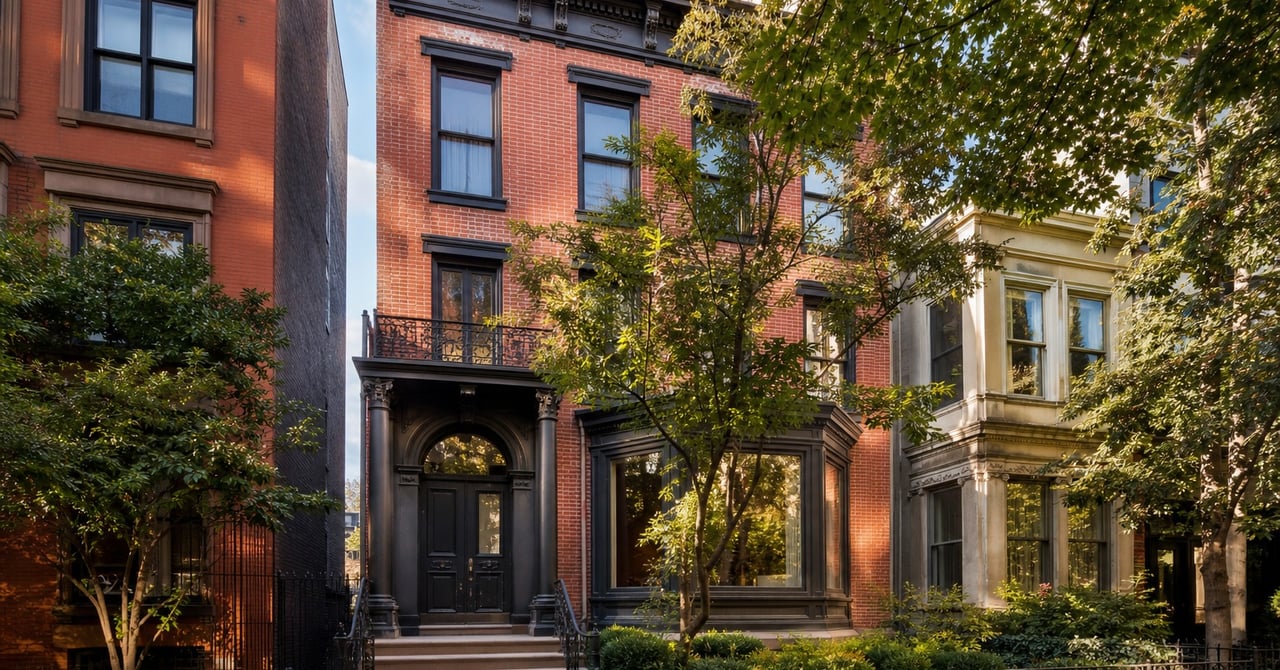
Gramercy Park is known for its classic Manhattan housing mix, including upscale co-ops, townhouses, and longstanding residential buildings. In this neighborhood, board approval is a standard part of many purchases, so it is not a sign that something is wrong with the deal. It is simply part of how many co-op transactions work.
When you buy a co-op, you are not purchasing real property in the same way you would with a condo. Instead, you buy shares in a corporation and receive a proprietary lease for the apartment. You also pay monthly maintenance charges, which often help cover building expenses such as property taxes, utilities, staff, the underlying mortgage, and ongoing upkeep.
What Gramercy co-op boards review
Most boards want a detailed picture of your finances, employment, and overall readiness to own in the building. That review usually happens through the board package, which includes personal, professional, and financial records. While each building has its own rules, the overall goal is similar: the board wants a complete and clear application.
In many buildings, you should expect to provide documents such as:
- Signed tax returns
- W-2s
- Pay stubs or proof of employment
- Financial statements for bank, investment, and other accounts
- Reference letters
- Loan application documents if you are financing
- Mortgage commitment letter if applicable
- Recognition agreements if required by the building
Many boards also look for a financial profile that fits common co-op norms. Current market guidance often points to a down payment of roughly 20% to 30%, a debt-to-income ratio below about 30%, and enough post-closing liquidity to cover about a year of mortgage and maintenance costs. These are not universal rules, but they are useful benchmarks because they show why boards pay close attention to reserves and documentation.
Why first-time buyers get stressed
For many first-time buyers, the hardest part is not the paperwork itself. It is the feeling that every detail is being closely examined. That feeling is real, but the process tends to go more smoothly when you understand what boards are actually focused on.
In practice, boards often pay extra attention to a few common pressure points. These can include weak liquidity, unstable employment, incomplete packages, plans to use the apartment as a secondary home, subletting intentions, and interview performance. If you know those issues upfront, you can prepare for them instead of being surprised later.
How to build a cleaner board package
The best way to reduce stress is to start early. Buyers are often asked to submit a board package about 10 days after contract signing, which is not much time if you are still hunting down statements, letters, or explanations for unusual account activity.
A strong package is usually one where the numbers match everywhere. Your tax returns, bank statements, employment records, and financial disclosure forms should tell the same story. If something stands out, like a recent large deposit or a change in income, it is usually better to explain it clearly than leave the board to make assumptions.
Keep your documents organized
Before you are under deadline, create a simple system for your records. Group documents by category so you can move quickly once the building provides its exact list of requirements.
A basic checklist might include:
- Personal identification documents
- Two years of tax returns
- Recent pay stubs or employment verification
- Bank and brokerage statements
- Retirement account statements
- Reference letters
- Mortgage documents, if financing
- Written explanations for any unusual financial items
Prepare for variable income
If you are self-employed or have variable compensation, expect more scrutiny around income stability. Lenders often review credit, income, assets, and property details, and self-employed borrowers are commonly asked for two years of tax returns plus business financials like profit-and-loss statements or balance sheets.
That means it helps to separate your business and personal records well before the package deadline. Clean records make it easier for your lender, your attorney, and the board to understand your financial picture.
Do due diligence before signing
Board approval matters, but so does the building itself. Before signing a purchase agreement, the New York State Attorney General recommends reviewing the full offering plan, reading board minutes from the prior year, checking the most recent financial report for defect-related footnotes, and looking for posted violations.
This step can help you separate emotional excitement from building-level risk. For a first-time buyer, that is especially valuable because the apartment may feel perfect while the building documents tell a more complicated story. An attorney can help you review these materials before you commit.
Your team matters more than you think
A smooth co-op purchase usually depends on more than one person. Your buyer’s agent, lender, and attorney each play a different role, and the process is easier when everyone is coordinated early.
Your agent helps gather the building’s transfer requirements and can guide you through package prep and interview expectations. Your lender provides financing documents and explanations the board may require. Your attorney reviews the offering plan and legal documents so you understand the transaction before signing.
For first-time buyers in Manhattan, this support can make the process feel far less overwhelming. Instead of trying to guess what a board wants, you are working from a clearer roadmap.
What the board interview feels like
The co-op board interview is often the part buyers fear most. In reality, it is usually brief and focused. You should expect questions about your employment, finances, why you chose the building, and any plans that could affect the building, such as renovations, pets, or subletting.
The strongest interview approach is simple. Be on time, dress professionally, know your board package, and answer questions directly. It also helps to keep your answers concise and avoid volunteering extra details about renovation plans or other future ideas unless the board asks.
Common interview topics
Many boards ask about:
- Job history
- Income stability
- Recent unexplained cash deposits
- Why you want to live in the building
- Renovation plans
- Subletting intentions
- Pets
The interview can feel personal, but there are legal limits. In New York City, the Human Rights Law applies to co-ops and condos and protects against discrimination based on categories that include race, religion, national origin, gender, disability, marital or partnership status, family status, lawful source of income, and lawful occupation. The Fair Chance Housing Law also limits how most housing providers in the city, including co-ops and condos, may use criminal history in the sales process.
What to expect on timing
One of the most frustrating parts of the co-op process is the waiting. Right now, timing can still vary by building, which is why buyers often feel unsure about what happens after a package is submitted.
That will become more standardized for many buildings under NYC Local Law 58 of 2026. Starting July 28, 2026, covered co-ops will be required to maintain a standardized application and transfer-requirements list, acknowledge receipt within 15 days, and make a decision within 45 days after a complete application. The law does not apply to HDFCs, government-approved sales, or buildings with fewer than 10 units.
Until then, the process remains more building-specific. That is one more reason why complete paperwork and responsive communication matter so much.
A calmer way to think about approval
If you are buying your first co-op in Gramercy, it helps to reframe the process. Board approval is usually not about trying to surprise you. Most of the time, it comes down to three things: completeness, consistency, and communication.
If your finances are documented clearly, your package is organized, and your interview is calm and direct, you are already doing a lot to improve your odds. In a neighborhood where co-ops are a normal part of the housing landscape, understanding the board process is one of the smartest ways to buy with confidence.
If you want a guided, low-friction approach to buying a co-op in Gramercy or elsewhere in Manhattan, Heather Cooper can help you navigate the process with clear strategy, strong preparation, and white-glove support.
FAQs
What does a Gramercy co-op board package usually include?
- A board package often includes tax returns, W-2s, pay stubs or proof of employment, financial statements, reference letters, and financing documents if you are using a mortgage.
What financial standards do Gramercy co-op boards often look for?
- Many boards look for market norms such as 20% to 30% down, a debt-to-income ratio below about 30%, and post-closing liquidity that can cover around a year of mortgage and maintenance costs.
How long does Gramercy co-op board approval take?
- Timing varies by building today, but starting July 28, 2026, covered co-ops under NYC Local Law 58 of 2026 must acknowledge receipt within 15 days and decide within 45 days after a complete application.
What questions can a Gramercy co-op board ask in an interview?
- Boards commonly ask about your job history, income stability, recent cash deposits, why you chose the building, and plans related to renovations, subletting, or pets.
What should a first-time buyer do before signing a Gramercy co-op contract?
- Before signing, you should review the offering plan, prior board minutes, the building’s recent financial report, and any posted violations, ideally with guidance from an attorney.
What is the best way to prepare for a Gramercy co-op board interview?
- The best approach is to be on time, dress professionally, know your board package well, and answer questions clearly and concisely without offering unnecessary extra details.