Trying to choose between a Harlem brownstone and a condo? You are not just picking a floor plan or a price point. You are choosing how you want to live, what kind of maintenance you are comfortable with, and how much day-to-day control you want over your home. If you are weighing charm against convenience in Harlem, this guide will help you sort through the tradeoffs with more confidence. Let’s dive in.
Start With the Core Difference
In Harlem, a brownstone and a condo can offer very different ownership experiences. A classic brownstone often means more privacy, more independence, and more direct responsibility for the building. A condo usually means you own your unit while sharing responsibility for common areas through monthly common charges.
That distinction matters because it shapes your budget, your to-do list, and your lifestyle. In simple terms, the brownstone question is often about control, while the condo question is often about convenience.
Brownstone Ownership in Harlem
If you buy a whole brownstone or townhouse, you are typically the building owner. That means repairs, upkeep, and building safety fall on you. In New York City, property owners are responsible for keeping their buildings safe and maintained.
In Harlem, this can be especially important because many brownstone blocks sit within historic districts or landmarked areas. If the property is landmarked, or located in a historic district, most exterior alterations require approval from the Landmarks Preservation Commission before work begins. Landmark owners are also required to keep the property in good repair.
One important detail is that a brownstone look does not always mean a whole-house ownership model. Behind a brownstone facade, you might find a full townhouse, a condo conversion, or a townhouse-style condo. That is why it is so important to confirm exactly what you are buying before you fall in love with the architecture.
What appeals to buyers about brownstones
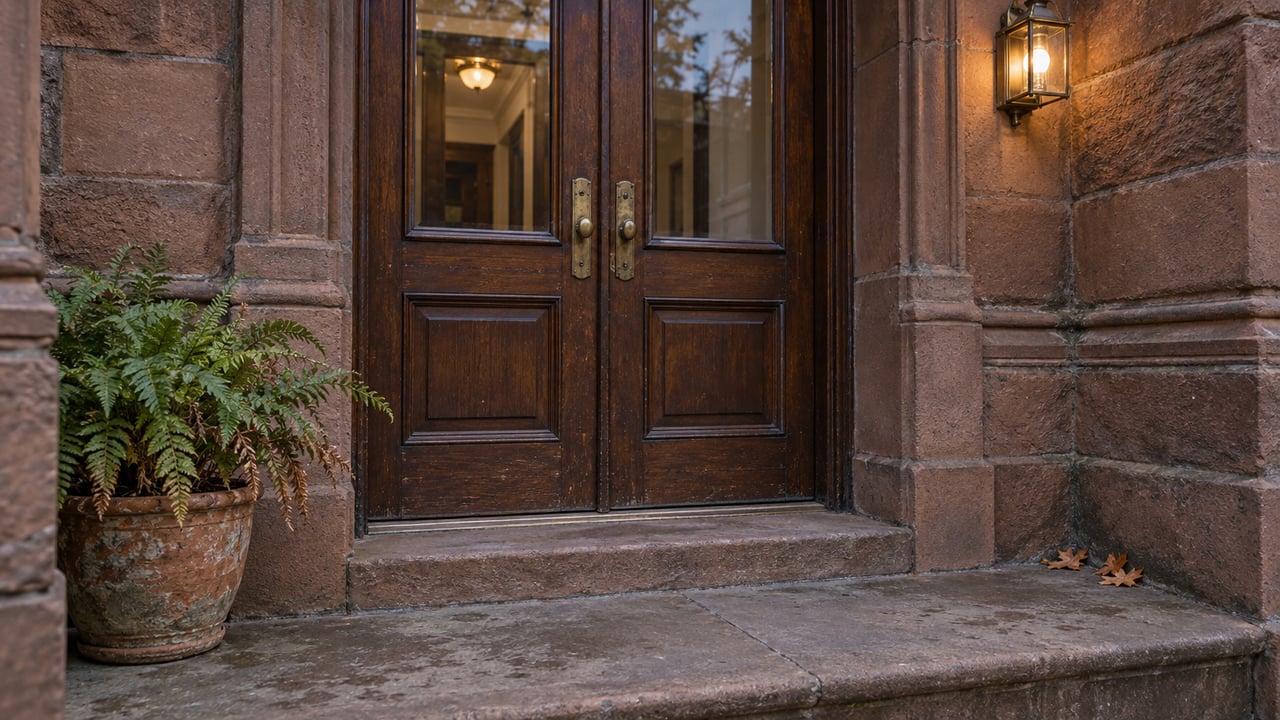
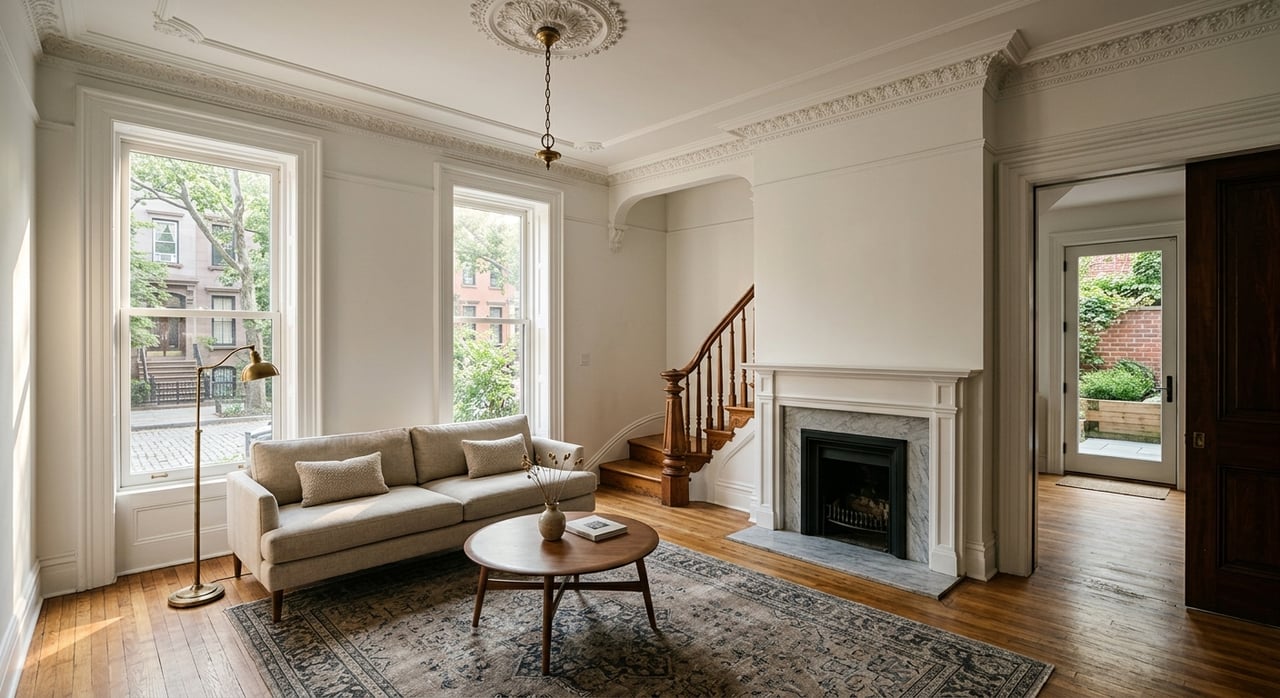
Many buyers are drawn to Harlem brownstones for the house-like feel. You may get more separation between floors, a quieter entry experience, and a stronger sense of privacy than you would in a larger residential building.
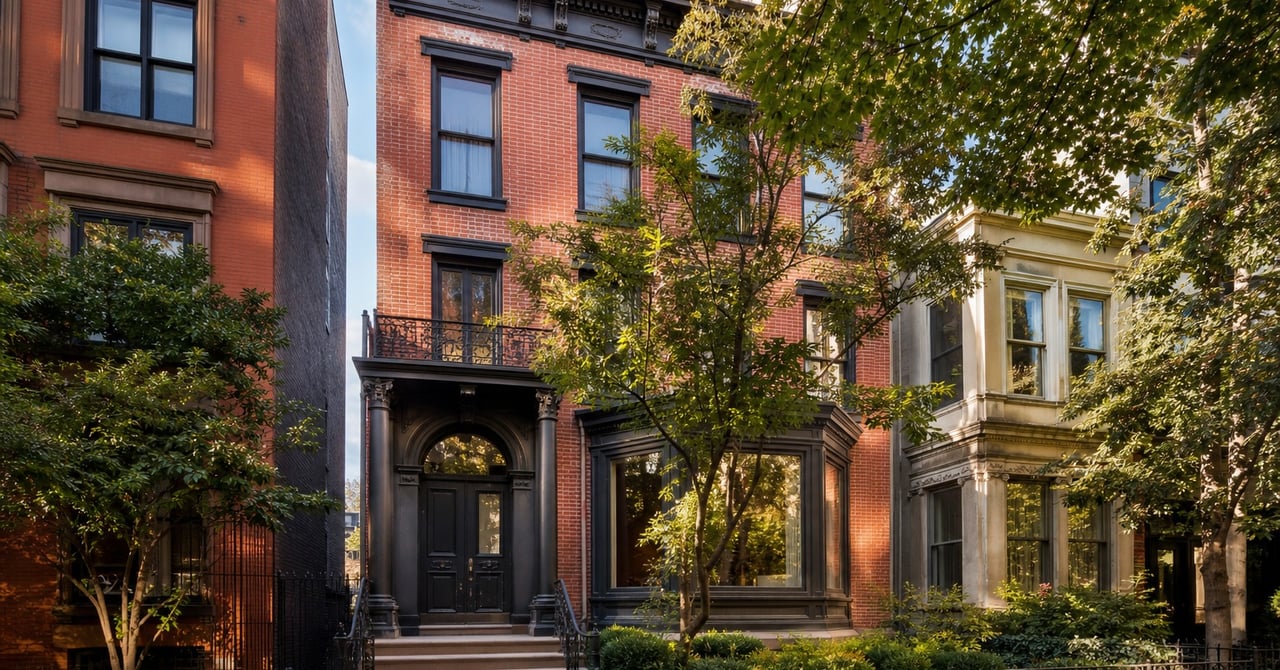
Harlem’s brownstone identity is especially visible on tree-lined side streets and historic rowhouse blocks. The Mount Morris Park Extension and the Central Harlem West 130th to 132nd Streets Historic District include rows of brick-and-brownstone houses, which help define the area’s classic streetscape.
What to think through carefully
A brownstone can offer flexibility, but it also brings more direct responsibility. Bigger-ticket issues such as facade repairs, roof work, plumbing updates, electrical upgrades, and boiler replacement can land on you as the owner.
That means your monthly cost may look simpler on paper because there is no standard condo common charge. Still, the real carrying cost can be less predictable if larger repairs come up. If you are considering a brownstone, you will want to think beyond the mortgage and taxes and plan for reserves.
Condo Ownership in Harlem
A condo works differently. You own your individual unit and share ownership of the common elements of the building. The board typically handles maintenance and repairs for those shared areas, while unit owners pay monthly common charges.
For many buyers, this structure feels more straightforward. Instead of managing every building issue yourself, you contribute to a shared system. The tradeoff is that you have less direct control over how and when some building-level decisions are made.
Why condos appeal to many buyers
Condos often fit buyers who want a more turnkey ownership experience. In Harlem, condo inventory is more visible along major corridors, including parts of the 125th Street corridor and East Harlem mixed-use areas.
Some newer condo buildings near those corridors market features such as roof decks, gyms, virtual doormen, and gardens. For buyers who value elevator access, easier guest arrival, and amenity-driven living, that can be a strong advantage.
What to watch for with condo costs
Condo ownership usually makes monthly costs more explicit. You will typically pay common charges, and in some buildings there may also be special assessments when extra funds are needed for capital work.
That can make budgeting easier month to month, but it does not eliminate building risk. It just spreads more of that risk across the ownership structure. In practical terms, condos often offer more predictable recurring costs, while brownstones may involve more cost volatility over time.
Harlem Location Can Influence the Choice
Where in Harlem you want to live may shape your decision almost as much as the property type itself. The housing stock changes from block to block, and so does the ownership experience attached to it.
If you picture a quieter side street with rows of historic homes, a brownstone may feel like the natural fit. If you want to be near a major corridor with newer development and a more modern building setup, a condo may align better with your goals.
Brownstone-heavy areas
Street patterns and historic districts help explain where the brownstone experience is strongest. In Harlem, many of the best-known brownstone blocks are on quieter, tree-lined side streets with a more house-oriented feel.
For buyers who want charm, privacy, and autonomy, these blocks often check the right boxes. The tradeoff is that they may also come with more building responsibility, especially if landmark rules affect exterior work.
Condo-heavy corridors
The 125th Street corridor is identified by the zoning resolution as Harlem’s main mixed-use corridor. East Harlem is also intended to develop as a dynamic mixed-use neighborhood with residential uses along appropriate corridors.
That planning framework helps explain why condo options and newer residential formats tend to appear more often in these areas. If your priority is convenience, building services, or a more lock-and-leave lifestyle, these micro-locations may offer more of what you want.
Compare Control vs Convenience
If you are still deciding, it helps to simplify the choice. Most Harlem brownstone-versus-condo decisions come down to how you feel about control, maintenance, and predictability.
Here is a quick way to frame it:
| If you value... | Brownstone may fit better | Condo may fit better |
|---|---|---|
| Control over the property | Yes | Less direct control |
| Predictable monthly structure | Less often | More often |
| Shared maintenance responsibility | No | Yes |
| Historic house feel | Often | Sometimes |
| Building amenities | Rarely | More often |
| Managing repairs yourself | More likely | Less likely |
This is not a hard rule, and every building is different. Still, this lens can help you narrow the field before you start touring homes.
Due Diligence Matters Either Way
No matter which direction you lean, the smartest next step is careful review before you close. For condos and townhouse-style developments, the New York Attorney General recommends reviewing the offering plan, board minutes, and financial statements.
Those documents can reveal deferred maintenance, reserve issues, or upcoming capital projects that may not be obvious during a showing. If you are considering a townhouse-style condo, it is also important to confirm whether items like sidewalks, drainage systems, roads, or retaining walls are common property or your own responsibility.
Build the right buyer team
For either purchase path, a real estate attorney and a building professional can be valuable parts of your team. The Attorney General specifically notes that buyers may wish to rely on an engineer and attorney when evaluating a condo purchase.
If the property is landmarked or sits in a historic district, check Landmarks rules early if you are thinking about exterior work. Ordinary repairs and interior work generally do not require the same review, but most exterior alterations do require prior approval.
How to Decide What Fits You
If you love the idea of a self-directed home, more privacy, and the character of Harlem’s historic blocks, a brownstone may be the better match. You just need to be honest about the maintenance and repair responsibility that comes with that freedom.
If you want clearer monthly carrying costs, shared upkeep, and a more turnkey experience, a condo may fit your lifestyle better. That can be especially appealing if you prefer a simpler ownership structure and building-level support.
The right answer is not about which property type is better. It is about which ownership model feels sustainable, comfortable, and aligned with how you want to live in Harlem.
If you want help sorting through Harlem condos, townhouse-style units, or brownstone options, working with a neighborhood-focused advisor can make the process much clearer. Heather Cooper offers a thoughtful, hands-on approach to helping Manhattan buyers weigh tradeoffs, understand the fine print, and move forward with confidence.
FAQs
What is the main difference between buying a Harlem brownstone and a Harlem condo?
- A Harlem brownstone often gives you more direct control and more direct maintenance responsibility, while a Harlem condo usually includes shared building maintenance through monthly common charges.
Do Harlem brownstones always mean full-house ownership?
- No. A brownstone exterior can represent a full townhouse, a condo conversion, or a townhouse-style condo, so you need to verify the actual ownership structure.
Are exterior changes to Harlem brownstones always allowed?
- No. If a Harlem brownstone is landmarked or located in a historic district, most exterior alterations require approval from the New York City Landmarks Preservation Commission.
Are Harlem condos easier to budget for each month?
- Often, yes. Harlem condos usually have clearer recurring common charges, although special assessments can still happen when a building needs extra funds.
Where are condos more common in Harlem?
- Condo development is more visible along major corridors, including parts of the 125th Street corridor and East Harlem mixed-use areas.
What documents should you review before buying a Harlem condo?
- You should carefully review the offering plan, board minutes, and financial statements, since they can highlight reserve issues, deferred maintenance, or upcoming capital work.