In Manhattan real estate, an accepted offer creates momentum but not certainty. Unlike many other markets, New York operates on a deal structure where legal contracts, not verbal agreements, define the transaction. In 2026, with continued variability in interest rates and selective buyer demand across neighborhoods like Tribeca, the Upper East Side, and the West Village, what happens after acceptance is where deals are either secured or lost. This phase determines pricing integrity, risk exposure, and closing success for first time buyers, luxury purchasers, investors, and sellers alike.
Local Market Context
Manhattan in 2026 continues to show segmented performance. Trophy properties in Tribeca and the West Village attract strong, often cash driven demand. The Upper East Side and Upper West Side remain steady with broader inventory, offering more negotiation flexibility. Contract timelines are tightening slightly compared to prior years due to increased buyer preparedness, but sellers still retain the ability to entertain backup offers until contracts are signed.
Inventory levels remain balanced but not excessive, which means serious buyers must act decisively post acceptance. For sellers, this period remains an opportunity to reinforce deal terms or pivot if a stronger buyer emerges before execution.
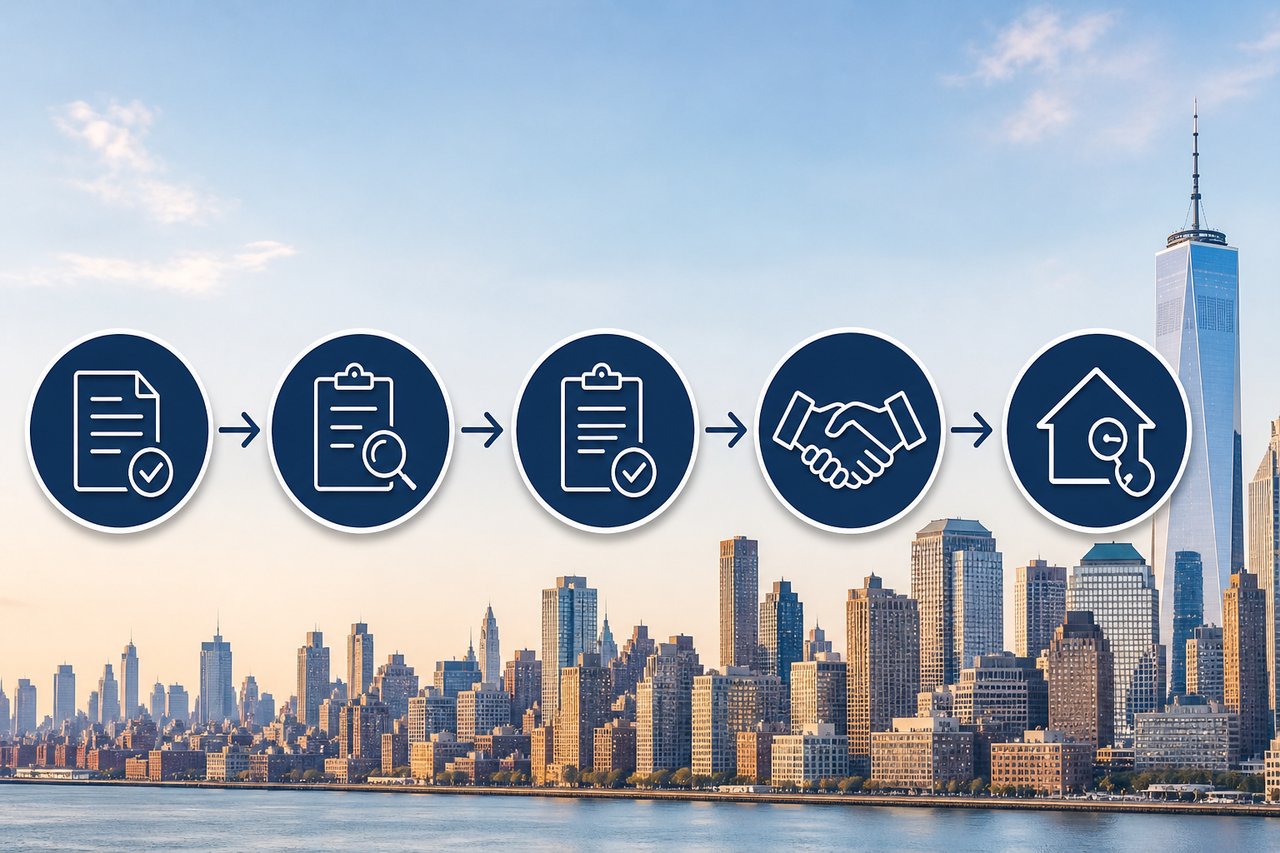
Step 1: Deal Sheet and Attorney Engagement
Once an offer is accepted, the broker prepares a deal sheet outlining agreed terms. This document is circulated to both parties’ attorneys. In Manhattan, attorneys play a central role early in the process, unlike many other markets.
Buyers should already have legal counsel selected before making an offer. Delays at this stage can signal weakness and create opportunities for competing buyers to step in. In competitive neighborhoods like the West Village, this risk is real.
Step 2: Due Diligence and Building Review
The buyer’s attorney begins reviewing the building’s financials, board minutes, and offering plan. This step is critical in co-op and condo transactions, which dominate Manhattan inventory.
What is reviewed:
-
Financial stability of the building
-
Pending litigation or capital assessments
-
Board policies that may affect ownership or resale
-
Maintenance trends and reserve funds
In buildings across the Upper East Side, thorough due diligence often reveals nuances in governance that directly impact long term value. Investors and luxury buyers in particular must evaluate these details carefully.
Step 3: Contract Negotiation and Signing
The seller’s attorney drafts the contract, which the buyer’s attorney reviews and negotiates. This is where deal terms are refined, not just confirmed.
Key negotiation points include:
-
Purchase price adjustments based on due diligence findings
-
Closing timeline flexibility
-
Contingencies such as financing or appraisal
-
Included fixtures and personal property
In Tribeca and other high demand areas, sellers often resist concessions. In contrast, buyers in more balanced submarkets may secure credits or favorable terms.
Once finalized, the buyer signs the contract and submits a deposit, typically ten percent of the purchase price.
Step 4: Fully Executed Contract
The deal becomes legally binding only after the seller countersigns the contract and the deposit is received. Until this moment, either party can walk away.
This is a critical distinction in Manhattan. Sellers may continue showing the property and even accept backup offers until execution. Buyers must move efficiently to avoid losing the deal.
Step 5: Mortgage and Board Package
For financed purchases, the buyer proceeds with mortgage underwriting. Simultaneously, co-op buyers must prepare a detailed board package.
Board package components:
-
Financial statements and tax returns
-
Employment verification
-
Personal and professional reference letters
-
Detailed asset and liability disclosures
In buildings across the Upper West Side and Park Avenue corridors, board scrutiny remains rigorous. First time buyers often underestimate this step, but it is one of the most decisive phases in co-op transactions.
Step 6: Board Interview and Approval
Co-op buyers must pass a board interview. This is less about financial qualification and more about overall profile and fit within the building community.
Luxury buildings in areas like the Upper East Side often maintain strict standards. Preparation is essential, and experienced guidance can make a measurable difference.
Step 7: Closing Preparation and Final Walkthrough
Once financing and board approval are complete, attorneys coordinate the closing. Buyers conduct a final walkthrough to confirm the property condition matches contract terms.
Sellers must ensure all agreed items remain in place and the unit is delivered as promised. Any discrepancies can delay closing or trigger financial adjustments.
Manhattan Transaction Timeline Comparison
Understanding timing expectations helps all parties plan effectively.
Typical timeline in 2026:
-
Offer accepted to contract signing: 7 to 21 days
-
Contract signing to board approval: 30 to 60 days
-
Board approval to closing: 2 to 4 weeks
Luxury condo transactions in Tribeca may move faster due to fewer board requirements, while co-op deals on the Upper East Side often take longer.
FAQ Section
Is an accepted offer binding in Manhattan?
No. An accepted offer is not legally binding until both parties sign the contract and the deposit is submitted. Until then, either side can walk away without penalty.
How long does it take to sign a contract after acceptance?
In Manhattan, it typically takes one to three weeks depending on attorney responsiveness and due diligence complexity.
Can a seller accept another offer after accepting mine?
Yes. Until the contract is fully executed, sellers can continue to show the property and accept stronger offers.
What is the biggest risk for buyers after acceptance?
Delays. Slow attorney review or hesitation can cause sellers to lose confidence or entertain other buyers.
Do all Manhattan deals require board approval?
No. Co-ops require board approval, while condos do not, though condos may still have application processes.
How much is the contract deposit?
The standard deposit is ten percent of the purchase price, submitted at contract signing.
How competitive is this stage in 2026?
It varies by neighborhood. Prime areas like the West Village remain highly competitive, while other areas offer more flexibility.
The period between offer acceptance and contract execution is where discipline matters most. Buyers must be organized, decisive, and advised by experienced professionals who understand Manhattan’s legal and transactional nuances. Sellers should use this window to reinforce deal strength without overreaching, as missteps can reset the entire process. In 2026, efficiency and preparation are the defining advantages on both sides.
An accepted offer in Manhattan is a milestone, but it is not the finish line. The real work begins immediately, with legal review, negotiation, and financial verification shaping the outcome. Whether you are buying in Tribeca, selling on the Upper East Side, or investing in the West Village, understanding this process ensures you move from agreement to closing with confidence and control.
I am Heather M Cooper with Compass, and I have spent years guiding buyers, sellers, and investors through Manhattan and Brooklyn transactions at every level of the market. I work closely with clients from offer through closing, ensuring each step is handled with precision and informed strategy. My experience across co-ops, condos, and new development allows me to anticipate issues before they arise and position my clients for successful outcomes in New York City real estate.