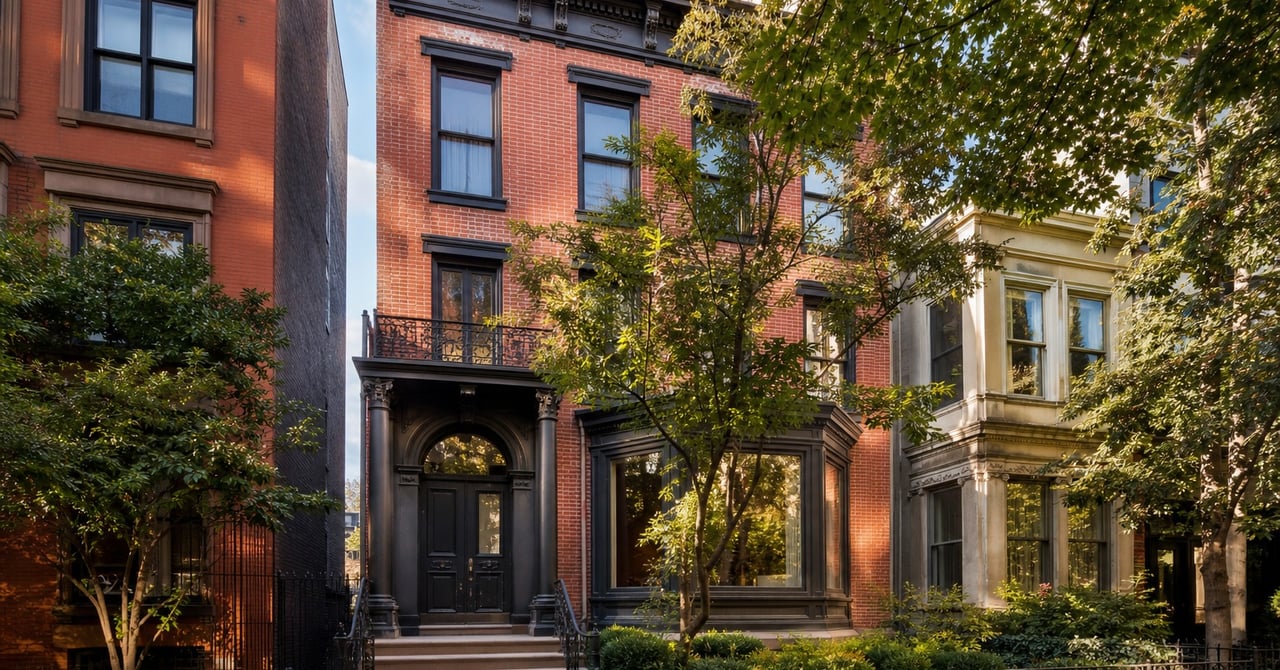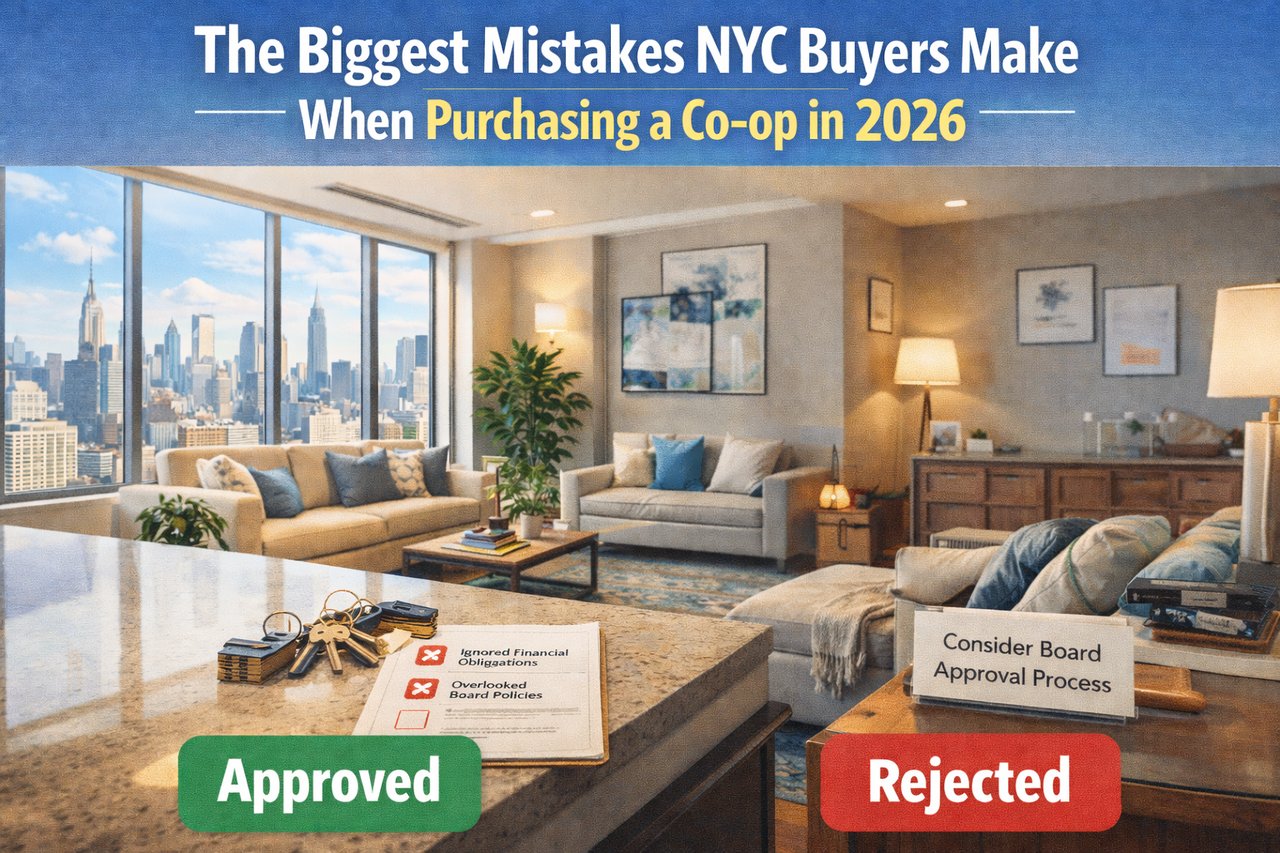
Buying a co-op in Manhattan or Brooklyn is often more affordable than a condo and common in neighborhoods like the Upper East Side, Upper West Side, Brooklyn Heights, and Park Slope. However, co-op purchases involve strict financial review and board approval, which makes the process more complex.
Common mistakes buyers make:
1. Assuming mortgage approval guarantees board approval
Co-op boards often require strong debt-to-income ratios and one to two years of post-closing liquidity. Buyers who stretch financially may not meet these requirements.
2. Ignoring the building’s financial health
Review reserve funds, building debt, maintenance history, and potential assessments. A poorly managed building can lead to rising costs.
3. Underestimating the board process
Buyers must submit a detailed financial package and attend an interview. Incomplete documents or inconsistent financial activity can delay or derail approval.
4. Assuming all co-ops allow flexibility
Many buildings restrict subletting, limit financing, prohibit LLC purchases, or do not allow investor ownership.
5. Overbidding emotionally
In competitive markets like Tribeca or Brooklyn Heights, buyers sometimes exceed comfortable financial limits, which can create issues during board review.
6. Forgetting total ownership costs
Beyond the purchase price, buyers must budget for mansion tax (when applicable), attorney fees, move-in deposits, and monthly maintenance.
Bottom line
Buying a co-op in NYC requires preparation, financial transparency, and a clear understanding of building rules. When approached strategically, co-ops can offer strong value and long-term stability.
I’m Heather M. Cooper with Compass. I help buyers throughout Manhattan and Brooklyn navigate co-op purchases, board approvals, and competitive negotiations with clarity and confidence.