Torn between a co-op and a condo in Brooklyn Heights? You are not alone. The choice shapes your budget, flexibility, and closing timeline, so it pays to get clear before you tour. In this guide, you will learn how each ownership type works in NYC, what it costs to buy and carry every month, how financing and board rules differ, and how the Brooklyn Heights market context should guide your decision. Let’s dive in.
Ownership basics in NYC
Co-ops in brief
In a co-op, you buy shares in a corporation and receive a proprietary lease to occupy your apartment. Building bylaws, the proprietary lease, and house rules govern renovations, occupancy, and subletting. Co-ops also require board approval for purchasers and often for tenants. You can read how New York State frames co-op and condo regulation in the Attorney General’s resources on real estate regulation at the state level: NYS Attorney General real estate regulation.
Condos in brief
In a condo, you receive a deed to real property and an undivided interest in common areas. There is an HOA, with a declaration and bylaws that set building rules. Condo resales and rentals typically face fewer restrictions than co-ops, which can make both financing and future resale to investors simpler.
Closing costs and taxes
NYC treats co-op and condo transfers differently for taxes and recordings. The City’s Real Property Transfer Tax rules also address certain share and entity transfers, so you and your attorney should confirm filing and payment obligations for your specific deal. Review the City’s framework in the NYC Department of Finance RPTT rules.
- Co-ops: No recorded real-property mortgage in most share-loan structures, so you typically avoid the mortgage recording tax. Expect corporate share-transfer procedures and building-level fees. Some co-ops impose a flip tax or stock transfer fee, which changes your net when you sell.
- Condos: You record a deed, pay title-related costs, and a mortgage recording tax if you finance. Condos may also have transfer or working-capital contributions at closing. Your attorney can prepare a side-by-side cost estimate so you see cash-to-close clearly.
Monthly carrying costs
Co-op maintenance
Co-op maintenance usually includes building property taxes, part of any underlying building mortgage, heat or hot water, staff, and reserves. Maintenance can look high compared to condos because taxes are bundled inside the bill rather than paid separately. Boards also expect you to show you can afford both your loan and the monthly maintenance after closing. For a helpful primer on how these costs add up, see this local overview of co-op maintenance vs common charges from Brownstoner.
Condo common charges
Condo common charges cover building operations and reserves. You pay your own property tax bill separately. That split often makes condos feel more flexible to some buyers and more transparent to investors running numbers.
Financing and underwriting
Loan types and eligibility
Condos use a standard recorded mortgage. If the project meets agency and lender standards, it is considered warrantable, which opens up broader loan options. Co-ops use a share loan secured by your shares and the proprietary lease, and underwriting weighs the health of the building as well as your profile. For lender and project standards across condos and co-ops, review Fannie Mae’s condo, co-op, and PUD eligibility overview.
What lenders review
Lenders and agencies look at project-level factors like reserve levels, owner-occupancy, litigation, commercial exposure, sponsor control, and any special assessments. Weakness in these areas can limit loan products or increase rates and down-payment needs. Confirm building eligibility with your lender early so you do not lose time after you are in contract.
Buyer takeaways
- Expect stricter down-payment and post-closing liquidity requirements in many co-ops than lenders alone require. Six months to two years of carrying costs in liquid reserves is a common co-op request.
- Condos often allow lower down payments and attract a wider lender pool, which can smooth timelines.
- In both structures, get lender pre-approval and a project check before you make an offer.
Brooklyn Heights context
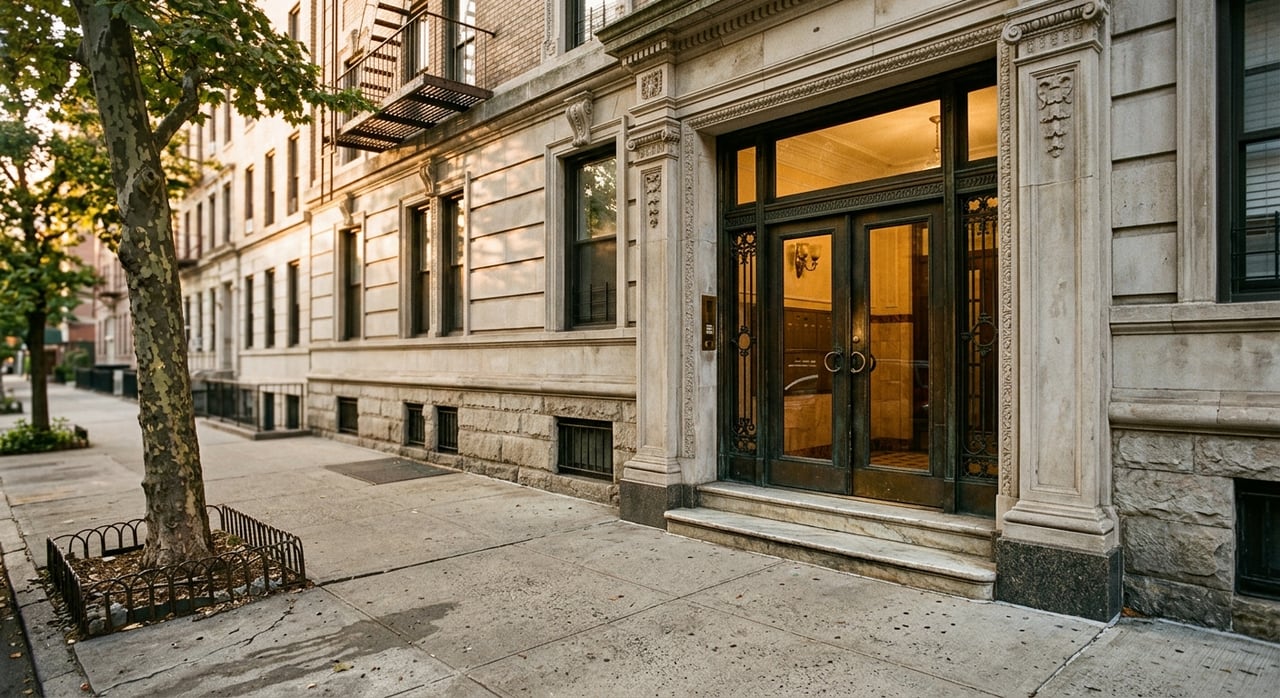
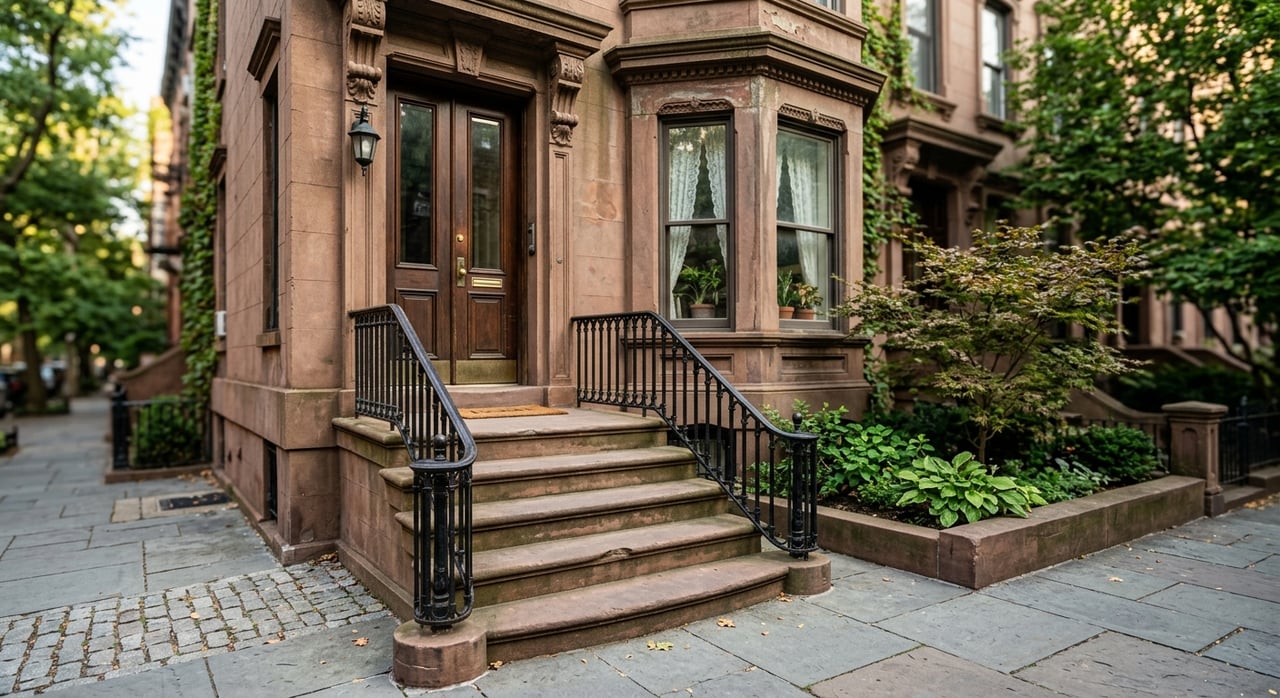
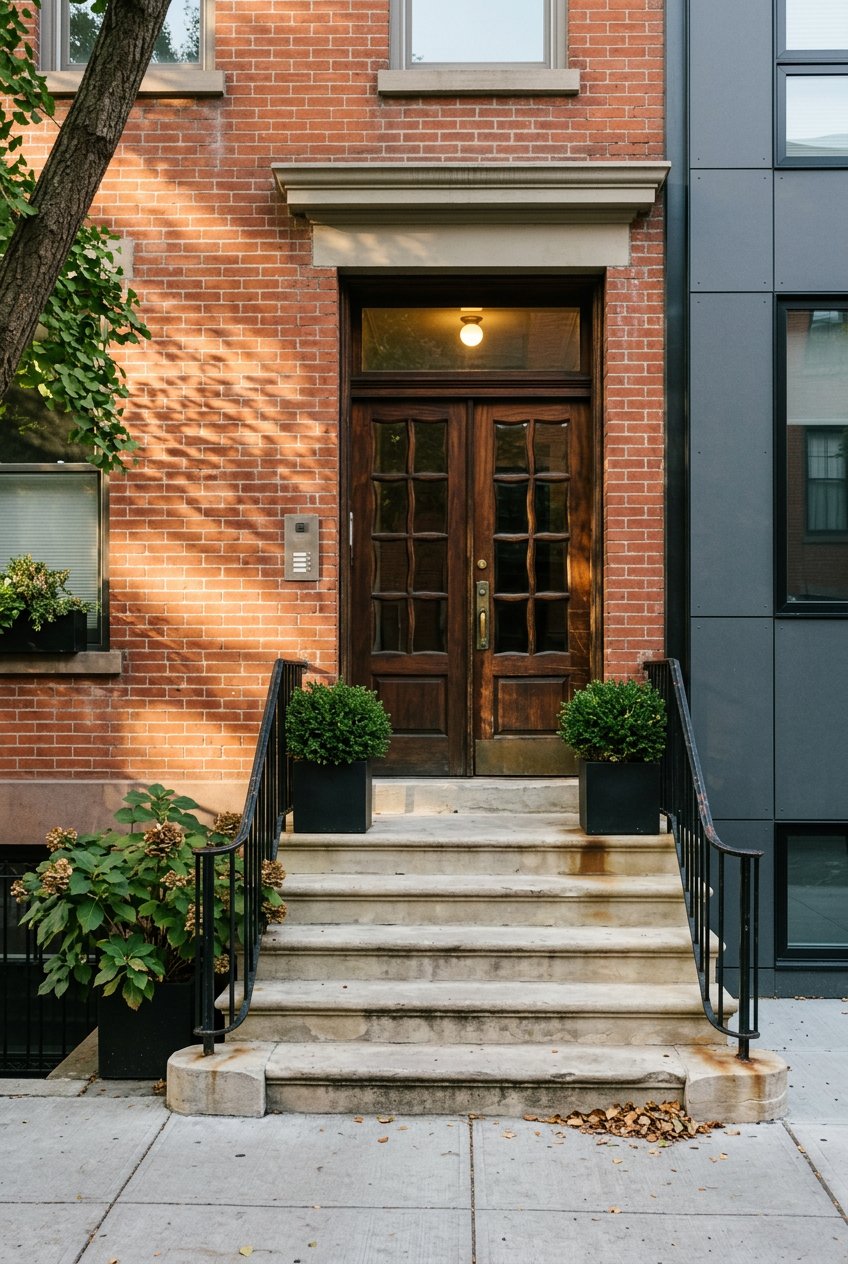
Brooklyn Heights is one of Brooklyn’s most preserved historic districts, prized for tree-lined blocks, brownstones, and landmarked streetscapes. You will see many prewar elevator buildings and brownstone conversions that operate as co-ops. Along the waterfront, you will find condo buildings with modern systems, larger-scale amenities, and strong buyer demand.
Where co-ops and condos cluster
Typical co-op inventory in the Heights includes prewar elevator buildings and brownstone conversions with maintenance that often covers heat and property taxes, plus more structured renovation and sublet rules. On the waterfront, notable condos like Pierhouse at 90 Furman and One Brooklyn Bridge Park at 360 Furman feature 24-hour staff, gyms, playrooms, storage, and outdoor spaces. For a sense of these amenity-rich waterfront options, browse CityRealty’s overview of top waterfront condo buildings near ferry routes: best waterfront condo buildings.
Pricing snapshot
Recent neighborhood snapshots show condos trading at a materially higher median than co-ops in early 2026, reflecting amenity packages and rental flexibility. For current trends in Brooklyn Heights, explore the live neighborhood page on PropertyShark’s market trends.
Landmarks and renovations
Much of the Heights sits inside a landmark district, which means exterior changes often require Landmarks Preservation Commission review. That adds time and specialized contractor needs for façade or window work, and it can affect renovation planning. Learn how local landmark review works in practice in this overview of renovating in Brooklyn Heights under landmark rules.
Rental rules and investors
NYC’s Local Law 18, plus the City’s registration and host-present requirements, sharply limits short-term whole-unit rentals under 30 days in most multiunit buildings. Longer-term rentals remain possible, but you must follow building rules. Read a clear summary of today’s short-stay policy landscape here: NYC short-term rental rules explained.
Subletting differences
- Co-ops: Many co-ops restrict or tightly limit subletting, which can reduce investor demand and reshape your holding strategy.
- Condos: Generally more rental friendly, though HOA bylaws still govern minimum lease terms and registration. Confirm rules before you write an offer.
Timeline and board review
Co-ops require a full board package with financials, references, and an interview. That review can add weeks to your closing path, depending on the building and season. For a buyer-friendly overview of what to expect, see StreetEasy’s guide to co-op board approval. Condos typically have a lighter transfer package, no personal interview, and can close faster once lender and attorney due diligence is complete.
How to choose your fit
- Choose a co-op if you want a lower entry price, historic character, and you plan to occupy the home for several years. You are comfortable with board approval, higher post-closing liquidity, and limited subletting.
- Choose a condo if you value rental flexibility, modern amenities, and a wider lender pool. You are comfortable with higher upfront closing costs and typically higher price points for comparable square footage.
Example contrast
Imagine a one-bedroom in a prewar elevator co-op on a quiet, landmarked block. You may trade some in-unit updates for location and charm, accept a board interview, and enjoy bundled utilities in maintenance. Now picture a one-bedroom at Pierhouse or One Brooklyn Bridge Park. You would likely see full-service amenities, newer systems, and more investor-friendly rules, paired with higher price points and amenity fees.
Due diligence checklist
Bring your attorney into the process early and request building documents. A helpful overview of what to gather appears in CooperatorNews’ guide to co-op and condo paperwork: what to review before you buy.
- Get 2 to 3 years of financials, the current budget, and any reserve study or engineer’s report.
- Read minutes, bylaws or proprietary lease, house rules, and any condo declaration.
- Ask for insurance certificates, management contracts, and disclosures about litigation or special assessments.
- For co-ops, add the proprietary lease, share allocation schedule, flip-tax language, and recognition agreement template.
- For condos or new development, request the offering plan, certificate of occupancy, and any tax abatement schedules.
Questions for your lender
- Is the building eligible for conventional financing, and if not, what options and rates apply?
- For co-ops, do you offer share loans, and how do recognition agreements and any underlying building mortgage affect terms?
- What are my estimated cash-to-close differences for a comparable co-op vs a condo in this area?
Questions for your attorney
- Please provide a line-item closing-cost estimate for both structures, including any flip tax, stock transfer tax, working-capital contributions, and mortgage recording tax where applicable.
- Are reserves healthy, are there special assessments pending, and is there any litigation I should consider?
- Do the building’s rules align with my intended use and timeline, including any rental plans under Local Law 18?
Next steps
Your best move is to match your budget, timeline, and use case to the right building type early, then target only listings that fit. If you want a seasoned guide through co-op board prep, building due diligence, and lender coordination in and around Brooklyn Heights, connect with Heather Cooper to schedule a complimentary market consultation. You will get a clear roadmap, vetted vendor referrals, and a strategy tailored to your goals.
FAQs
What is the key difference between a Brooklyn Heights co-op and condo?
- In a co-op you buy shares and a proprietary lease, while in a condo you receive a deed to the unit and own real property with an interest in common areas.
How do NYC closing costs differ for co-ops vs condos?
- Co-ops typically avoid mortgage recording tax but can have building transfer fees, while condos involve deed recording, title costs, and mortgage recording tax when financed.
What are typical co-op board requirements in Brooklyn Heights?
- Expect a full board package with financials and references plus an interview, and be prepared to show higher post-closing liquidity than lender minimums.
Can you rent out a Brooklyn Heights condo or co-op?
- Condos are generally more rental friendly, while many co-ops restrict subletting; all buildings must also comply with NYC’s short-term rental rules.
How long does it take to close on a co-op vs a condo in Brooklyn Heights?
- Co-op board review can add several weeks after loan approval, while condo closings often move faster once lender and attorney reviews finish.
What documents should you review before buying in Brooklyn Heights?
- Ask for recent financials, budgets, minutes, governing documents, insurance, and disclosures about assessments or litigation, plus co-op or condo-specific materials.