Walk down Fifth Avenue past Madison Square Park on a Friday night in early August and you'll hear it before you see it: a saxophone line drifting out of a shop doorway on 26th Street, a trumpet answering from somewhere near the Shake Shack line. By the time you reach the park's south lawn, the sound has a stage and a crowd. This past weekend, that stage belonged to the inaugural NoMad Jazz Festival, and the way it was built tells you something about this stretch of Manhattan that the average visitor would miss entirely.
The festival wasn't a Flatiron event or a NoMad event. It was both, deliberately, and the paperwork behind it makes the point better than any marketing copy could.
A Festival With Two Names for One Place
The mainstage nights, August 7 and 8, played out in Madison Square Park. But the festival didn't start there. Festival week ran August 2 through 8, with pop-up sets scattered through restaurants, retail stores, and public spaces across both NoMad and Flatiron in the days leading up to the park shows. The event was presented by an organization called the NoMad Alliance, in partnership with the Jazz Gallery, the Madison Square Park Conservancy, and a group called the Flatiron NoMad Partnership.
Read that last name again. The business alliance responsible for commercial life on these blocks has already folded both neighborhood names into its own title. Alongside a festival spanning the area, that pairing suggests how cultural programming can cross the seam between two adjacent districts.
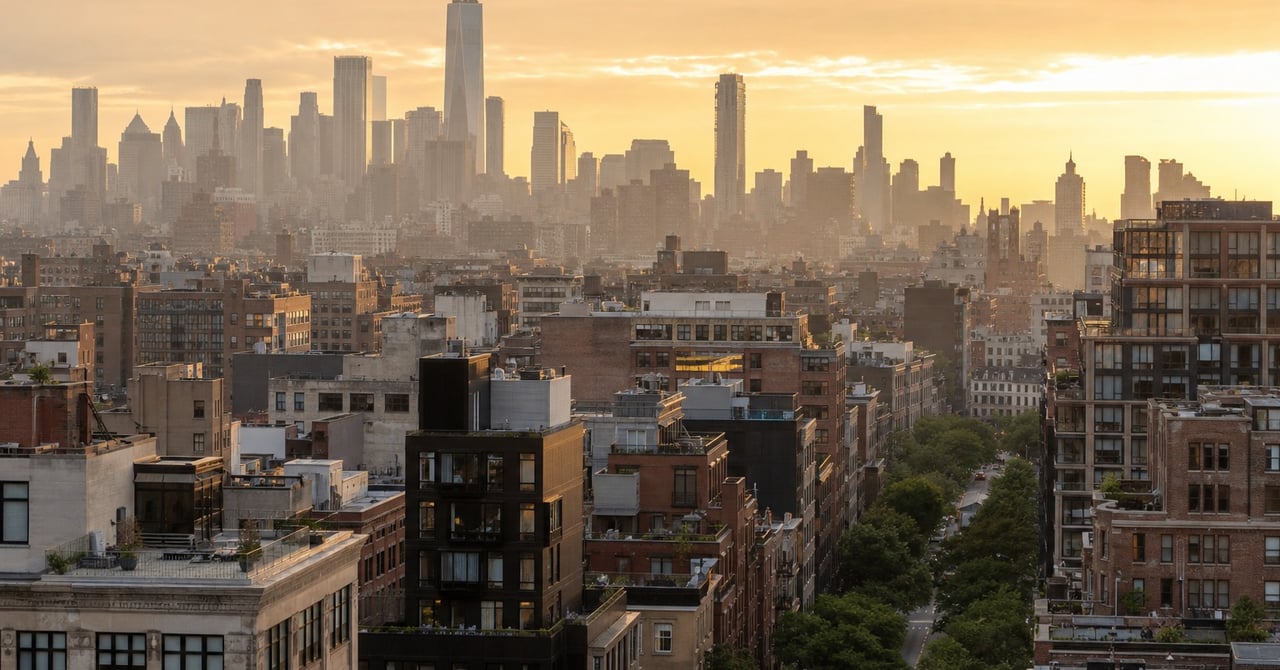
If you've lived here a while, you already sensed the blur. The Flatiron Building sits at Fifth and 23rd. NoMad, short for North of Madison Square Park, starts a few blocks north around 25th and pushes toward the high 20s. Madison Square Park itself sits at the seam, bordered by Flatiron below and NoMad above. The park has always been the connective tissue. This year, for the first time, an actual festival was built to run through the seam instead of just sitting on top of it.
Five Days of Pop-Ups Before the Park Even Opened
The structure matters more than the lineup. Instead of concentrating everything on the mainstage, organizers spent the first five days pushing performances into places people already go: coffee counters, boutiques, bars, sidewalks. That's a different kind of festival design than a single ticketed weekend. It forces foot traffic to cross streets that don't usually see cross-neighborhood pedestrian overlap, the ones separating a Flatiron regular's usual four-block radius from a NoMad regular's.
The festival's own language leans into that ambition. Its site describes the goal as bringing "more music, more moments, more jazz in NoMad," but the itinerary tells a wider story, one where Flatiron storefronts hosted just as many sets as anything technically inside NoMad's boundary lines. Whether that framing sticks for future years or gets recalibrated is worth watching, but the mechanics of this first one were built to blur the line, not respect it.
What Else Was on the Park's Calendar This Month
Madison Square Park Conservancy runs a packed summer program independent of the festival, and looking at what actually happened versus what got postponed adds a small but real data point to the same story. The Conservancy's "Gilded Age, Before, and Beyond" history walk, its recurring look back at the park's 19th-century society roots, was postponed on July 28. Meanwhile the Conservancy's contemporary programming, a horticulture-focused Garden Walk and a lunchtime tour of ceramicist Roberto Lugo's installation "Alfarero del Barrio (Village Potter)," stayed on schedule without disruption.
One postponed lecture isn't proof of a trend. But it's a small signal about where the Conservancy's operational energy is going this year: toward the same contemporary, cross-neighborhood programming that produced the jazz festival, rather than toward the old Roosevelt-and-Gilded-Age heritage story that used to be Madison Square Park's default pitch.
Here's what's still ahead if you want to catch it:
| Date | Event |
|---|---|
| August 19 | Lunchtime tour of Roberto Lugo's "Alfarero del Barrio (Village Potter)" |
| Ongoing | Planning for a year-round NoMad Jazz Festival Concert Series, announced alongside this month's inaugural run |
That last line is the one to watch. This year's festival wasn't presented as a one-off. The NoMad Alliance has already flagged a recurring concert series as a follow-up, which means the joint NoMad-Flatiron cultural calendar that debuted this month is meant to be permanent, not a summer experiment.
The Restaurant Scene Followed the Same Script
You can see the same boundary-blurring instinct play out in where new kitchens are choosing to land. Felice, the Tuscan-rooted Italian brand, opened Felice Flatiron this year, its first New York City opening in more than four years, on a prominent Flatiron corner built to feel like a flagship rather than an outpost.
Then there's Bar Pisellino. Rita Sodi and Jody Williams, the James Beard-winning duo behind Via Carota, I Sodi, Buvette, and the original Bar Pisellino in the West Village, are opening a new location at the base of the landmarked Flatiron Building. The project marks the first restaurant outside the West Village for a pair who have spent their entire careers clustered within a few downtown blocks of each other. Construction starts this summer, with an opening planned for 2027, so don't expect espresso there yet. But the decision itself is the story: two chefs who have never once expanded beyond a five-block radius picked a building that sits directly between the two names on this stretch of Fifth Avenue.
Rooftop dining tells a smaller version of the same pattern. Eataly Flatiron's seasonal rooftop restaurant, currently running as Amalfi Rooftop by Birreria, reinvents itself several times a year, cycling through greenhouse, honey, and coastal Italian concepts depending on the season. It's a small, low-stakes example of the same appetite for reinvention that's showing up at the neighborhood level: nothing here stays fixed in one identity for long, whether it's a rooftop menu or a business improvement district's name.
What This Actually Means If You Live Here
None of this changes your commute or your rent. But it does mean the invisible line you've probably drawn in your head between "Flatiron stuff" and "NoMad stuff" is less real now than it was a year ago. The festival and its partners are bringing programming to both sides of that line. If a concert series really does become an annual fixture, expect more programming that treats Fifth Avenue and Broadway between the low 20s and high 20s as one connected stretch rather than two neighborhoods that happen to touch.
Next time a co-worker from the Flatiron side of the park invites you to something they describe as a "NoMad thing," don't assume it's a trek. It might be closer than you think, and increasingly, it might be the same event either way.
If you're the kind of Flatiron or NoMad resident who pays attention to details like this, chances are you also notice when something shifts on your own block, whether that's a new restaurant lease or a listing you've been quietly watching. Heather Cooper tracks this neighborhood closely for exactly that reason. If you're ever curious what any of it means for your building specifically, a complimentary market consultation is one message away.